I spent a short time in Slovenia—barely more than 48 hours—so here are my brief thoughts.
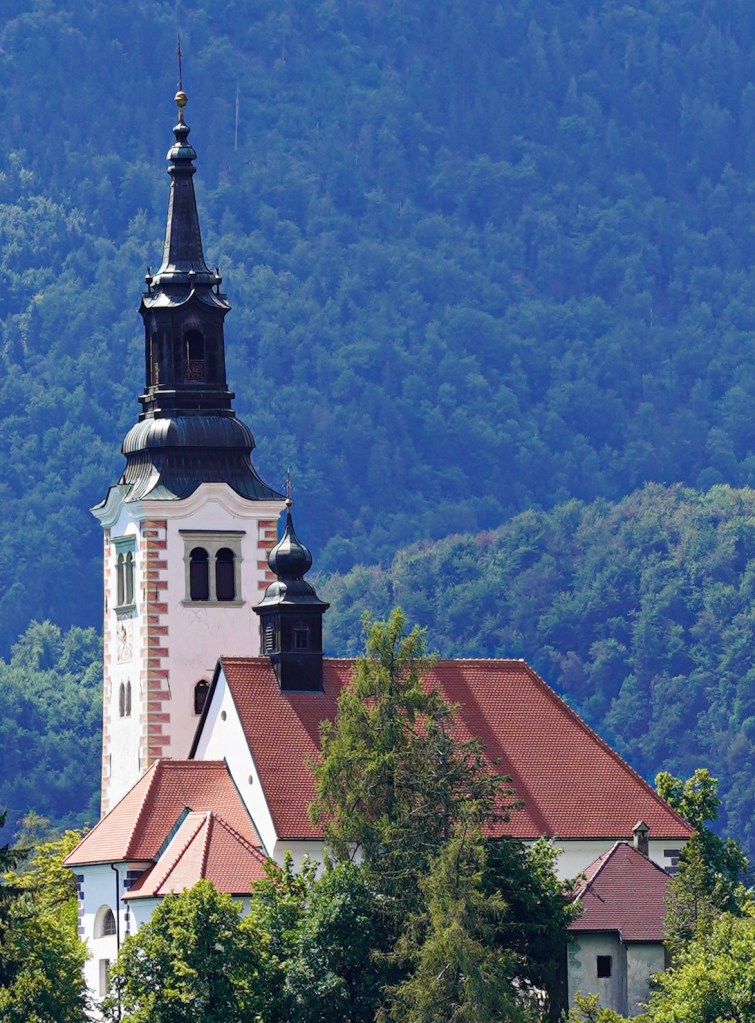
Slovenia, a Slavic nation sandwiched between Italy, Austria, Hungary, and Croatia, became a country in 1991. But its independence from Yugoslavia had been in the works for years before that. In the summer of 1991, it declared independence from the crumbling Serb-dominated Yugoslav state, whose military unilaterally started a war in Slovenia to keep it in the fold. Within 10 days, however, Slovenia secured enough military and political success for Yugoslavia to back down and sign accords that led to their independence. If you want to read a story of outstanding planning and strategy, read the Wikipedia story. Croatia declared independence at the same time, but Yugoslavia continued to fight a war that lasted another several years, either of its own accord or by Serb separatist proxies.
Slovenia and Croatia took different paths toward their future after independence. Slovenia desired connection and integration with Europe, not the Slavic and Balkan spheres of influence—and set itself up as a democracy that led to full integration within the EU by 2007. Croatia was led by a strongman who viewed himself as the father of the new Balkan world, and failed to pursue democratic reforms or healthy relationships with the EU. Despite once being part of the same country as Croatia, Slovenia still has border checkpoints with Croatia that it doesn’t have with its other neighbors because of its entry into the Schengen zone.
This recent history explains, in large part, why Slovenia’s apparent standard of living appears much higher than in Croatia. It’s just…nicer. It’s clean and charming in ways Croatia isn’t. Driving through the countryside, there’s more life—charming towns instead of extensive void and humble farms that I saw in the Croatian countryside while going to a national park there. There’s more going on in the cities besides tourist traps. And yet, as a tourist, you pay more reasonable prices than in Croatia; as a more mature, wealthy country, its tourism industry doesn’t have the need to rip you off the way it seems like happens in Croatia, where you pay Western European prices even for second-rate meals and hotels. Slovenia’s per capita GDP is 35% higher than that of Croatia.
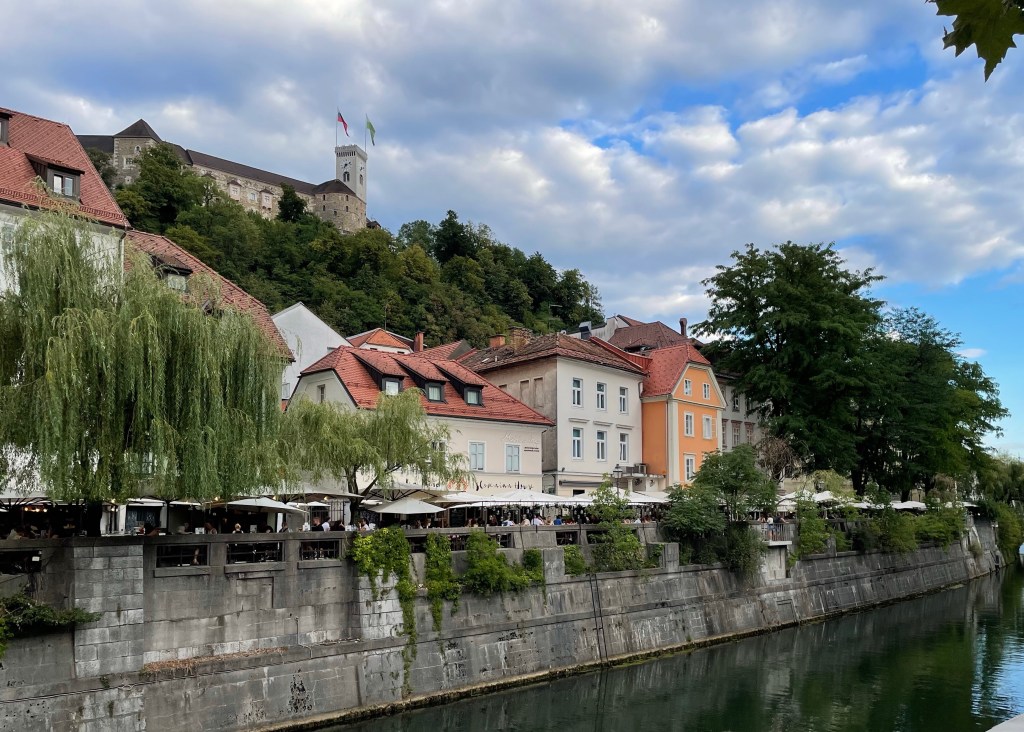
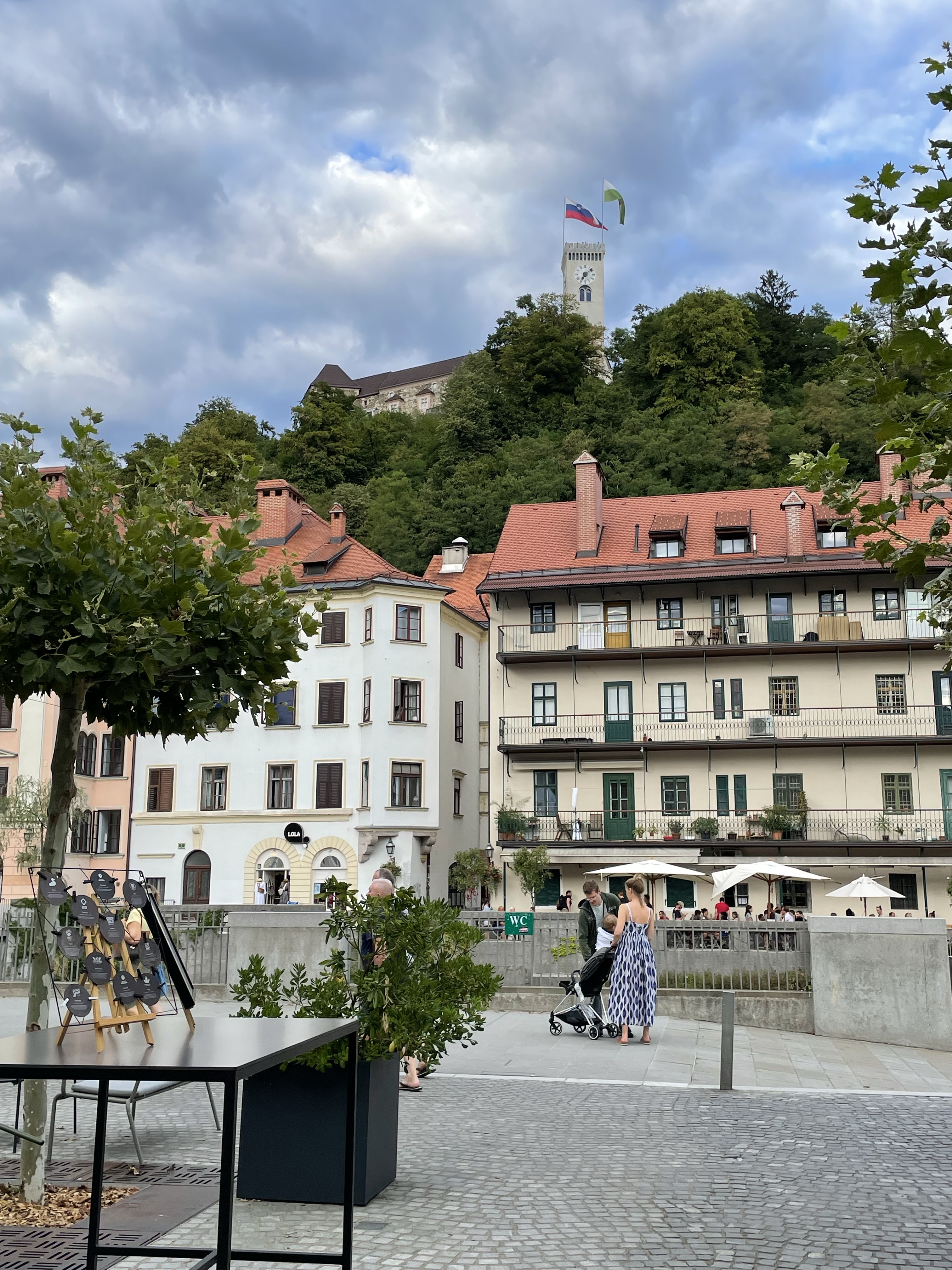
Culturally, Slovenia is part Slavic, part Germanic, and part Italian. The old town of Ljubljana is as charming as Rick Steves and my brother will tell you. My one regret is that I didn’t spend more time taking pictures there.
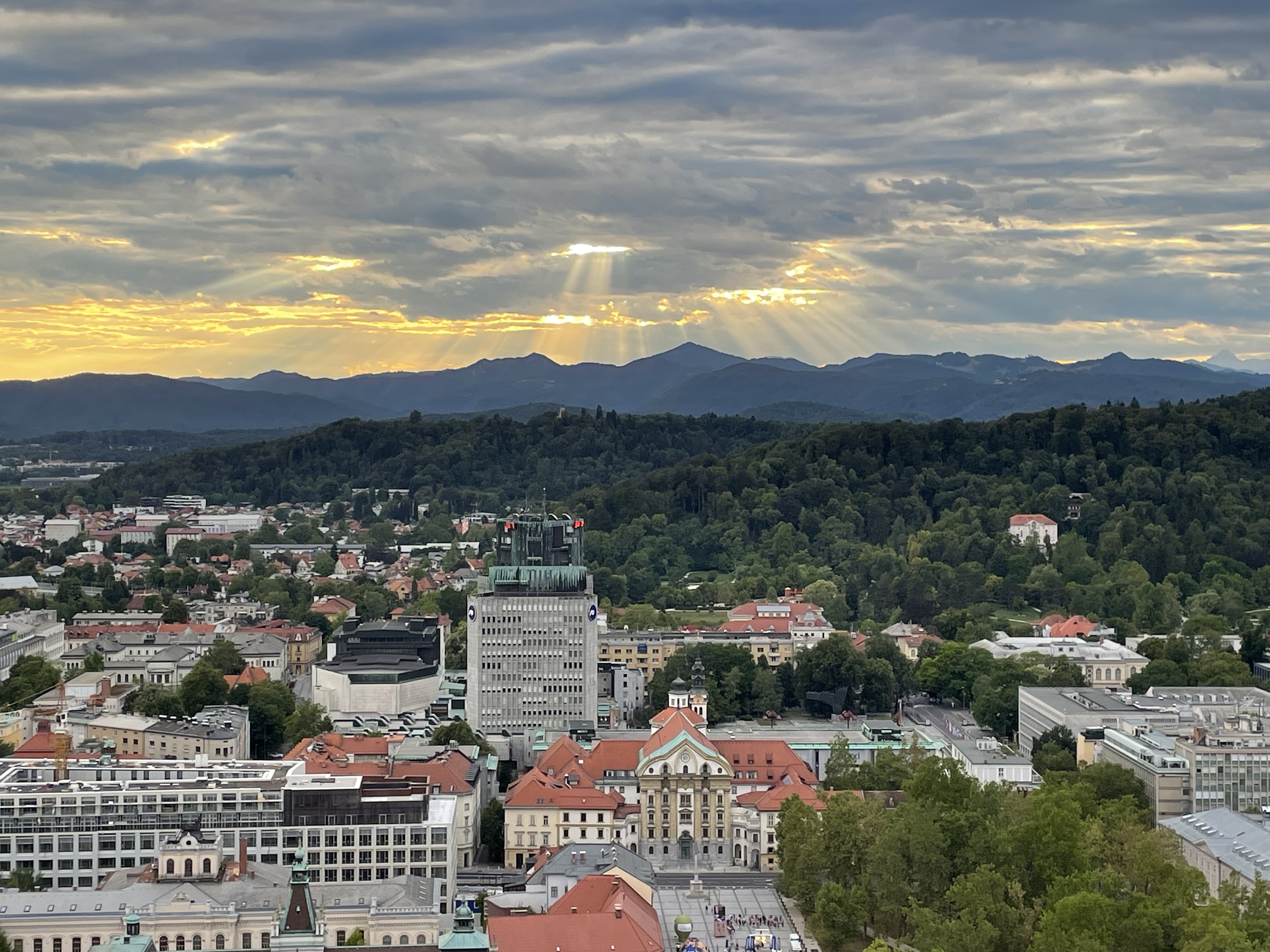

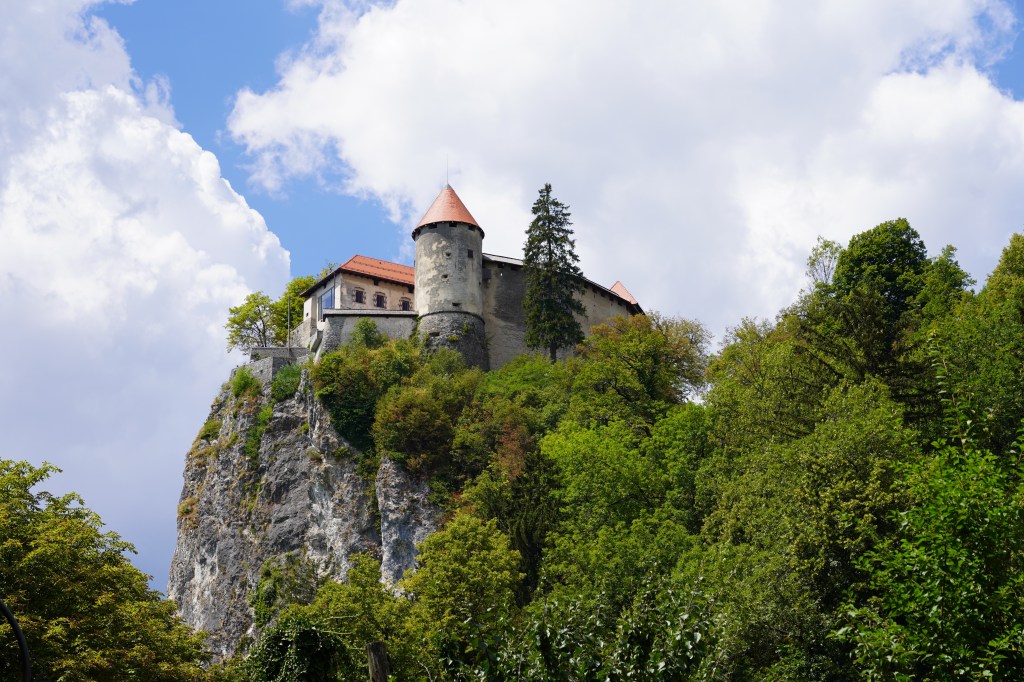
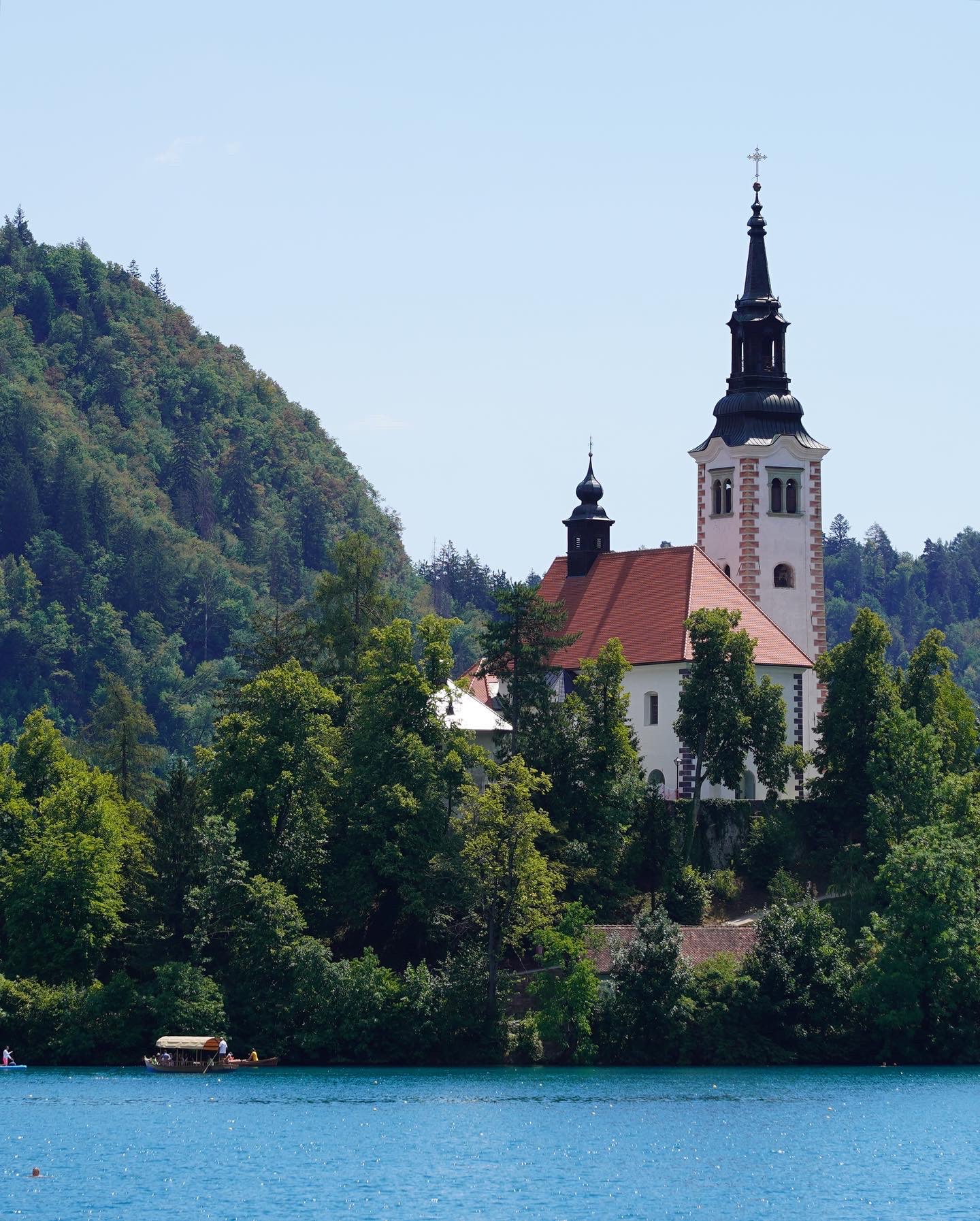
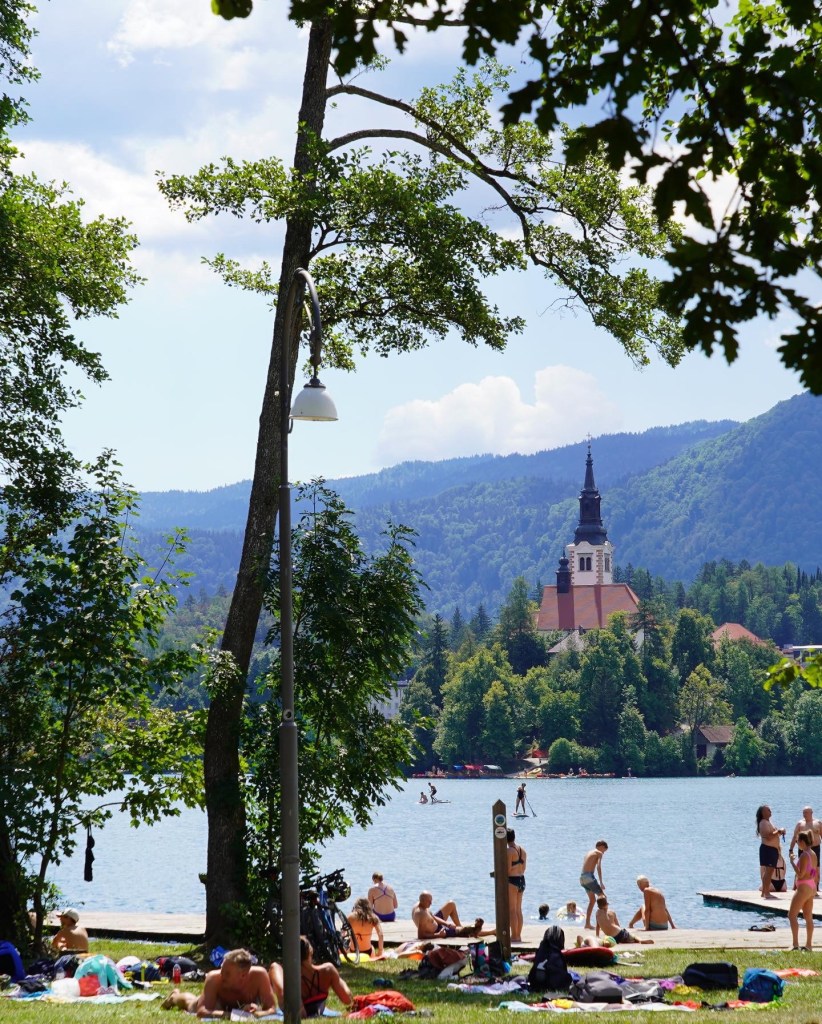
Lake Bled, with its monastery in the middle of the lake and a castle up on a hill, is gorgeous and full of tourists lazing on the shore or riding bikes or living the super relaxed, low key, rural summer you might run into on an American lakeside.

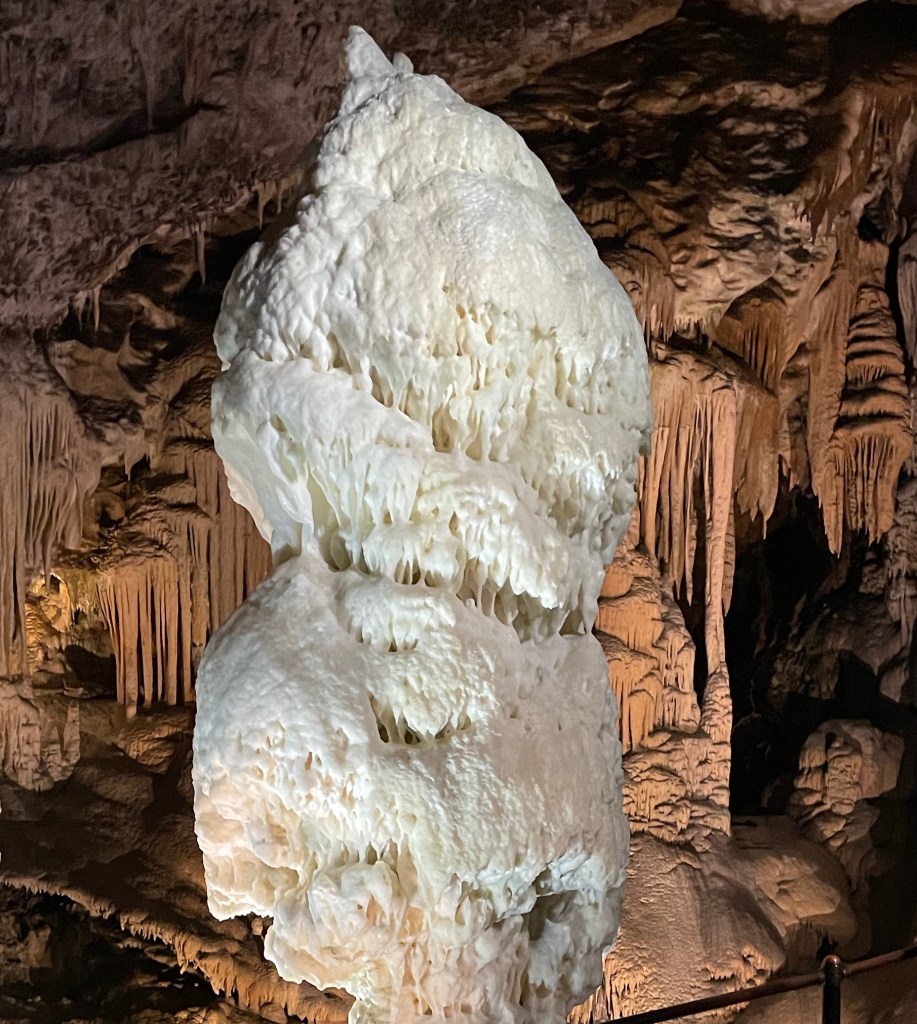
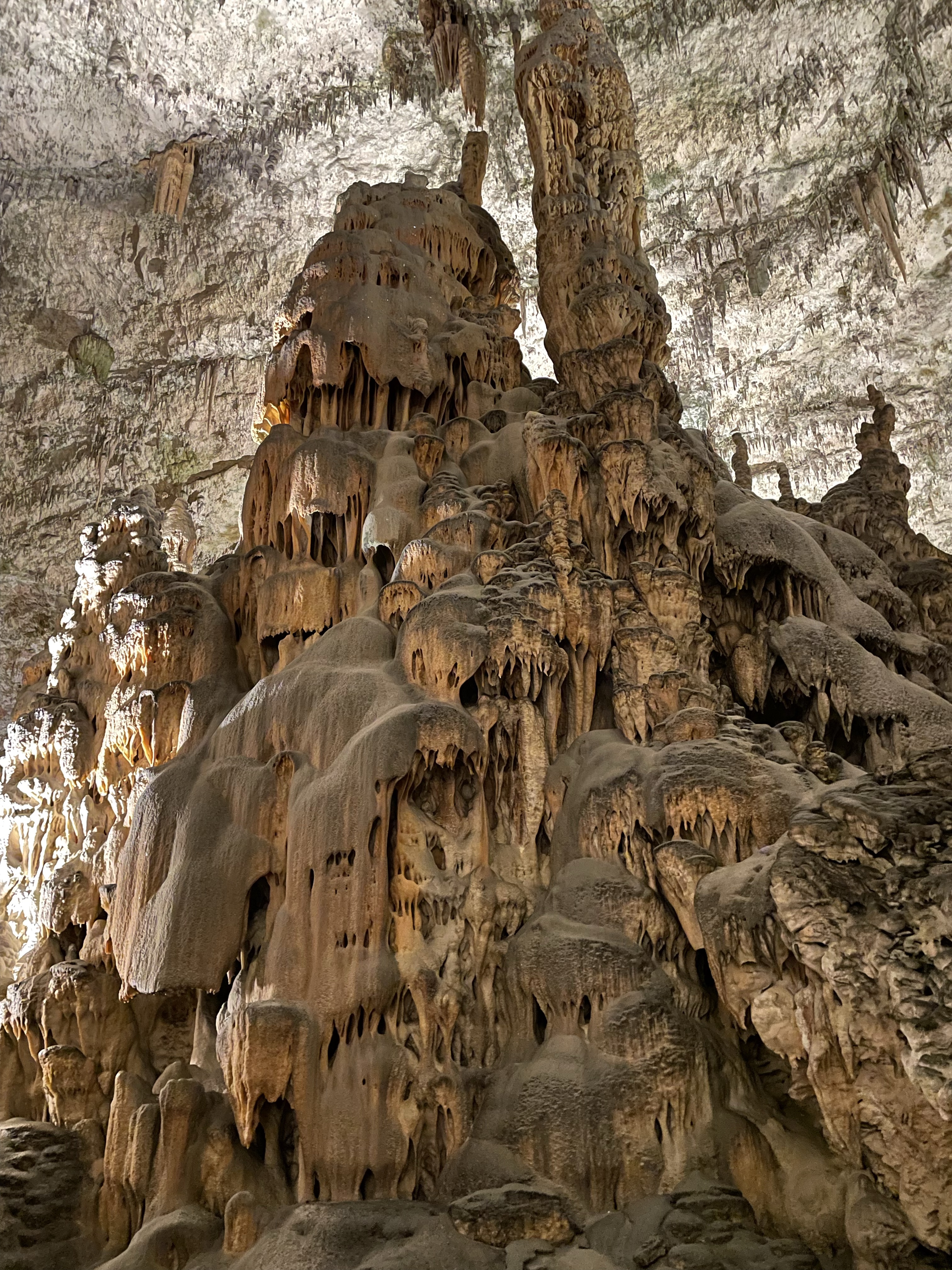
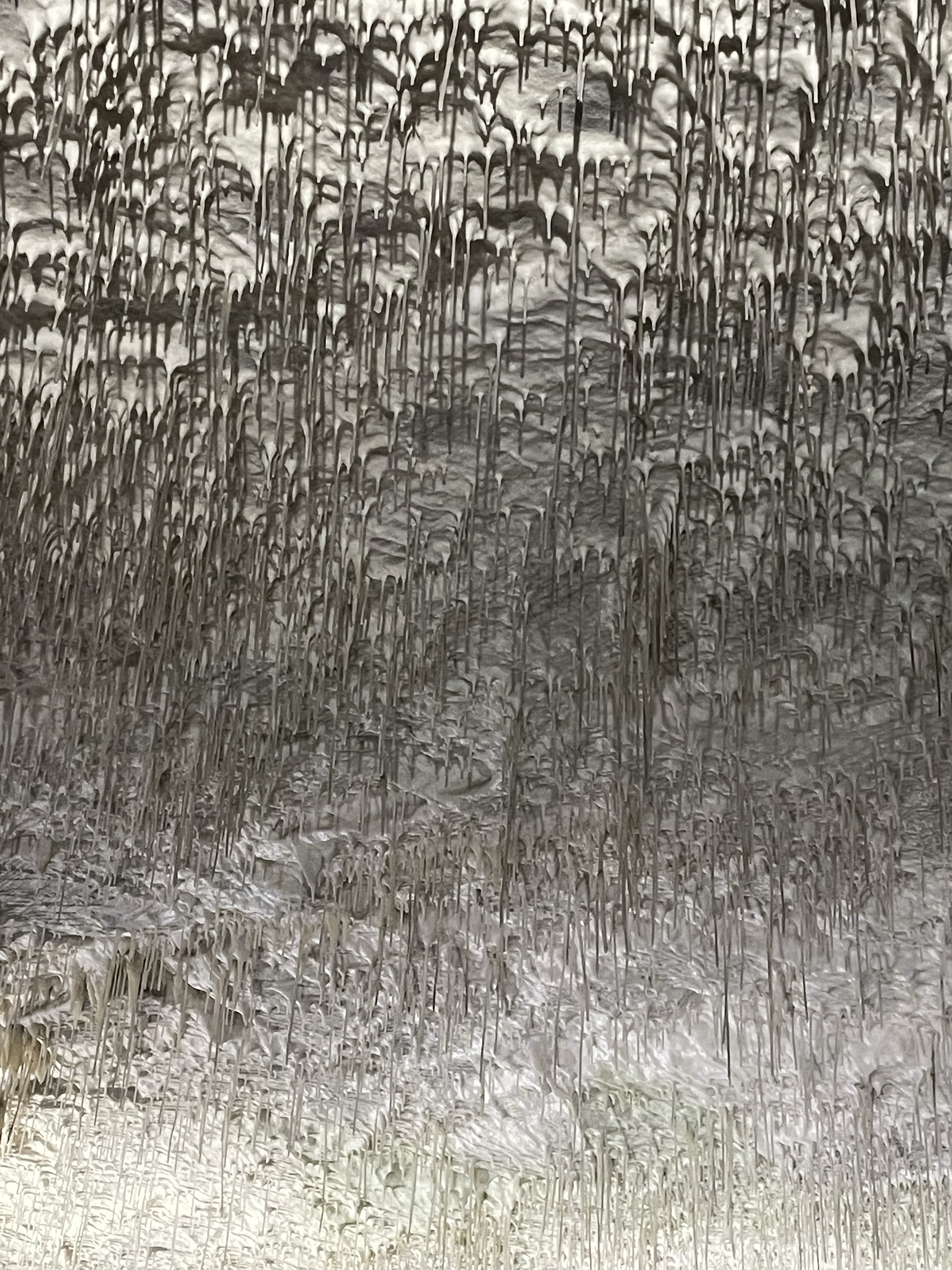
And the Postojna caves are the most stunning rock formations I’ve ever seen. The caves are giant—some chambers are over 40m (130 feet) tall. The rock formations aren’t just classic stalagmites and stalactites. They are twisted myecelial towers and mountains. They appear not like rock but like a living organism, making you hope for a future civilization whose cities grow naturally in such a way. Gaudi had nothing on these shapes. Sometimes the pillars glimmer as though studded with wet diamonds. Sometimes the limestone is free of impurities and you feel like you’re in a cavern made of white crystal.
But while Slovenia is beautiful and integrated with Europe, integration as an expat does not sound easy. I had dinner one night with a Taiwanese expat acquaintance who has been living there for 6 years with his Slovene husband. There are few expats there, he says. He joined a chorus for expats and they’ve only been able to recruit 8 people. He has been sad because of his lack of friends. Since the pandemic, flight connectivity has decreased dramatically, so getting other places is much more difficult. (That’s true from my experience—it’s why I flew in and out of Zagreb, Croatia, a 2 hour drive away.) It is, as he says, an ethnostate—a Slovene state for Slovenes.
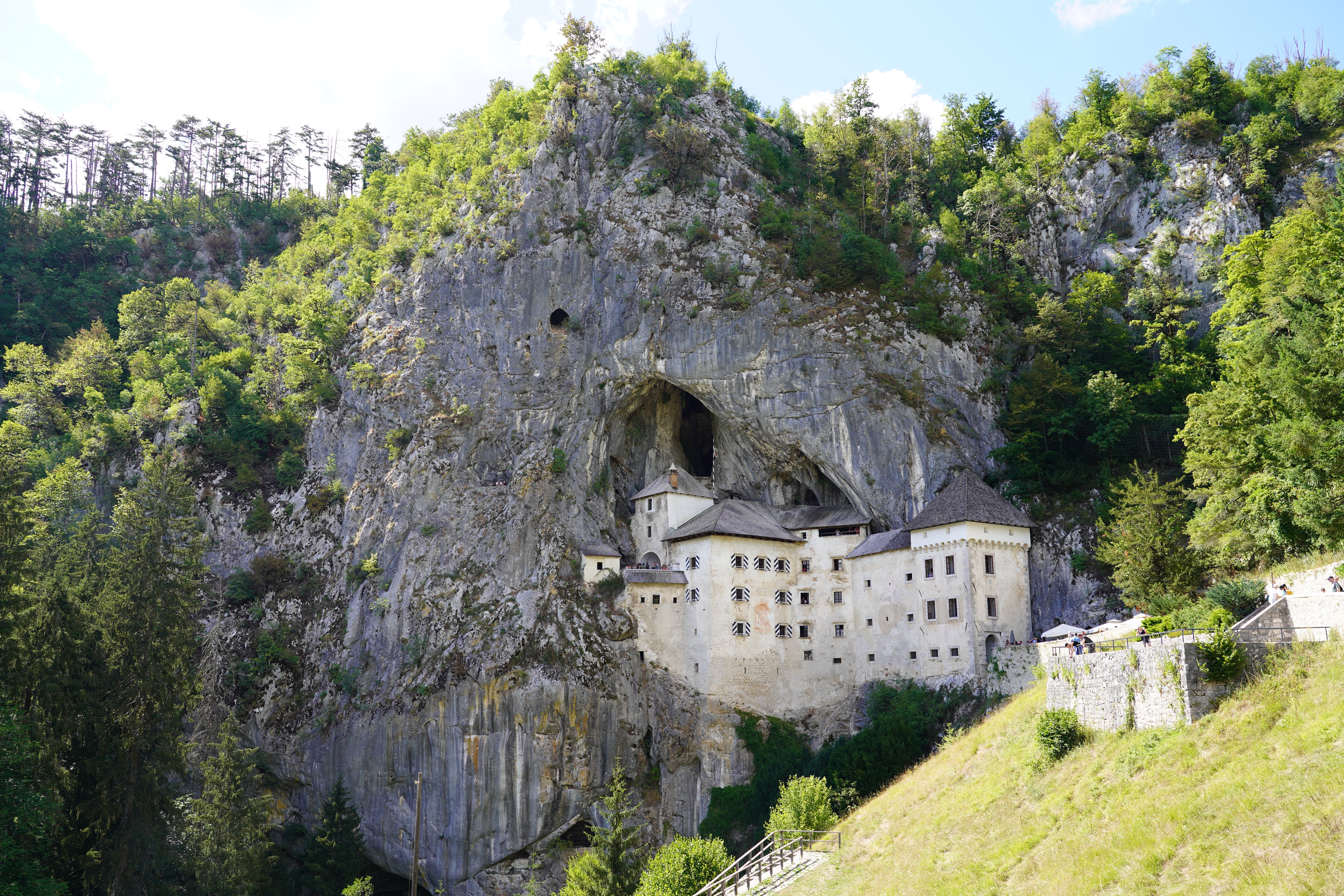

The reality may be less than ideal for expats, but it’s lovely for tourists. The Jurian Alps and its woods are gorgeous. I can see myself going back for a backpacking or ski trip someday, and I certainly recommend you go—if you can get there without too much trouble.

 Steve Simko