Finally a blog post that isn’t about me and is entirely travel advice you can use! As one of my friends that I made in Milan told me, “Florence is for Americans.” So let this American tell you the lowdown on this town, known as Firenze in Italian.
Florence’s oversimplified story
While historians debate exactly when the Renaissance began, or whether it was just a continuation and expansion of the late Middle Ages, the universal consensus is that whatever it was that began started in Florence. A confluence of factors contributed:
- the economic shift from feudalism to mercantilism, resulting in a concentration of wealth earned in the textile industry;
- the consolidation of power with the Medici family
- The patronage of the arts. In the Medici’s case, it was more than just patronage—it was a vision to create a new Athens. And that motivation was more widely shared after the Black Plague ravaged Florence in 1347, when over half the town was killed.
- The unparalleled presence of great artists over several centuries. This started before the Renaissance. Whether this was good fortune or due to the other factors mentioned is debatable, but the names of great Florentines poured forth for centuries: Dante. Giotto. Donatello. Ghiberti. Brunelleschi. Botticelli. Michelangelo.
- Far from being Donatello’s contemporary, Michelangelo actually was born over a hundred years later. Teddy Roosevelt and Barack Obama are closer in age. Donatello and Michelangelo have about the same age gap as FDR and AOC.
By contrast, Rome did not see such a flowering until the early 1500s, when Pope Julian II (“a crazy man” according to one of my tour guides who spent his papacy largely focused on Vatican military and political power) exerted similar patronage of the arts and architecture as the Medicis in Florence.
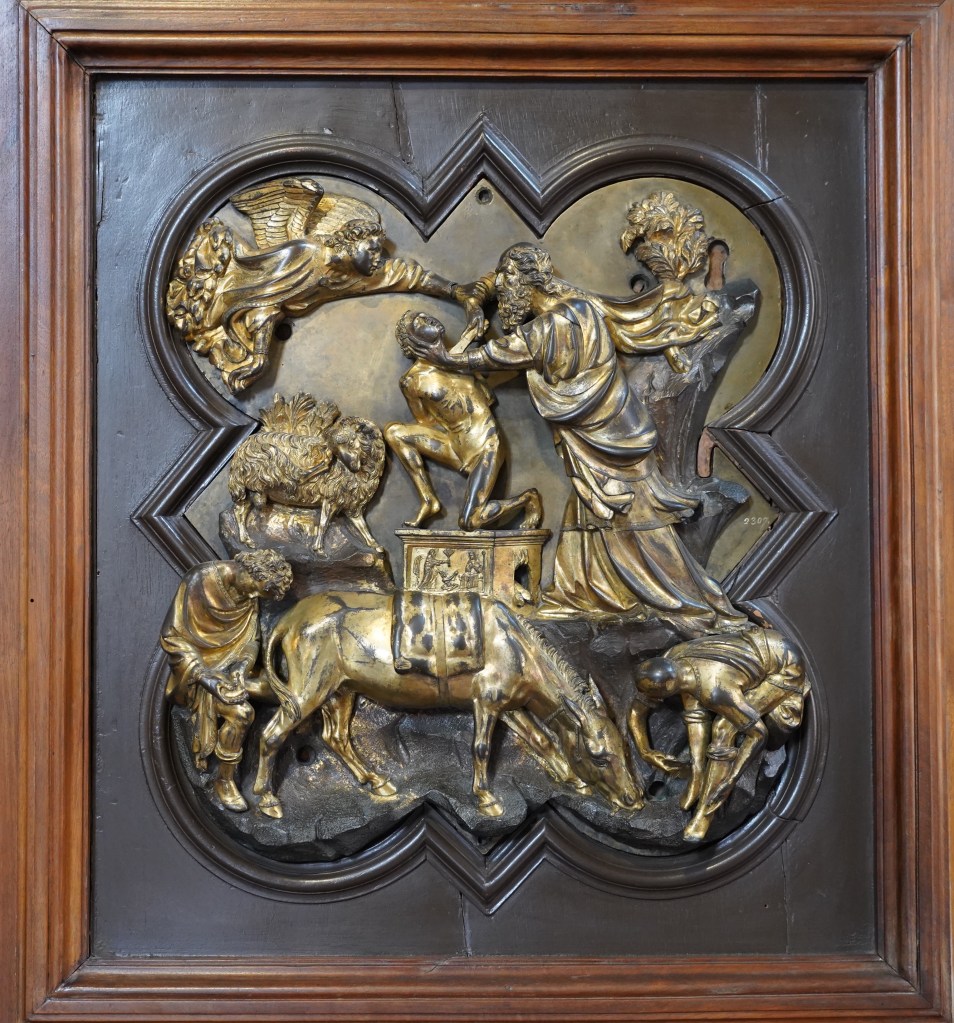
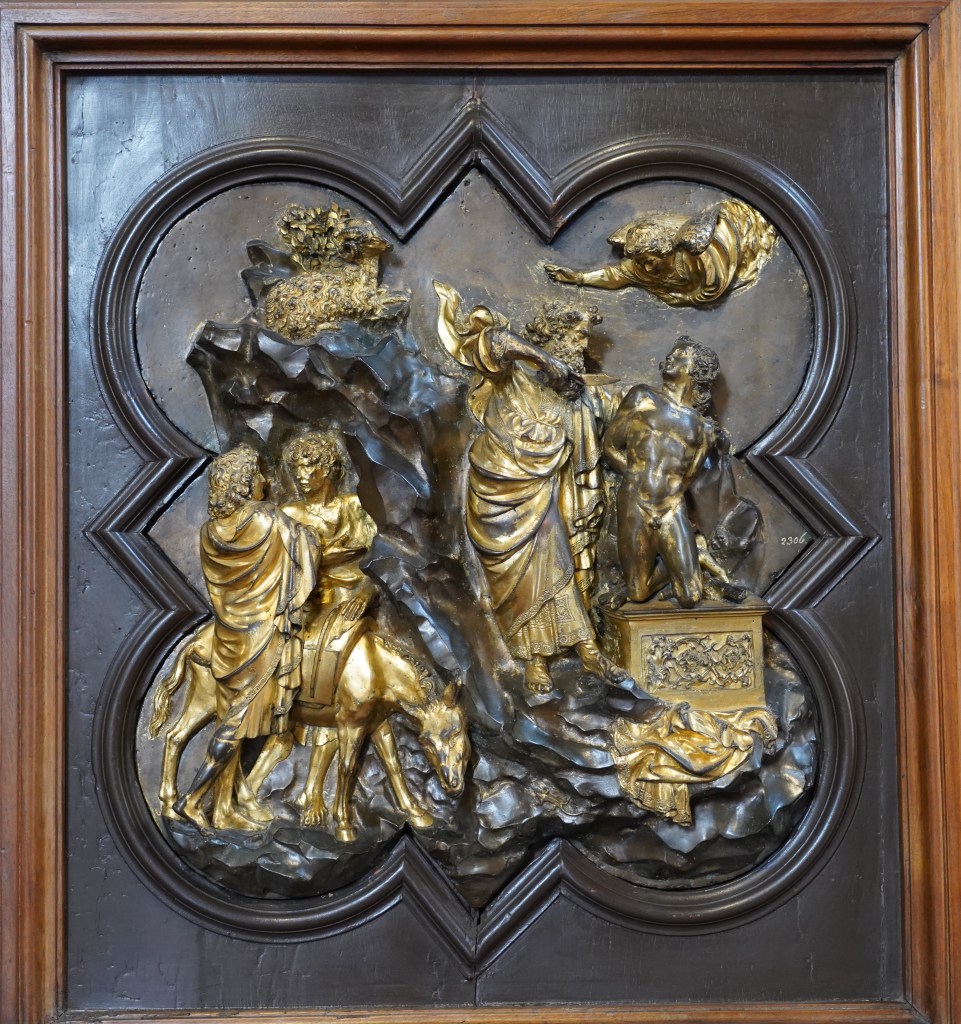
So the Renaissance means different things in different places, but in Florence it certainly was in full swing by 1401, when Ghiberti and Brunelleschi entered a competition to create the bronze doors of the Baptistry. Their entries were judged equal and they were offered the chance to co-create the doors, but the headstrong Brunelleschi backed out, not wanting to work with Ghiberti. Ghiberti created something more than a mere masterpiece, but Brunelleschi would achieve a crowning achievement even more remarkable. We’ll come back to these guys later.
Incidentally, who do you think should have won the contest between the two? We have their entries depicting the sacrifice of Isaac.
When to visit
Not August, that’s for sure. Unless you happen to be in the area, because you have to go at some point.
I miraculously avoided the 104 degree (40C) weather that they’d been having for a month prior to my arrival, so the weather was more typical—low 90s and sunny. But like most medieval towns when the sun is directly overhead, the sun bounces off the pavement and stone and burns like the sun in Super Mario 3. The sun saps of your energy so that you’re really only motivated to do two or three things in a day, not spend an entire day doing things, and drained of the desire to go out at night. I can’t imagine the horrors that would have awaited a week earlier. I shortened my Italy trip to 6 days from 12 knowing it was going to be like this and I couldn’t be happier.
What to do
See the sights. Eat. Drink wine. That’s about it. Florence is swarming with tourists wandering aimlessly. There are not many Italians here. The shopping is all over the place—you can buy watches more expensive than a Rolex on the Ponte Vecchio or you can buy a $50 leather jacket. I didn’t see much happening from a nightlife perspective other than the typical aimless tourists, street vendors, sidewalk cafes serving Aperol spritzes ad nauseam, you get the idea.
What to eat
Eh? I’m not the best person to tell you. Like with Milan, a lot of the best restaurants were closed or booked. My experience was that the food was consistently quite satisfying but not necessarily great. One local specialty that kept coming up was the Florentine steak, which is usually served in quantities > 2 pounds (1 kg) so as a solo traveler that was gastrically out of reach for me.
What to see
Let’s play a game of contrasts.
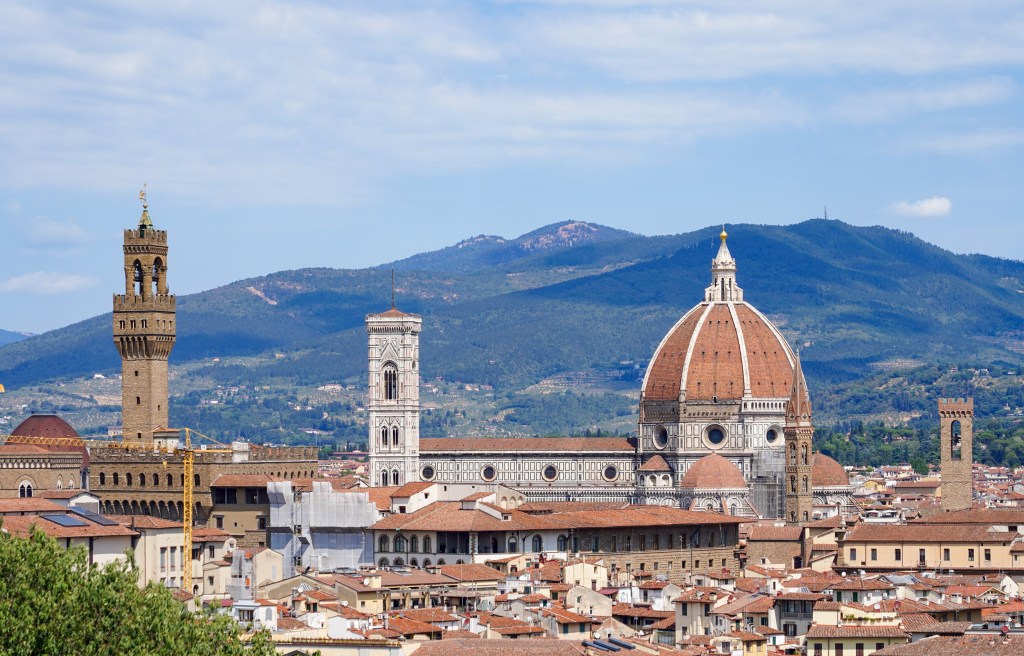
Tired: the outside of the Palazzo Vecchio. Wired: the outside of the Duomo
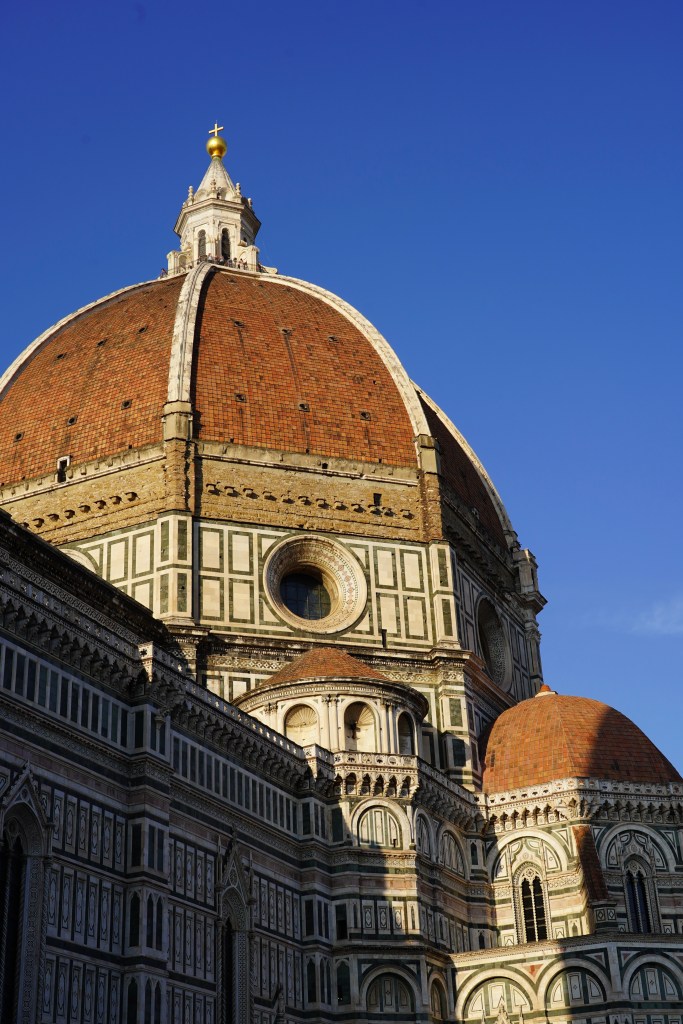
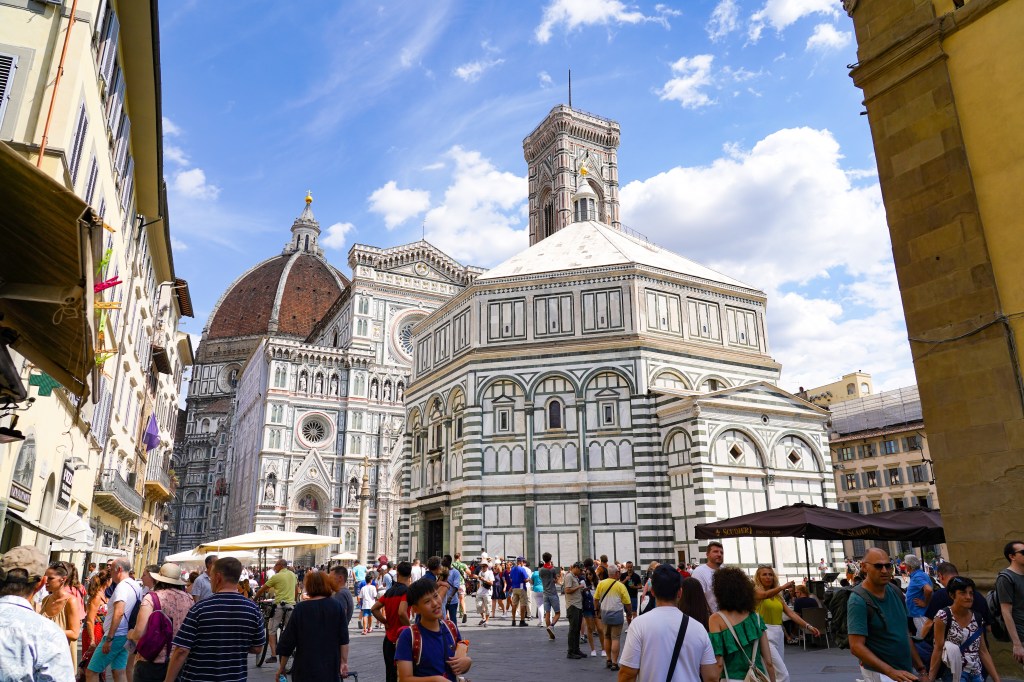
It is your obligation to see the outside of the Duomo from up close and afar. It is one of the most spectacular church exteriors on the planet.
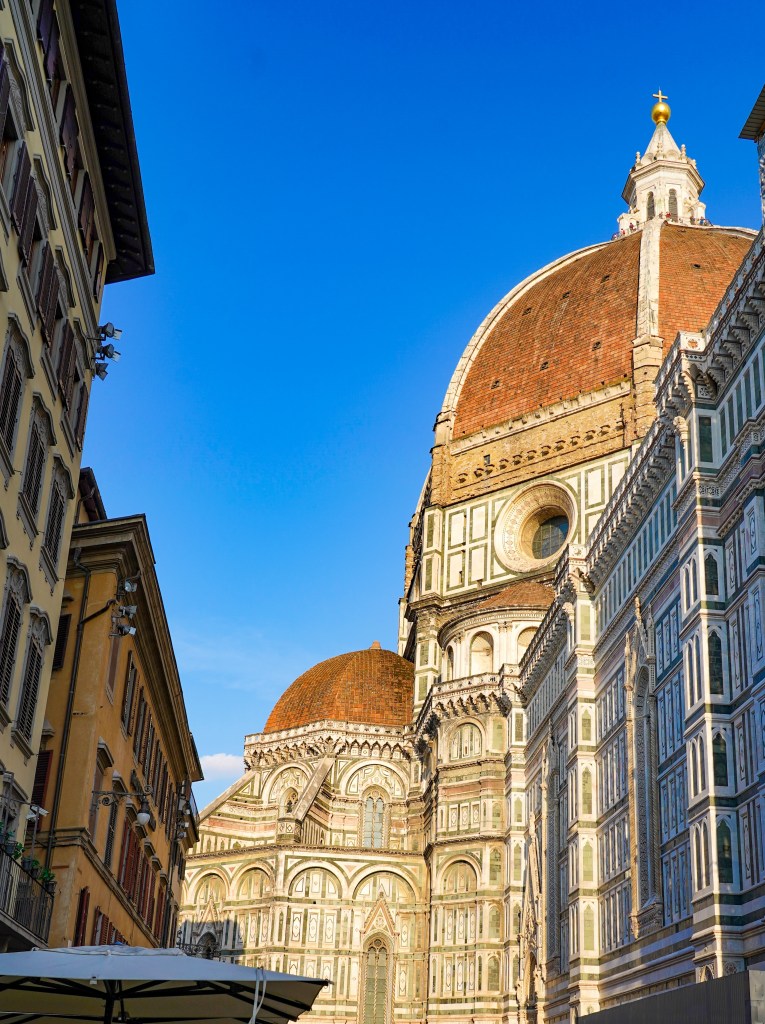
By comparison, the outside of the Palazzo Vecchio just looks like a plain brown brick tower. The tower would have been as charming as the one in Siena except that it is overwhelmed by one of the most architecturally perfect buildings ever created.
The dome is the largest brick dome in the world and was the first dome built without central supports since antiquity. To this day it remains a masterpiece of structural engineering, but its aesthetics are what you will care about, how it sits perfectly in the Tuscan landscape.
Tired: the inside of the Duomo. Wired: the inside of the Baptistry (across the plaza)
The INSIDE of the Duomo is one of the plainest, least ornate places you’ll ever see, all the more disappointing not just because of the gorgeous exterior but because you’ll have to wait at least 30 minutes to get in, because it’s free and ticketless. And the line will be blazing hot.
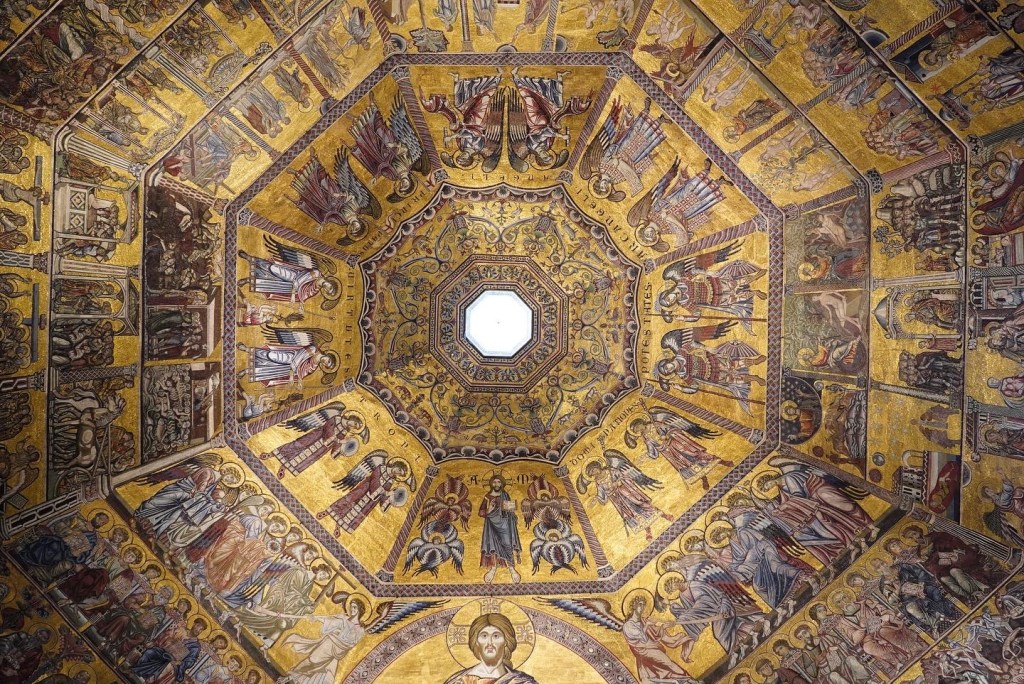
The Baptistry, however, has stunning golden mosaics covering the ceiling, some of which are downright weird and wacky.
You can get a single ticket to the Baptistry and the Duomo Museum for 15 euros and it’s so worth it. And speaking of the Duomo Museum…
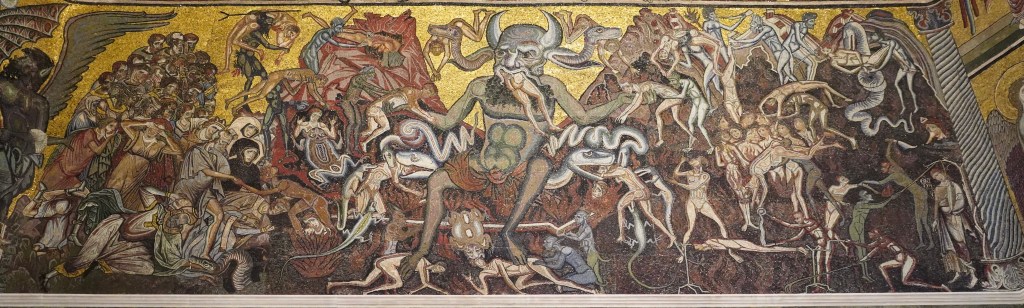
Tired: the Uffizi Museum. Wired: the Duomo Museum
The Duomo Museum has the original Ghiberti bronze doors, a Michelangelo pieta, the Baptistry’s silver altar, gorgeous vestments and religious objects, an exhibit on how the dome was constructed, all in a modern setting with clear explanations of the importance of each work.
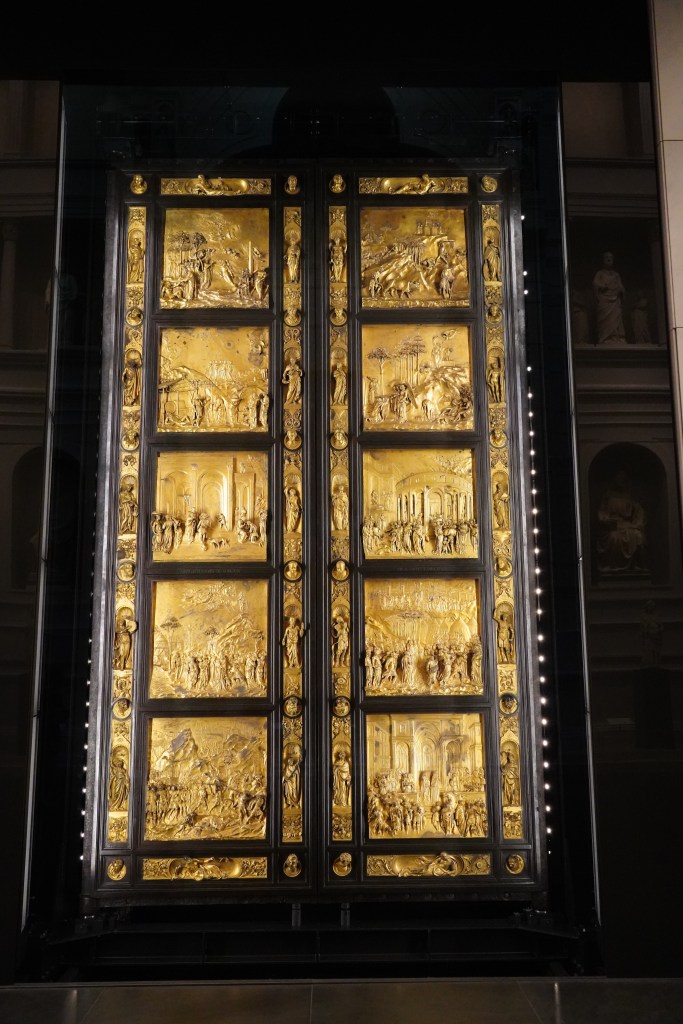
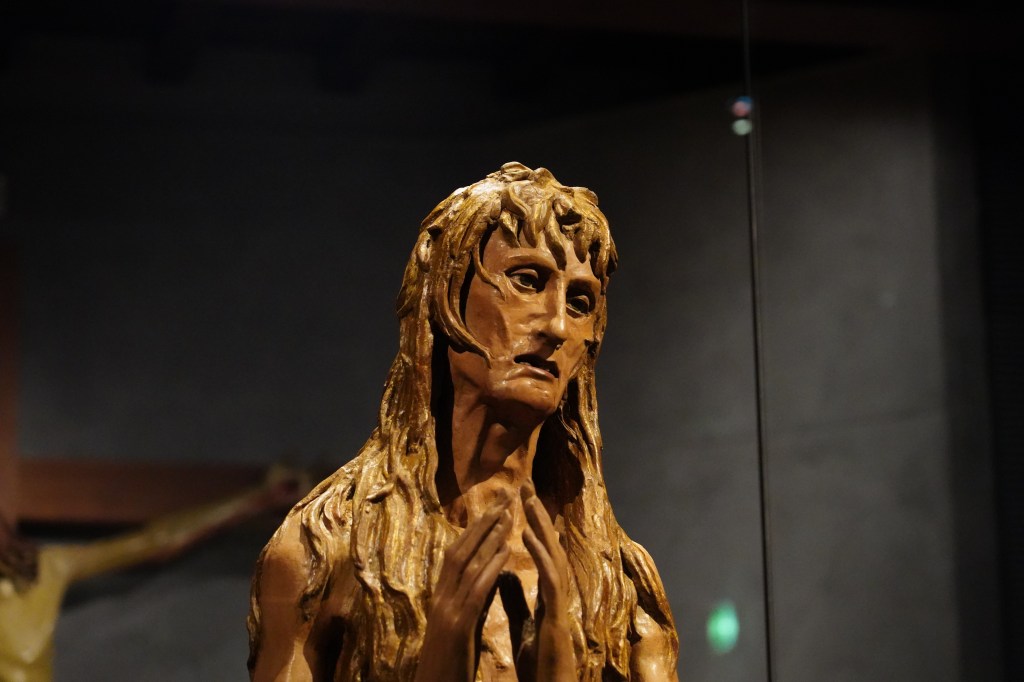
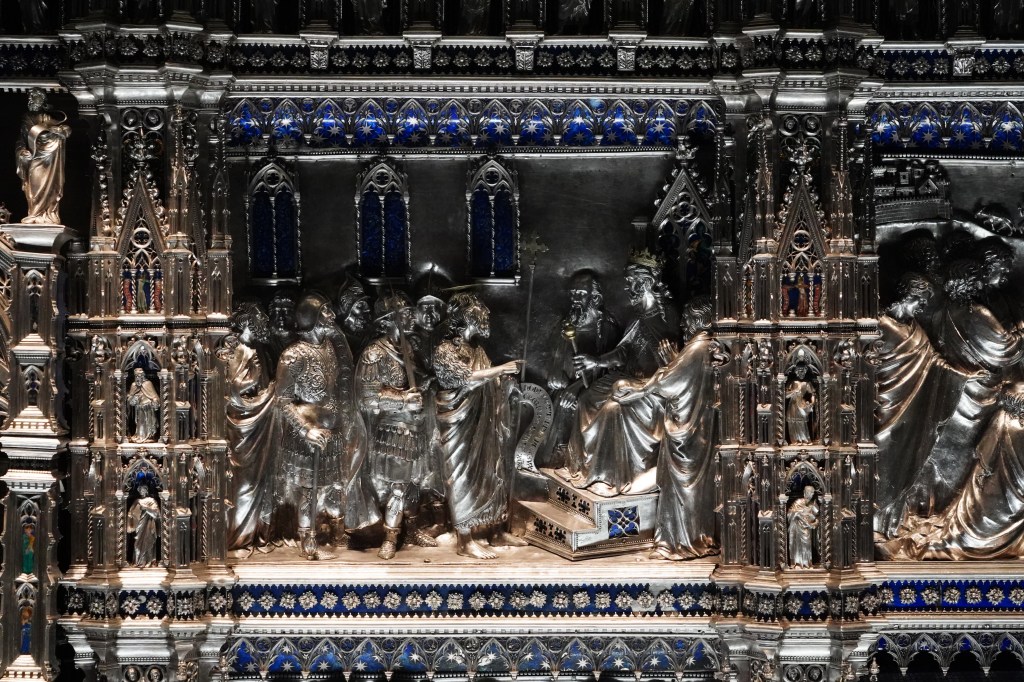
The Uffizi museum is chock full of spectacular art displayed in the most unimaginably dispiriting way.
If you’re not absolutely determined to see the Botticelli masterpieces (“The Spring” or “The Birth of Venus”), or if there’s not another specific artist or work you want to see, you can (gasp!) skip it. If you’re not into early Renaissance art, here’s my suggested slimmed down version:
- The works by Giotto
- The works by Botticelli
- Gallery 35 and adjacent for the works by Leonardo da Vinci, Michelangelo, and especially Raphael
- The sculpture Laocoon and His Sons, in the hallway outside the cafeteria
- The two Caravaggios (Medusa and Bacchus)
- The Rubens/Rembrandt room
- And that’s enough. You can do that in an hour and see what needs to be seen. Definitely don’t stand in line to see the Tribune, treasures of the Medici family that you can’t get up close to. Most of the best works are on the top floor.
Tired: Boboli Gardens. Wired: Bardini Gardens
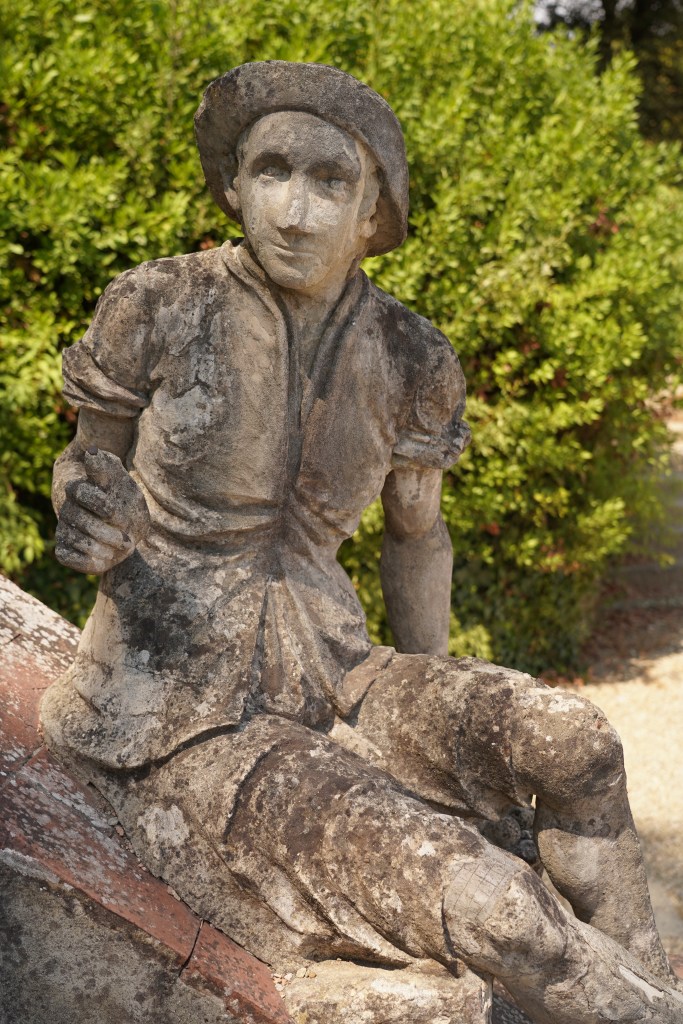
This may be a summer issue, but the Boboli Gardens are a hilly, sun-scorched, shadeless Tuscan helscape. They’re famous because they’re big. But on a 90 degree day even in the morning, it’s just not approachable. The Bardini Gardens next door are shadier, cooler, more charming, more walkable, and give you the relaxed sensation the Boboli was intended to give. Sometimes smaller is better.
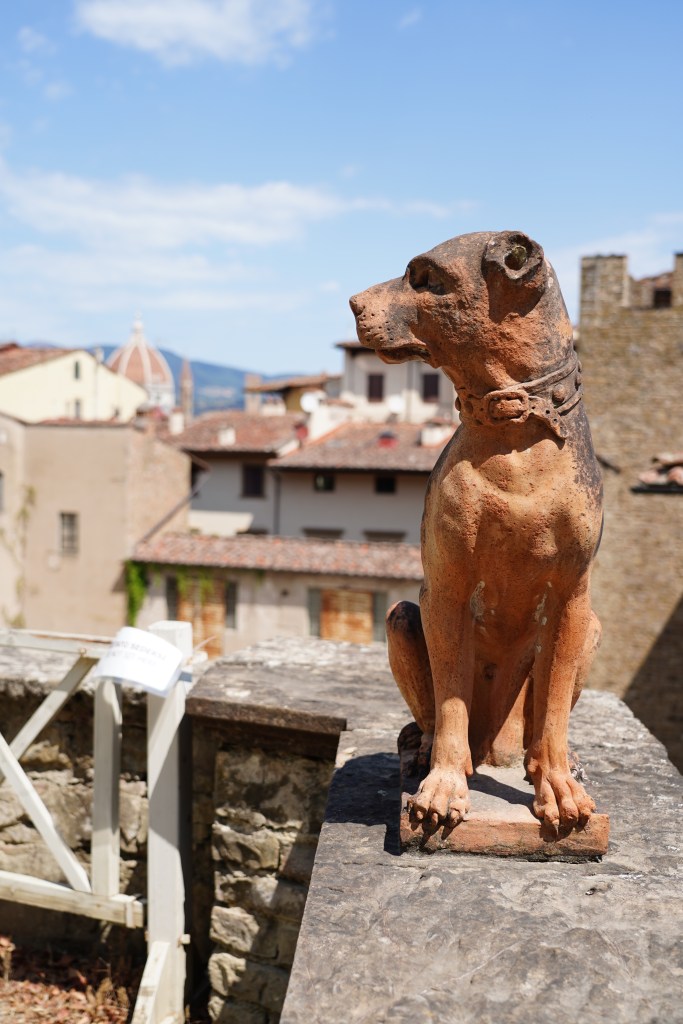
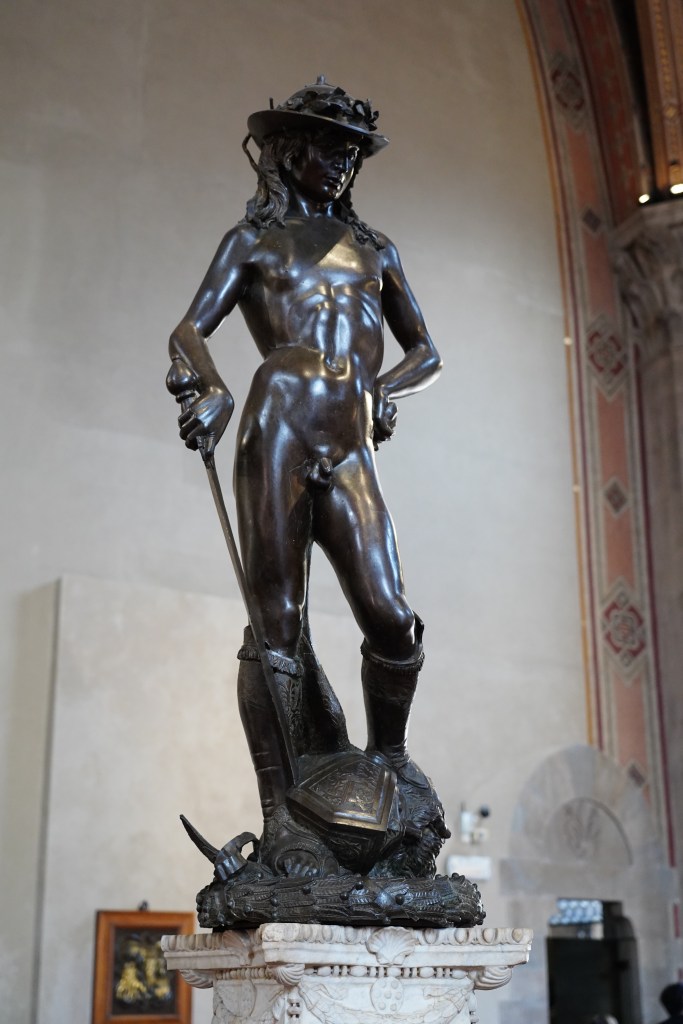
Tired: just about every statue in this city. Wired: Michelangelo’s David at the Galleria Accademia. And Donatello’s David at the Bargello Museum.
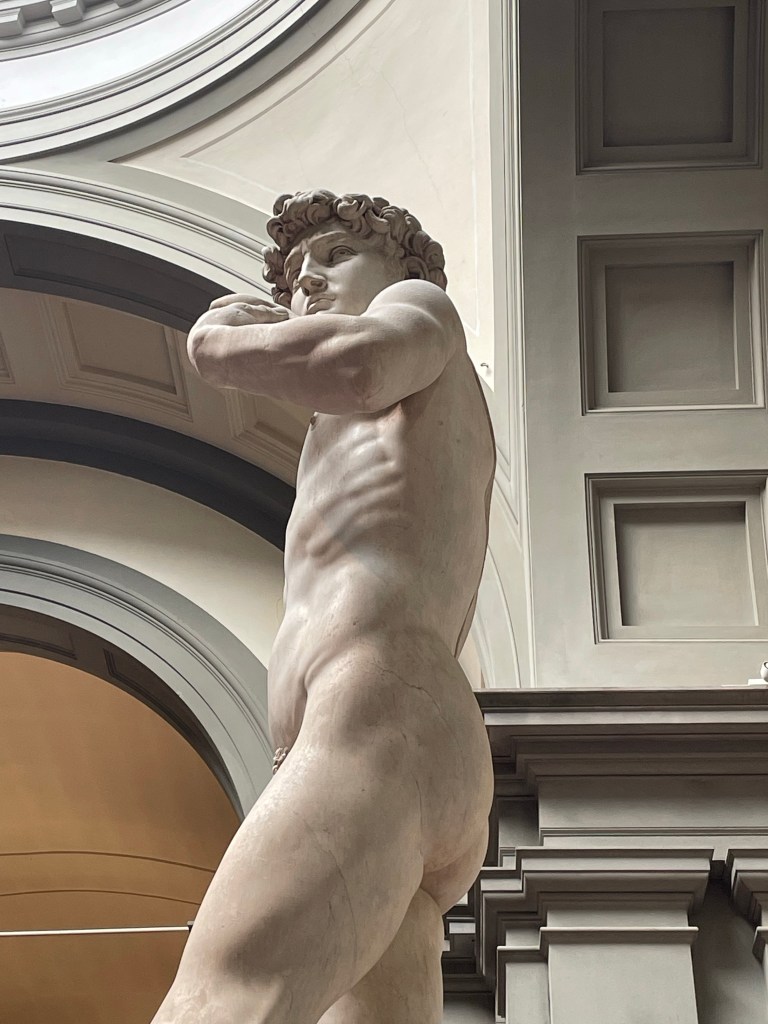
If you have never seen it, the statue of David should be your absolute #1 priority coming here. Unlike other statues of David that show David with the slain Goliath’s head, this one is ambiguous as to whether it is before or after he slays Goliath, but the demeanor suggests it is before. The expressions and pose of David convey a different attitude every few degrees you walk around the statue, ranging from a cocky dude strutting to a vulnerable young man wondering whether he’s done the right thing. He is both man (towering over everyone with a godlike build, disproportionately large hands and feet) and boy (youthful face), almost capturing the moment when a person is both. The ambiguity is the beauty. I’m glad I didn’t bring my camera, because I would have spent all day there trying and failing to capture the experience.
Donatello’s David is worth a look too.
Tired: Central Market. Also tired: Ponte Vecchio
The Central Market is a massive fast food joint. The Ponte Vecchio, a bridge whose stores cantilevered over the water, is a jewelry store. They are crowded and ugly. Take my advice and stay away. Actually the bridge in Bath, England that resembles the Ponte Vecchio is cuter and more quirky looking.
Things I ran out of time and energy for, but feel like I can do these another day or be satisfied if I never do them:
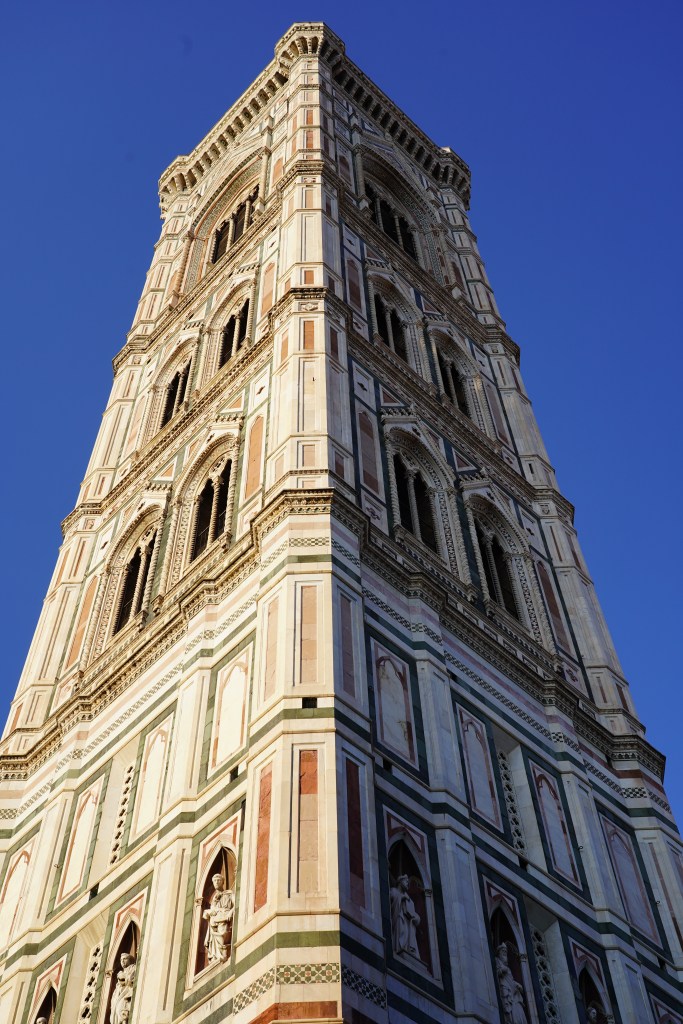
- Climbing the Duomo or Giotto’s Tower. Why would you do this in such intense heat, when you can’t even see the view of the dome and tower at the top? The benefit is that you do get an up close of either the Tower or the Dome, or you may want to see in between the two domes of the Dome, which could be worthwhile to you. The rest of Florence isn’t THAT pretty however.
- The church of Santa Croce
- The basilica of Santa Maria Novella
- Day trips. You can take day trips to
- Bologna (easiest—only 40 minutes away by train),
- Pisa (an hour by train plus a half hour walk to the Leaning Tower),
- or into wine country such as San Gimignano or the Chianti region. Because of the timings of my museum entries, this wasn’t going to be feasible, but as hot as it was and as much as I’d traveled in Milan, I scaled back my ambitions here. I would have gone to San Gimignano but the only way to get there without a car was a 2 hour one-way bus trip, which I was not up for. And I wasn’t going to go wine tasting and drive either.





 Steve Simko