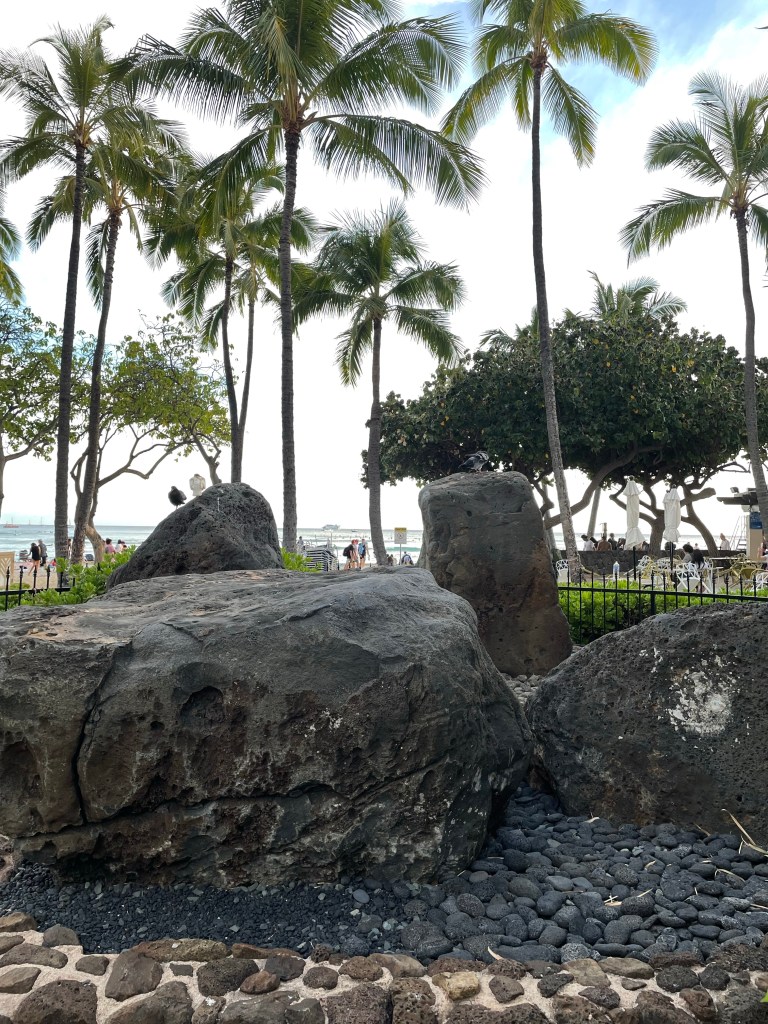
This story ends with rocks covered in pigeon poop.
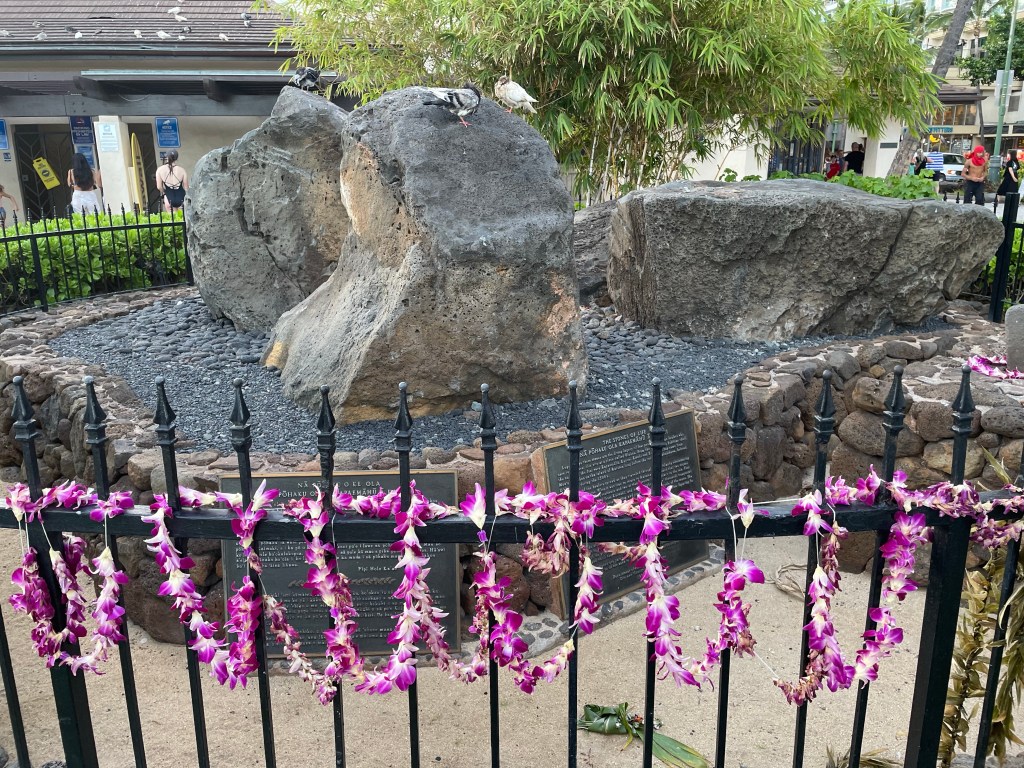
But these are no ordinary rocks. They are the Healer Stones of Kapaemahu, located on Waikiki Beach. The pigeons, however, do not have such provenance. We will revisit these stones later after we look at some other rocks covered in other things.
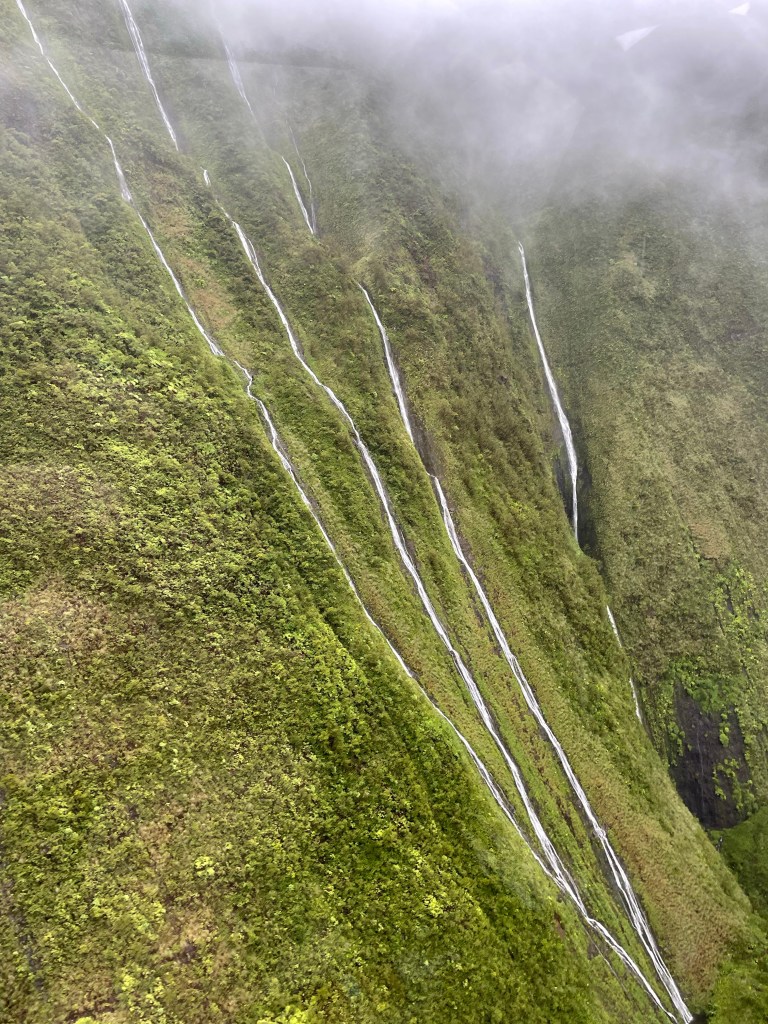
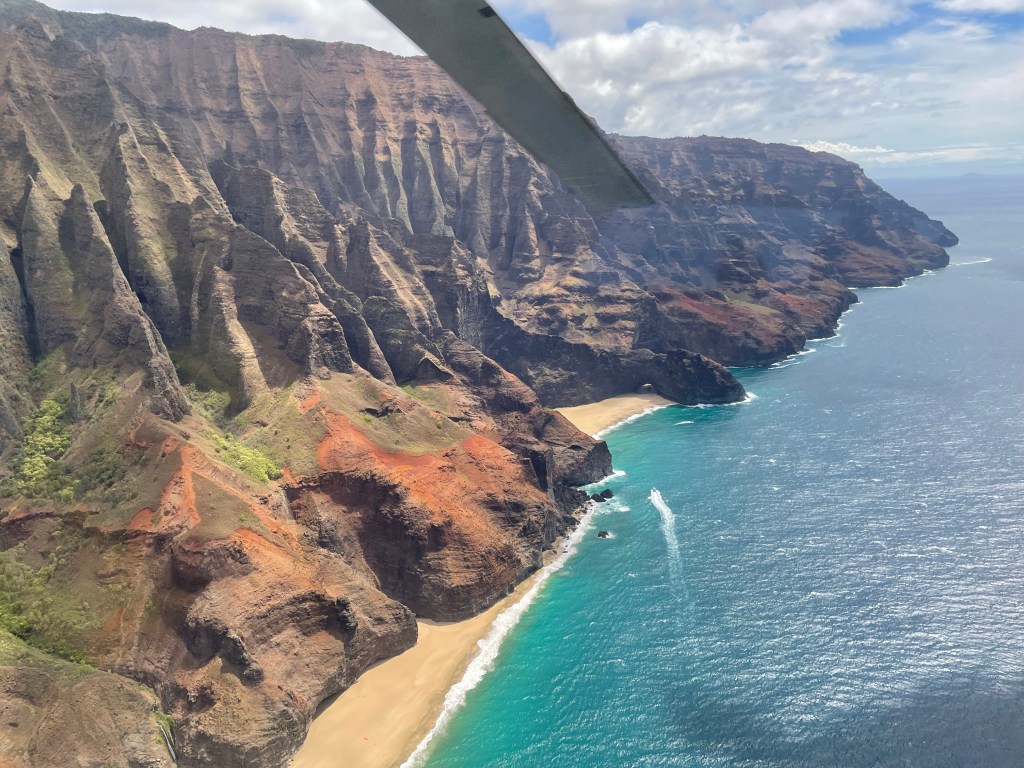
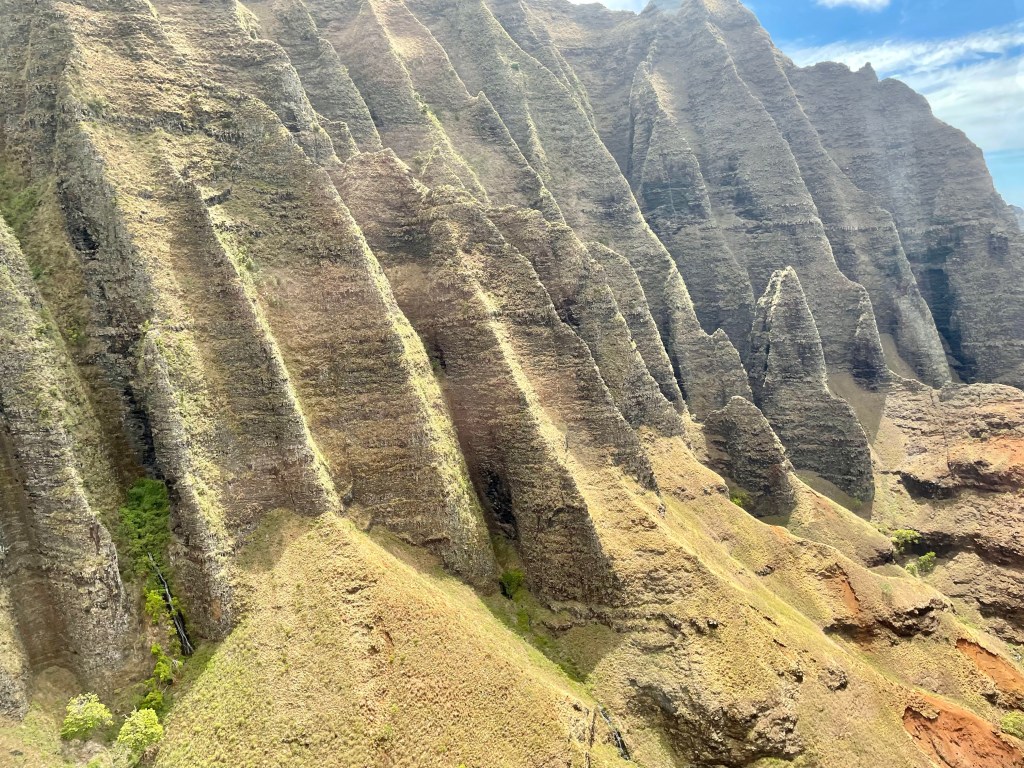
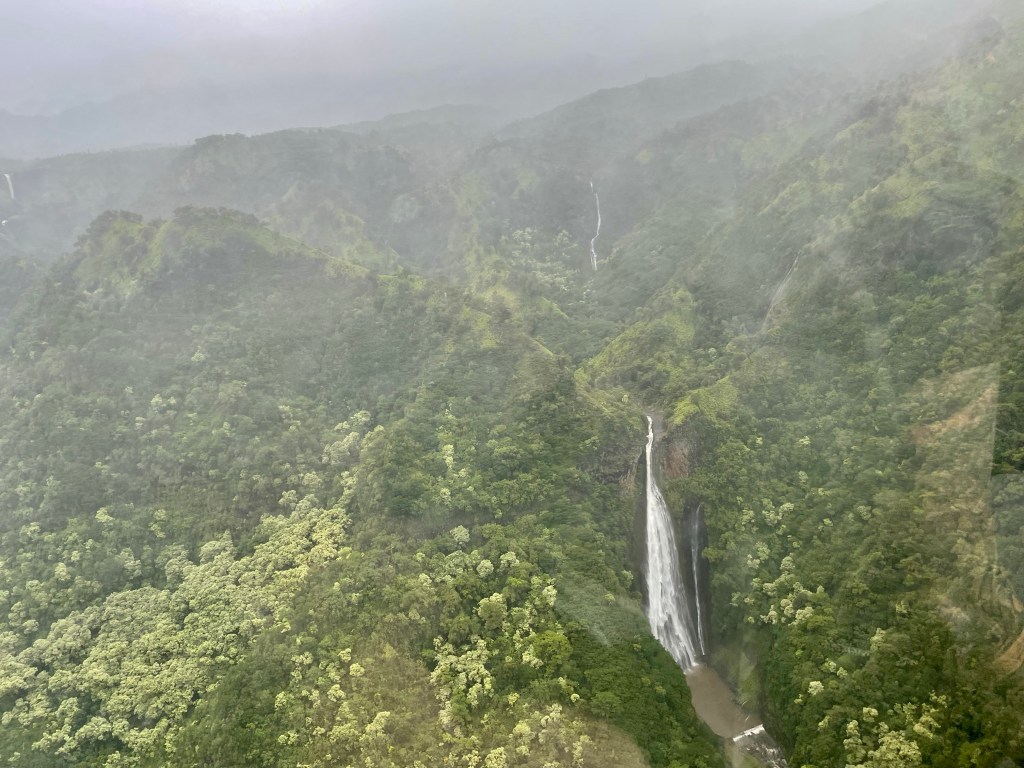
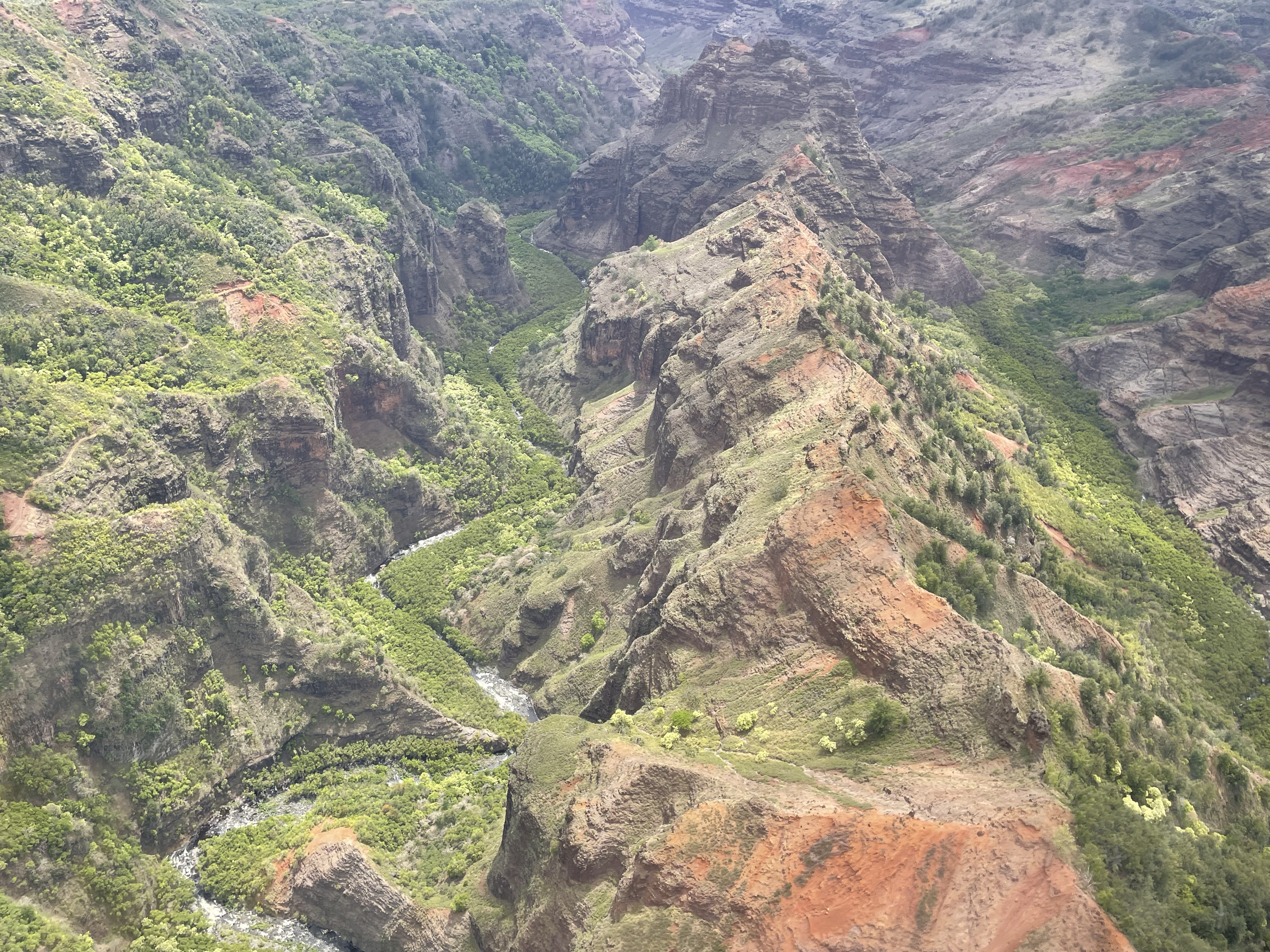
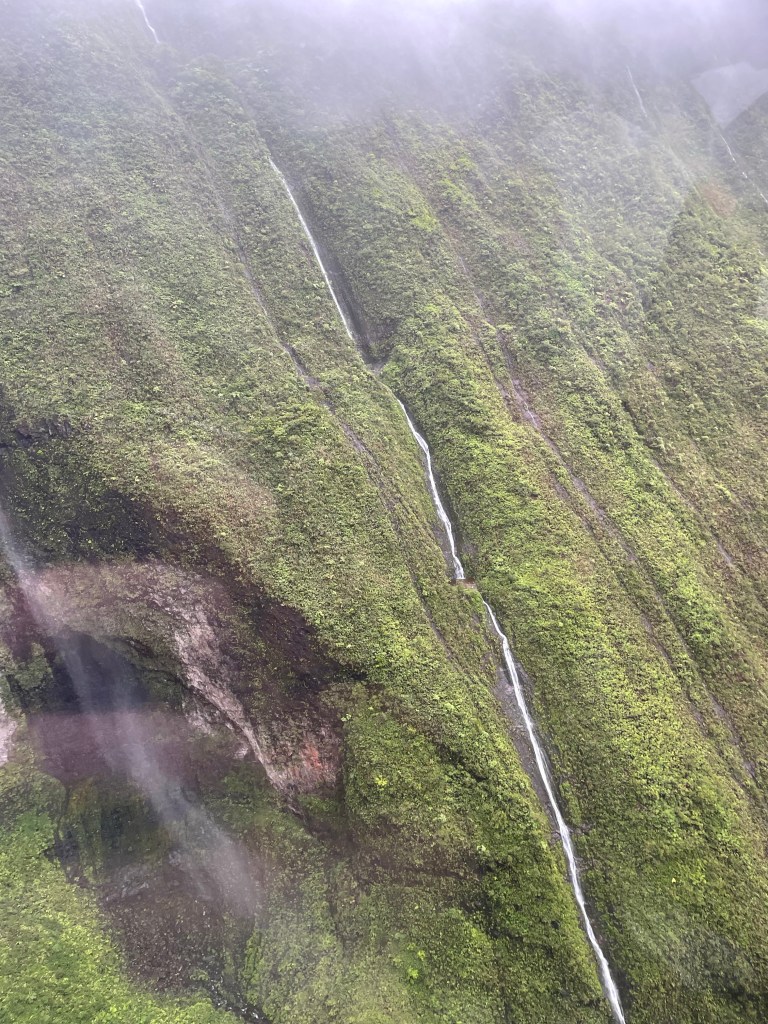
Here’s something a bit more obviously majestic. These waterfalls are located in the rainiest spot in the US, descending from the peak of Mt. Waialeale, the volcano from which Kauai was formed. You can’t access these waterfalls any way except by helicopter. In fact, there’s quite a lot of Kauai that can only be accessed that way. So here are some of the highlights of my helitour.

So then I went to Honolulu for my friends John and Chris’ wedding.
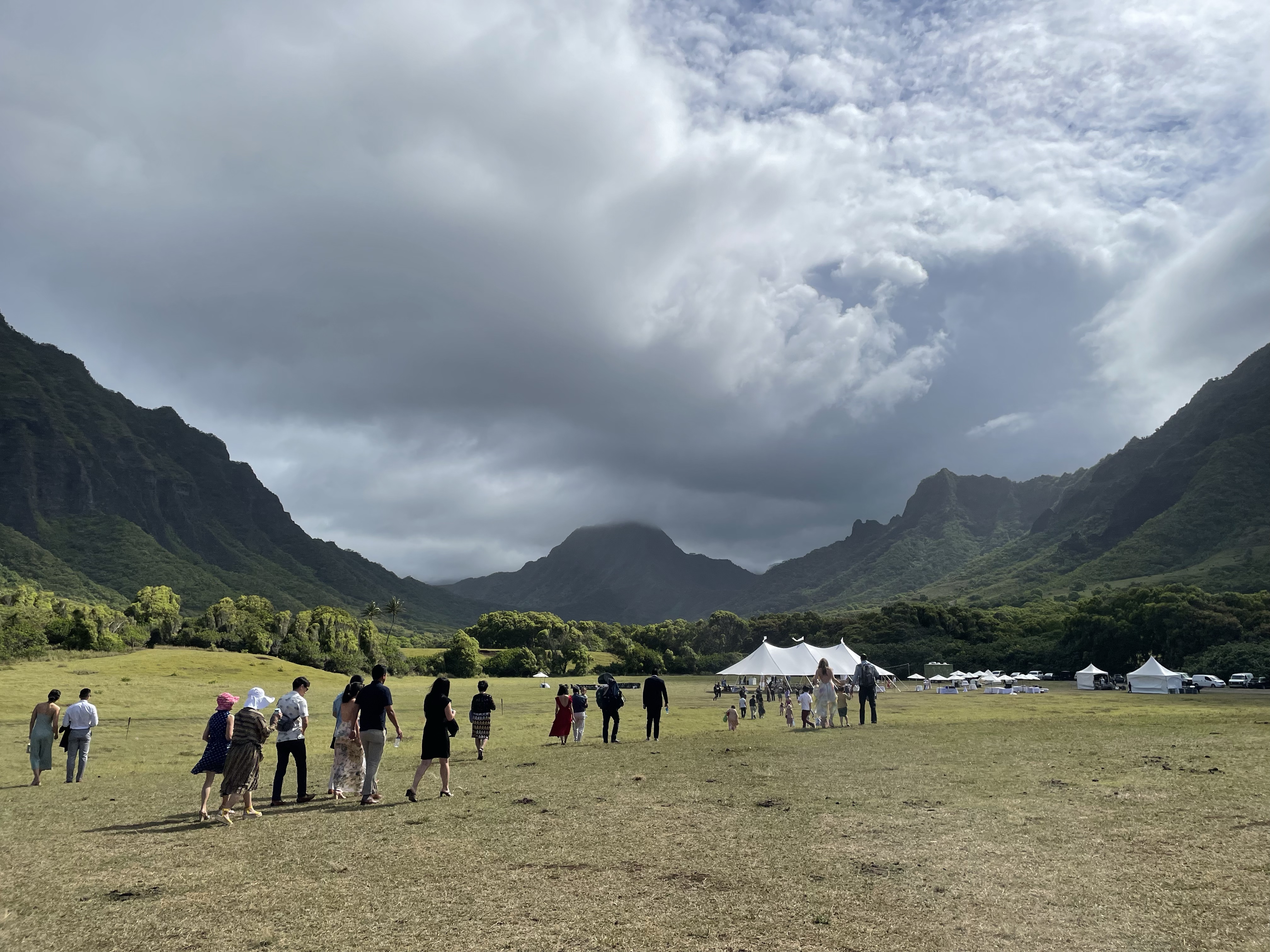
The wedding venue was unimaginably stunning, even if my pictures don’t do it justice. They were married at Kualoa Ranch on the north shore of Oahu. Jurassic Park (that movie again) was also filmed here.
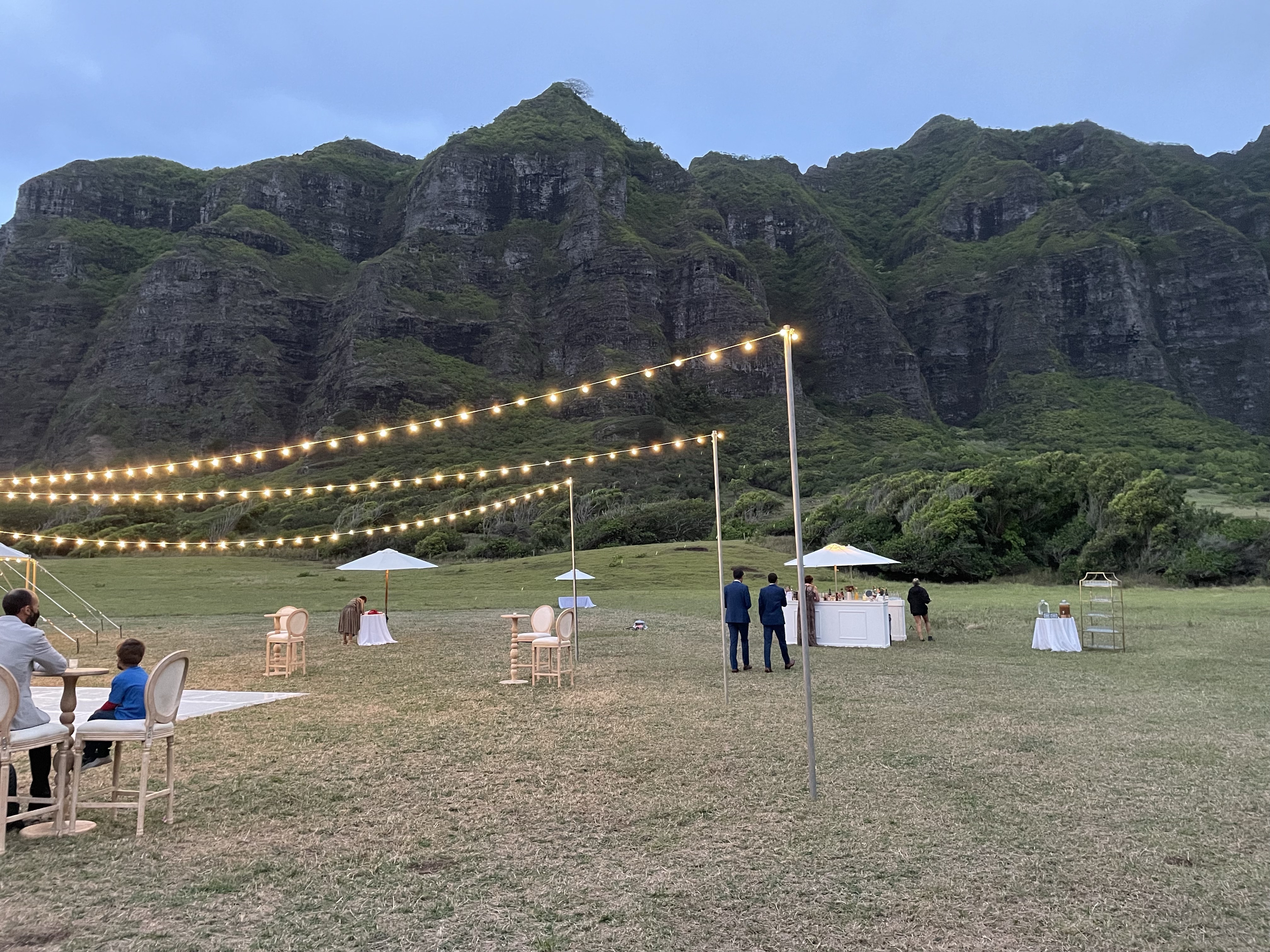
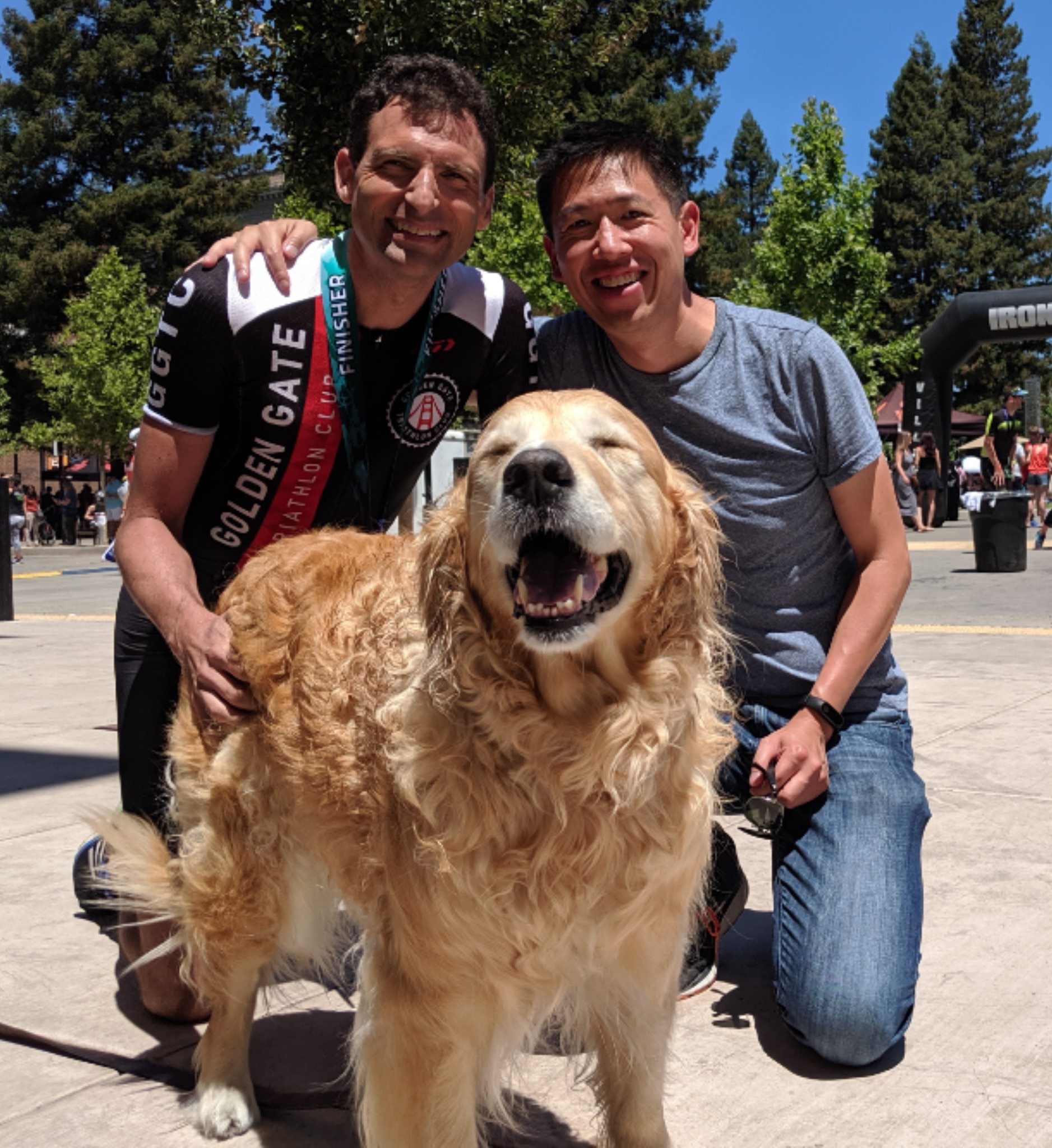
It was my first gay wedding. If you’re wondering how a gay wedding is different from a straight one, well, there was a lot more discussion of Evelyn Waugh and T.S. Eliot at this one than any wedding I’ve attended before. Then again, these guys went to Harvard, so maybe that’s a *Ivy League* gay wedding for ya.
Side note: Ivy League grads are far more overrepresented in my friend groups since living in SF than ever before. Go figure.
Also side note: the wedding made the New York Times! The New York Freaking Times!!!
I don’t know that I had much of a reaction to it being a gay wedding. I was too excited celebrating my friends’ happiness to contemplate what being at a gay wedding for the first time meant to me. It took an unexpected museum exhibit to trigger those thoughts.
At the suggestion of a friend of mine who’s now a Honolulu local, I went to the Bishop Museum. Its focus is Hawaiian history, so for instance I learned about how Sanford Dole and other late 19th century plantation landowners overthrew the Hawaiian monarchy and effectively made Hawaii a territory at first not of the US but of corporations.
They had a special exhibit called the Healer Stones of Kapaemahu that I had not planned to see but happened to check it out. The exhibit described what it’s about better than I can:
The Healer Stones of Kapaemahu exhibition explores the past and contemporary meanings of four large stones that were long ago placed on Waikīkī Beach to honor four māhū, extraordinary individuals of dual male and female spirit, who brought healing arts from Tahiti to Hawaiʻi. Although the stones have survived for centuries, the story behind them has been suppressed and the respected role of māhū erased.
https://www.bishopmuseum.org/kapaemahu/
Much to my surprise, it was an exhibit about queer healers! The exhibit started with an animated film about the legend of the healers with dual male and female spirit. The stones actually exist—they are located on Waikiki Beach, and were hauled there by native Hawaiians centuries ago, prior to their discovery of the wheel.
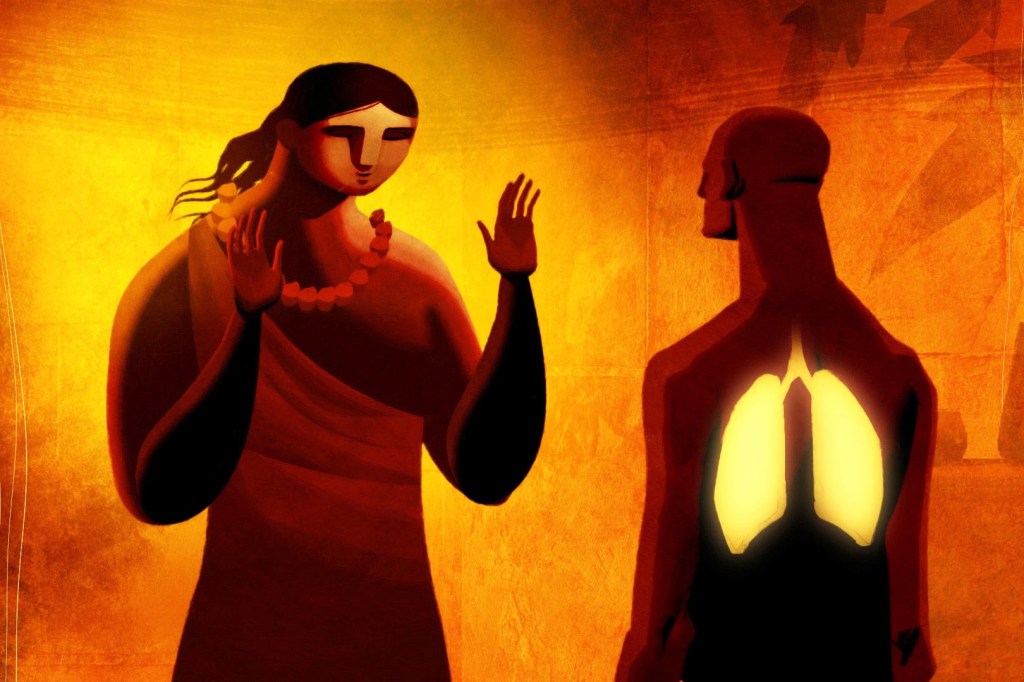
The exhibit then went on to show an extensive animated chronology of the stones since the early 20th century. The stones were on the property of a white landowner on Waikiki who had opposed the earlier overthrow of the Hawaiian monarchy. He made special provision in his will for the stones to be protected. However, his will was ignored, and when Waikiki was developed in the lead-up to World War II, a bowling alley was built over them. Of all the things to put on the Waikiki beachfront and on top of a cultural artifact, a bowling alley! Can you imagine?!
In the early 1960s, however, the state of Hawaii claimed eminent domain over the Waikiki beachfront. Thus the bowling alley was torn down, and the stones were rededicated. A cultural artifact was restored, but only in part.
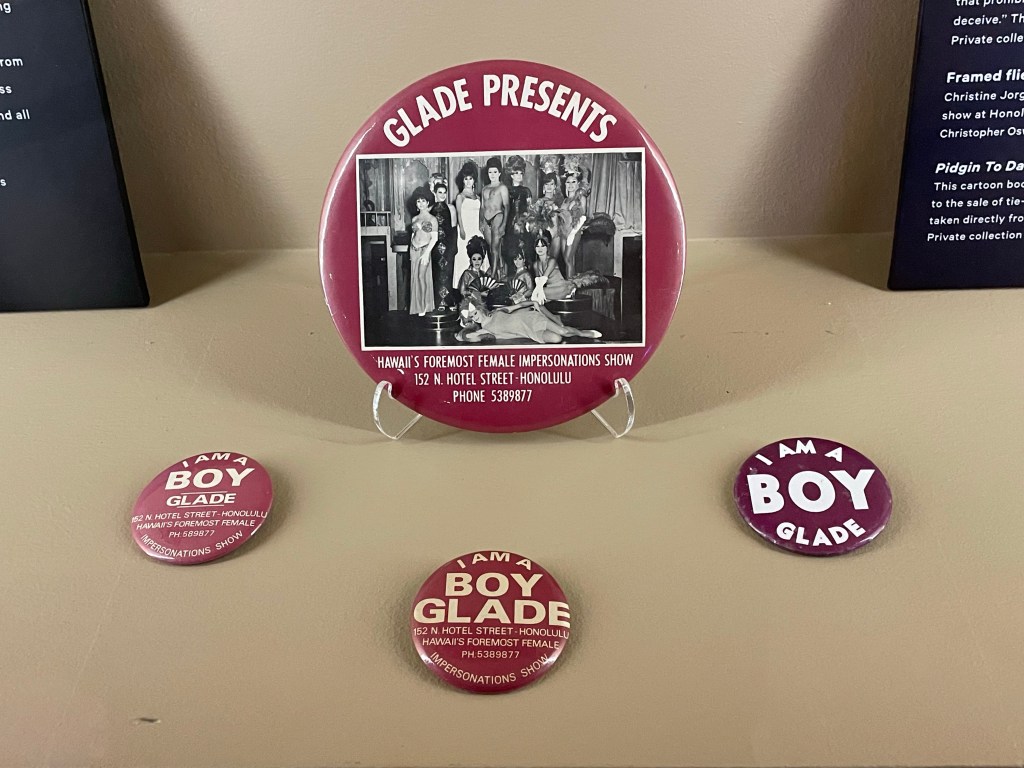
In the rededication ceremony and subsequent commemorative plaques, the fact that the healers were dual spirit was not mentioned. At the time of the rededication, the state was in the throes of a trans panic. Trans women were being accused of seducing men without telling them they were women. A law was passed requiring trans women to wear a button indicating their biological sex. There was a nightclub in Honolulu called the Glade that in particular featured trans women performers. This law applied to the performers as well, and they wore these buttons:
The exhibit also highlighted the role of dual-spirit individuals in Polynesian culture and included video testimonials from transgender individuals about their coming out. In so doing, it completed a narrative arc: that erasure of our past and present is a terrible loss for us all, whether it is cultural erasure or queer erasure.
Now imagine how this exhibit affected me, a gay doctor who just attended his first gay wedding. While I’m unlike the mahu in that I’m cisgender, the story is a reminder that my queerness is far more than a sexual orientation but is inherent to how I relate to the world—a gentler, softer approach to life than many men, for instance—and can be a part of my societal role as a healer. And that the simple act of queer visibility, whether it’s a show in a nightclub or a wedding, is essential in creating a world that can be beautiful for all of us, helping queer and non-queer alike realize the specialness each of us brings to the table.
After finishing the exhibit, I had to go pick up my bags from my hotel, which as luck would have it was right next to the Healer Stones. They’re hidden in plain sight—on the beachfront but tucked up next to a police substation and with their commemorative plaques hidden on the ground. When I got there, there were 5 or 6 others looking at the stones, and they had been at the Bishop museum earlier as well.
These are not rocks covered in pigeon poop. The Healer Stones of Kapaemahu are a symbol of the majesty and the wondrous complexity of Hawaii, just as the spectacular mountains, canopy, and waterfalls at the top of Kauai are.


 Steve Simko