Copenhagen marked a turning point in my trip from the mostly outdoor and small city travels to more urban adventures. It also marks a turning point in my thinking about places—from “is this place fun” to “is this a place I someday might want to live?” The question of whether to become an expat, to go on a more permanent adventure, has been rolling around in my head for a while.
I flew to Copenhagen because it was one of the easiest places to get to from Ljubljana without wasting a day. I took a two hour van ride to Zagreb (after a stellar Michelin starred meal at Atelje) late at night, stayed in the Croatian equivalent of a Motel 6 near the airport, and flew out early the next morning.
The weather was gorgeous. My pictures in Nyhavn with my new camera did not disappoint.

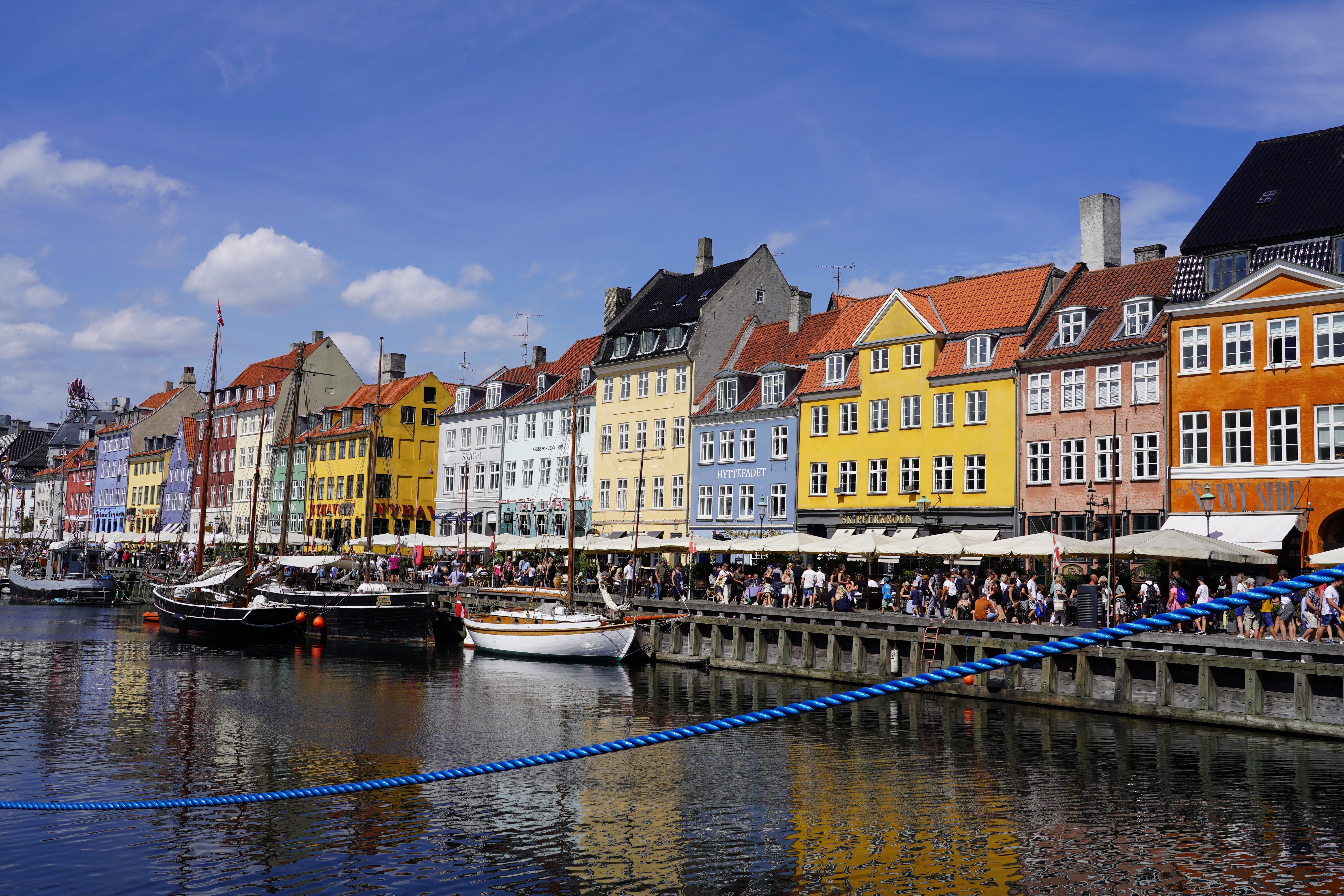
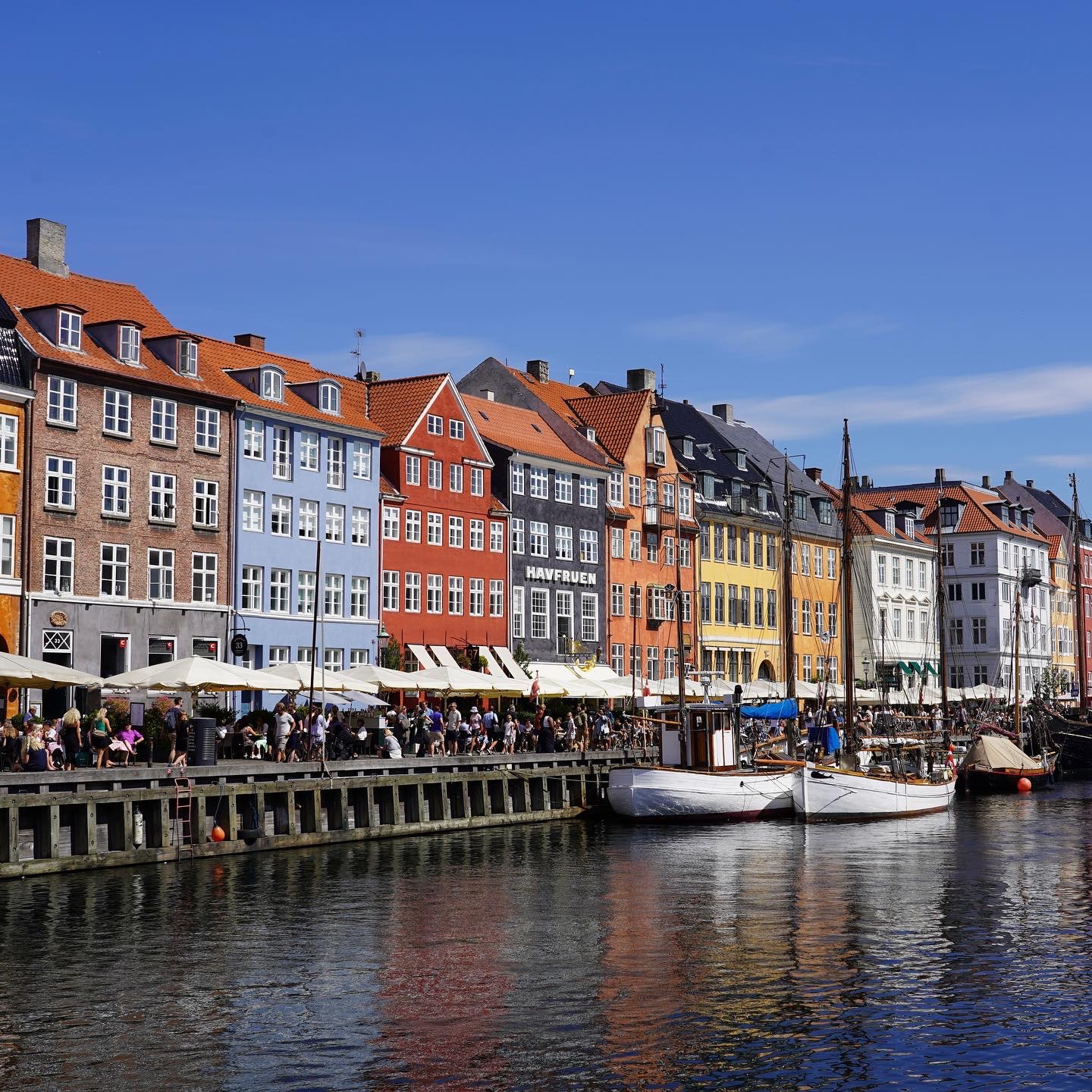
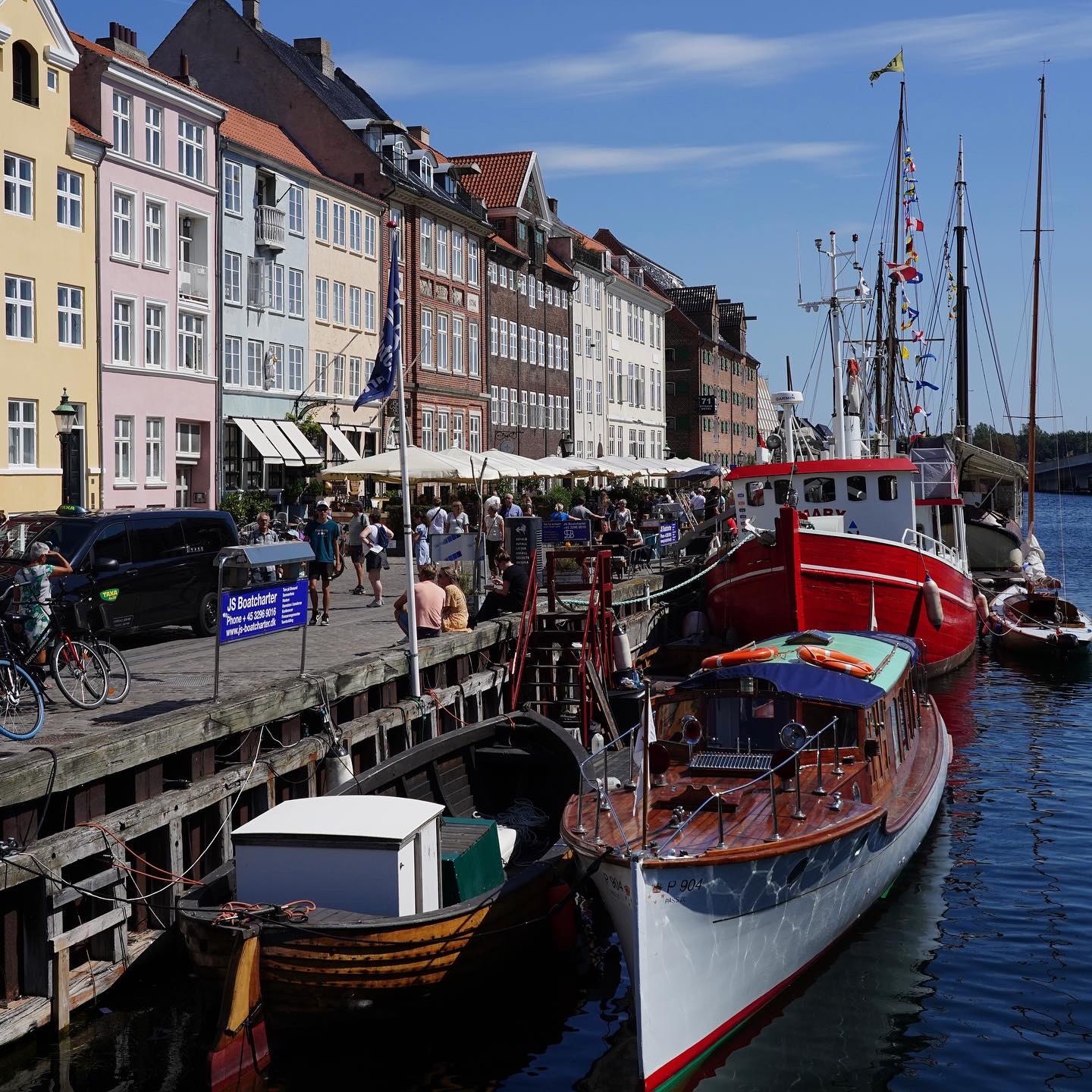
The food ranged in quality from very good to outstanding. I ate three multicourse meals and got the consistent high quality food I’ve been wanting all trip and finally got it. Everything on my plate had some tiny flower or herb that was locally grown or foraged. And by foraged, I mean possibly pilfered from the chef’s neighbor.
I added a second country to my itinerary by delaying my next flight by a few hours and taking the 30 minute train ride to Sweden! I walked through the old towns of Malmö and Lund.
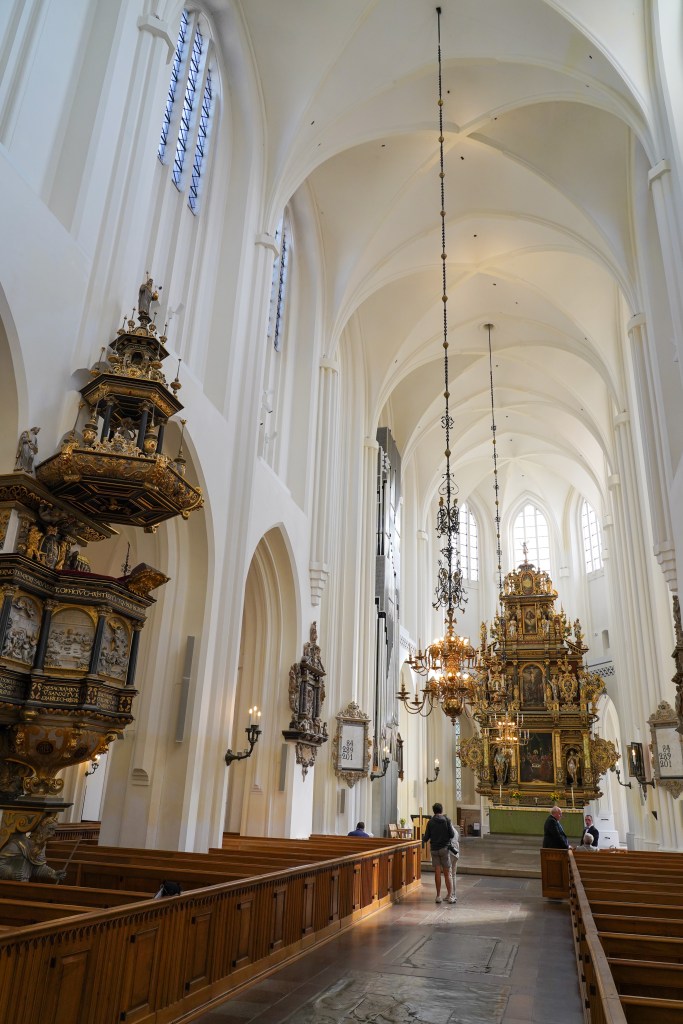
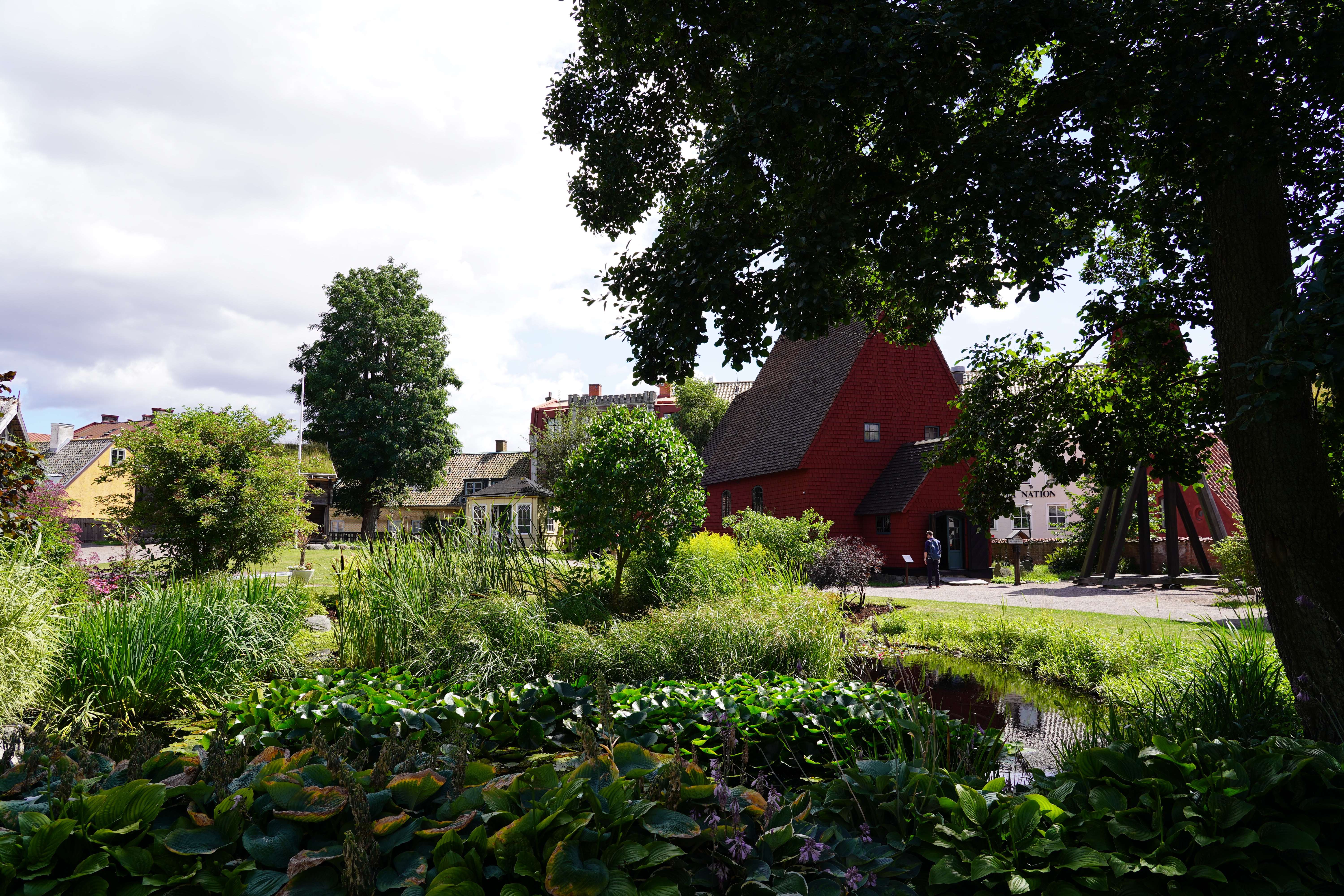
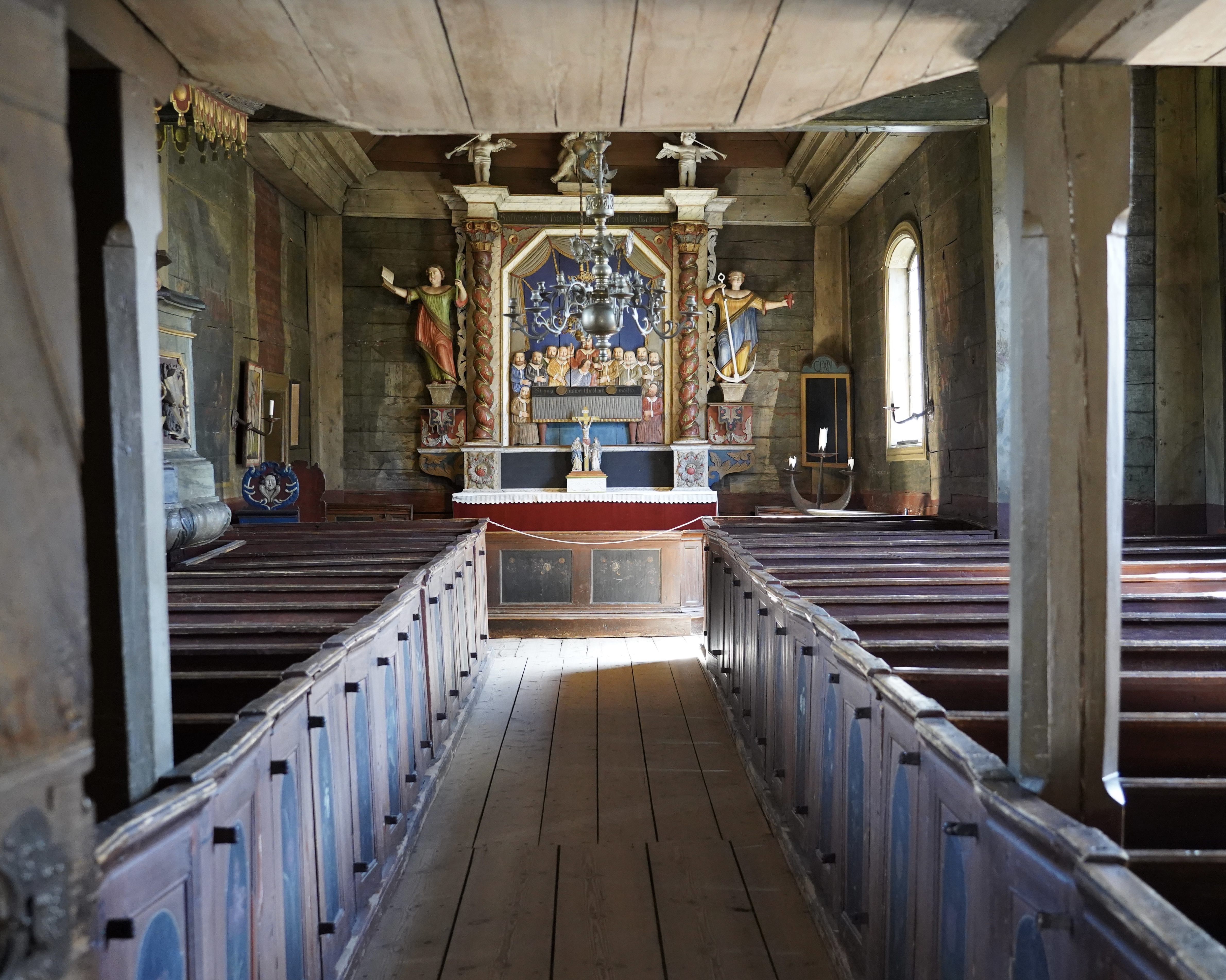
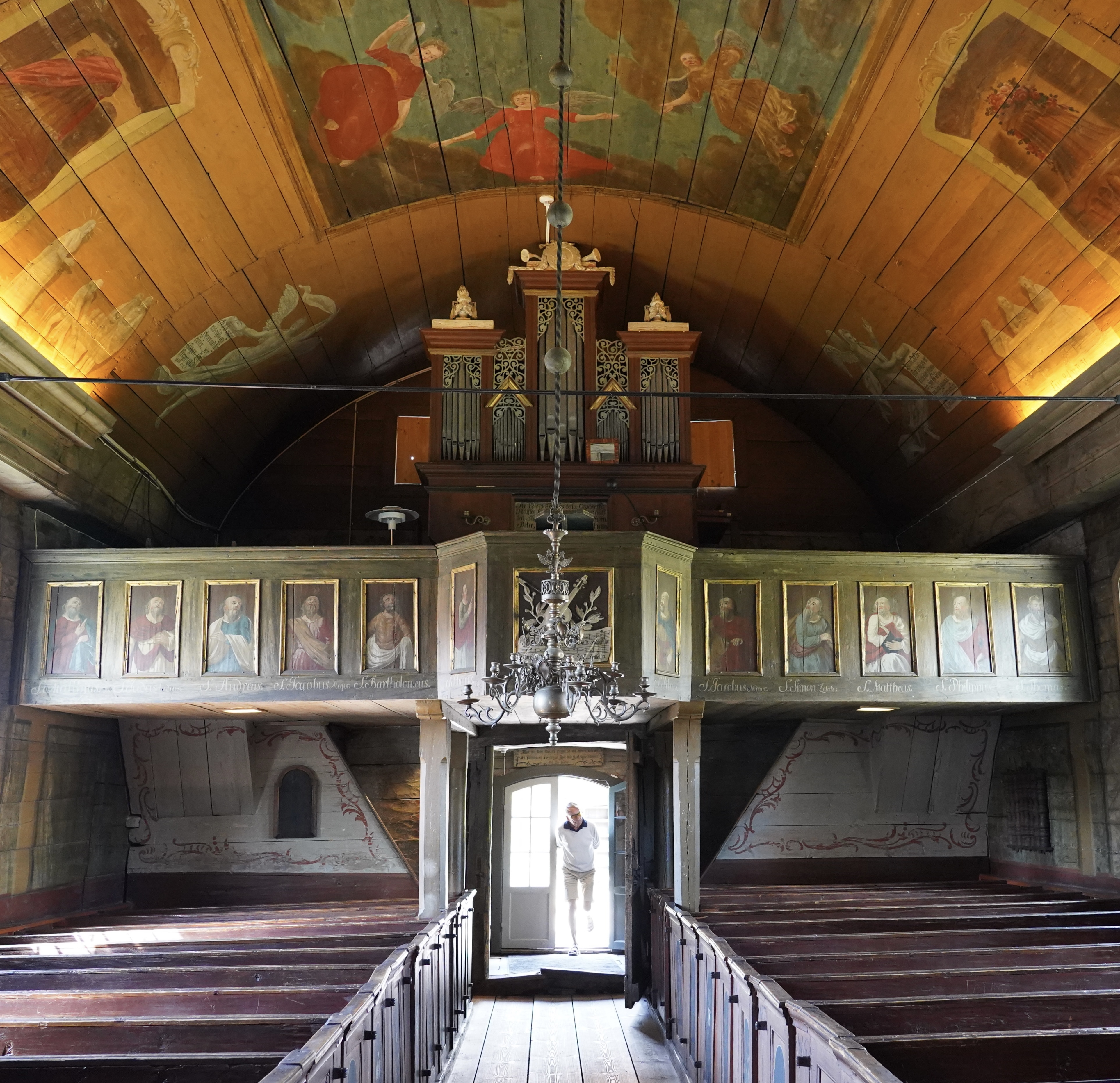
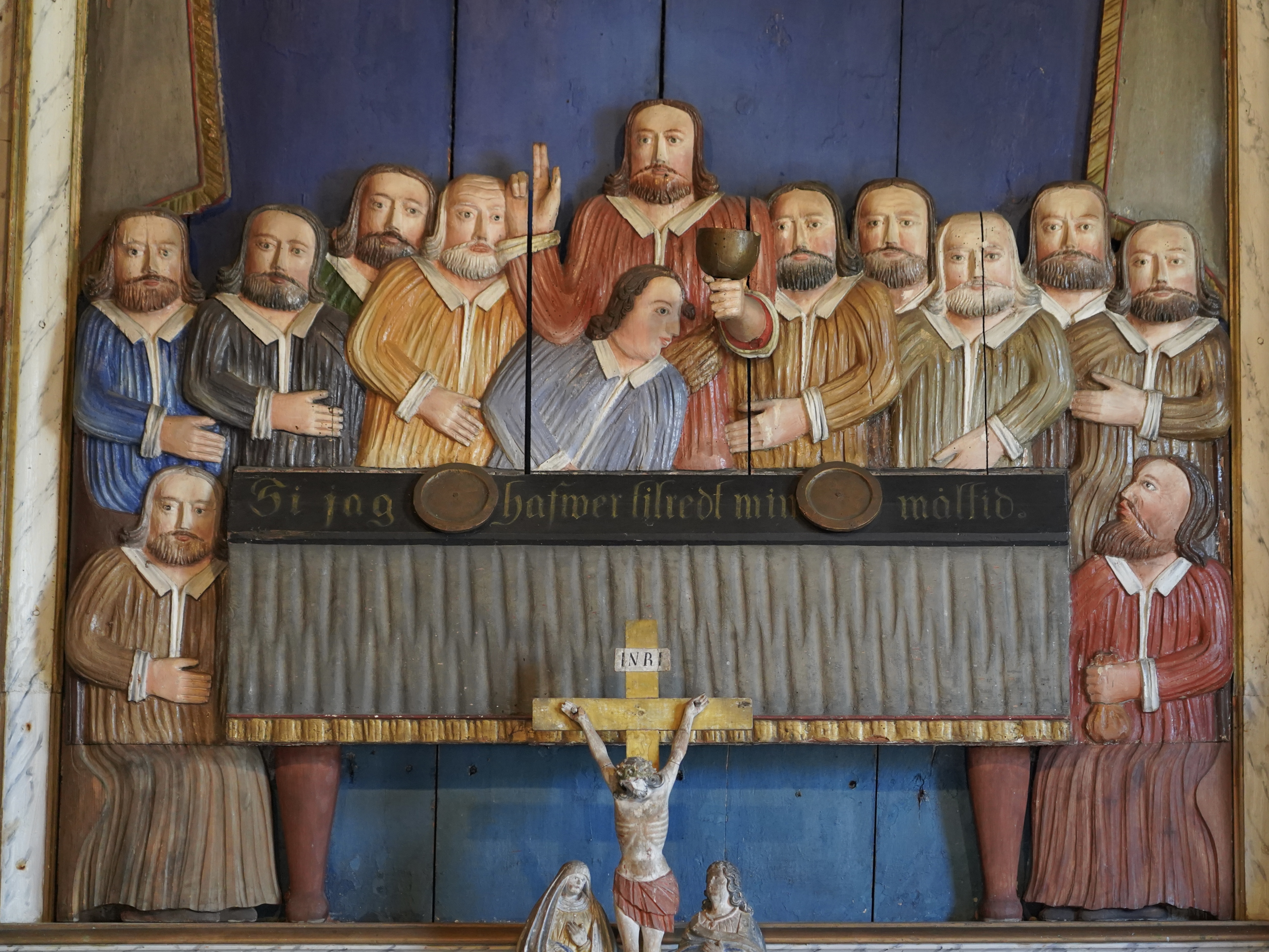
Lund in particular has a museum town where they have transported old churches and houses of different vintages (17th-19th centuries) from the countryside to a museum village in town.
I don’t have a lot of stories to tell about Copenhagen to be honest. It was mostly sightseeing. I didn’t really meet anyone while I was there—in fact I’ve never felt so ignored on apps for, um, ah, making social connections as I have in Copenhagen. The weather was warm but I felt a certain chill from people there. At one point while riding a train in a quiet section, two people were having a quiet conversation, and a local woman sharply pointed out to them, “Quiet! Too loud!” There’s a certain social conformity you have to have in the Nordic countries, and you will feel the sting of personal coldness if you don’t fit in. But even colder, I suppose, is the lack of sense of welcoming I had there relative to other places on my journeys. Guess my Southern sense of sociability, not to mention a boisterous side that needs to be let out once in a while, doesn’t fit everywhere.

OK I do have one story though. More story than pictures, but go to the Louisiana Museum website for a more visual experience.
While there I took a train ride north to see contemporary art at the Louisiana Museum, one a friend with a PhD in art history from Cambridge told me to see and called “the best museum in the world.” The art wasn’t just objectively outstanding, it was as though I found artists who were speaking to ME. I’ve been moved by art before. Seeing Monet for the first time years ago and “getting it”—seeing that the impressionists created a reality that seemed more real than more traditionally authentic representations of reality—was a revelation, but it wasn’t personal. Seeing American Gothic or Sunday at La Grande Jatte at the Art Institute of Chicago transports me into new worlds, but it doesn’t tell me anything about myself or my hopes or my dreams. This was different.
The first artist, Dorothy Iannone, is an American who has lived in Berlin since the 1960s and whose art is largely autobiographical. Her primary focus is expressing the joys of ecstatic union with a partner. The art is, um, VERY expressive, so I will merely save my thoughts on her art for my personal journal.
Walking into Alex Da Corte’s exhibit, however, I knew I was walking into a headspace that was psychologically close to mine in terms of life experience and cultural references. In fact I knew immediately the artist was my age, or very close to it. (He’s two years younger.) It was as though I’d walked into an artist’s reimagining of 1987, lived as a school age child but reinterpreted as an adult with adult themes. The whole exhibit had pink walls and loads of neon and lit signs. For instance, one piece was an upside down sign from a convenience store from the early ‘80s.
Another was a mannequin depicting the artist lying passed out with a red solo cup still his hand, in a bulbous red outfit. I knew it was a reference I knew but couldn’t place it, it wasn’t the Kool-Aid guy…but I finally realized afterward it was the red Fruit of the Loom guy. Was this a self portrait of the artist at a time in his life when he was decadent to the point of unconsciousness, with his life amounting to no individual creation but wry expression of cultural touchstones—as in his life is a meme? Does the fact that he chose to portray himself as a character from an underwear ad imply undertones of sexual decadence? Or is he just being uproariously silly with the nonsense that’s rattling around in his head?
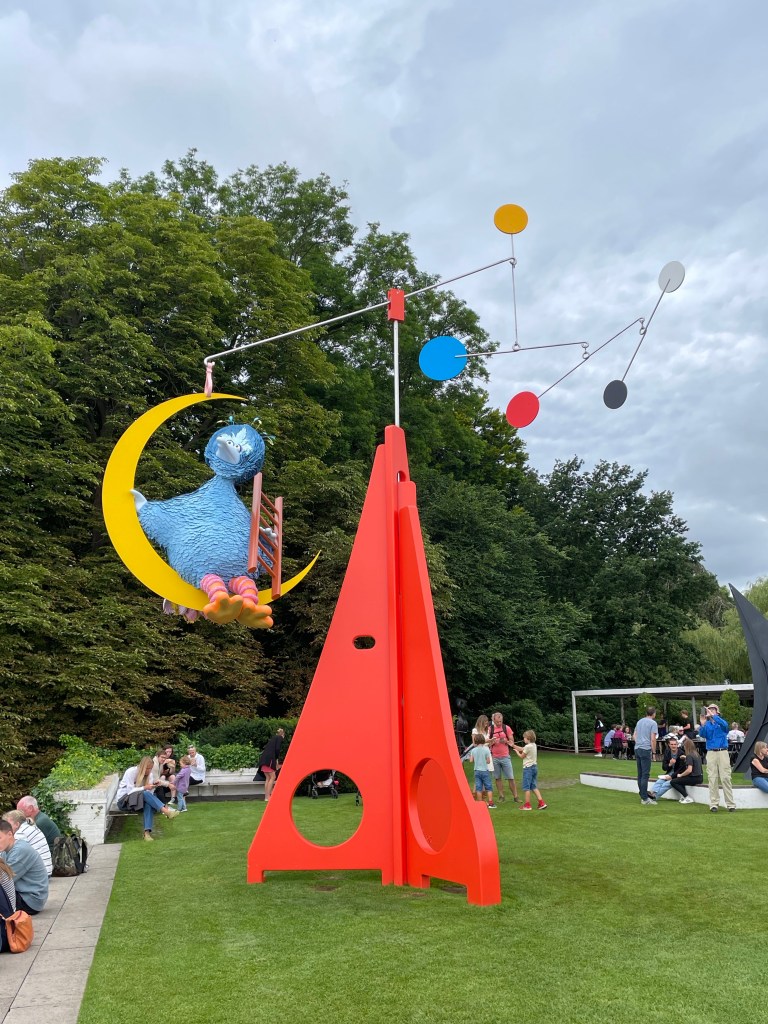
It was like this with almost all of his art, some more overtly queer, some more overtly vulgar, some more overtly childlike and innocent. As Long as the Sun Lasts evoked the formality of Calder mobiles balanced with a hopeful looking Big Bird balanced on the moon and looking hopefully to the stars. You would have seen it on top of the Met last year if you were in New York. And his blue Big Bird, I learned much later, referenced a movie I watched when I was 6 or 7 in which Big Bird was kidnapped and painted blue, as if the artist was saying that society can try to make us something we’re not, but we can still be hopeful and inspired looking to the stars.
But two of his works were oversized, overly simple expression of cultural references that in a way are expression of love for characters or stories that might be considered evil in their original context, but reimagined are simply queer and lovable (think the Wicked Witch of the West as reimagined in Wicked). In one room there sat a giant plastic well entitled Well for Sensitive Boys. I didn’t recognize the reference, but the museum said it was a skit from SNL. So I watched the skit.
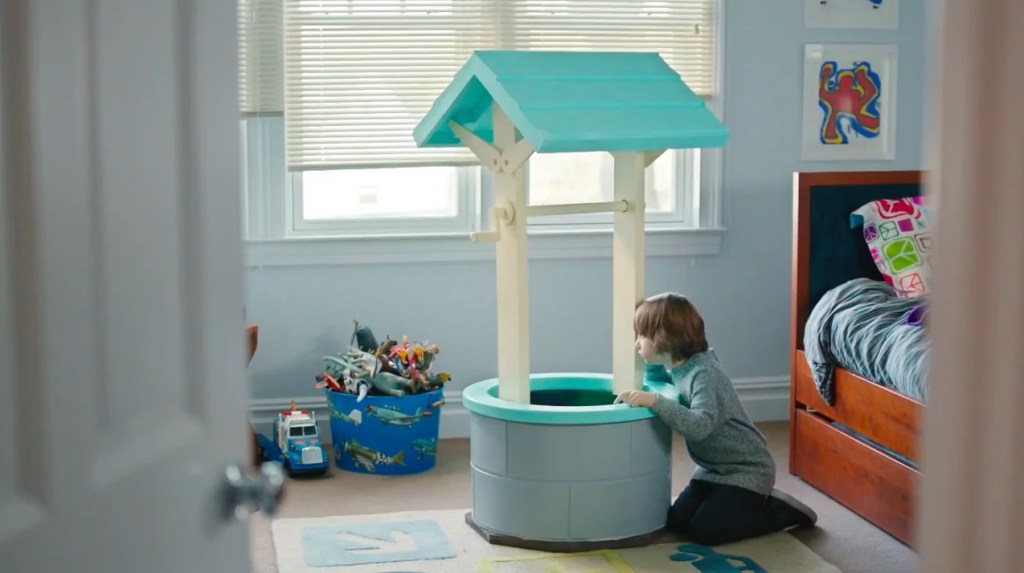
And in watching the skit, I recognized a bit of my boyhood self, and a bit more of my adult self. I’ve only rarely had a sense of “fitting in” in my life, and I definitely remember not being interested in what other kids were playing a lot of the time. And sometimes in recent years, especially triggered by the pandemic, life has felt like waiting for something to start. And so in Alex Da Corte’s well, I guess I finally have my adult size wishing spot.
I dream of the vague notion of better years ahead and yet have no idea how to pursue it or exactly what that dream entails. But at least, in experiencing Alex Da Corte’s art, I have a new image of the headspace where I can figure that out.











 Steve Simko