-
My last night in Portugal: artistry and honesty
Frankly, I’ve had a lot of bad food in Portugal, even at restaurants rated 5 stars on TripAdvisor or recommended by the trip planner who put my itinerary together. There is an obsession with cod here, and the bits that I had in restaurants or on a food tour my first few days here tasted like freezer-burnt fish sticks, not the flaky, fatty stuff we get at home in good fish and chips. They’re obsessed with canned sardines like Hawaiians and Spam, and the sardines are better here than in the US but still not exactly tasty. Bread in this country is consistently inedible. It just turns to paste in my mouth. In Porto, at a restaurant that had already served me several minimally edible dishes, I ate one bite of an order of mashed potatoes and sent it back—if my instinctive toddler memory serves, wallpaper paste would have had a less gluey texture. One night I ate at an outdoor restaurant in a marina that had served me pork tenderloin that was tough as shoe leather, and then noticed the patio I was sitting on was covered in ants and seagull shit. Up until my last day here, my best meal was cooked in a restaurant in Porto…by a Brazilian. You get the idea.
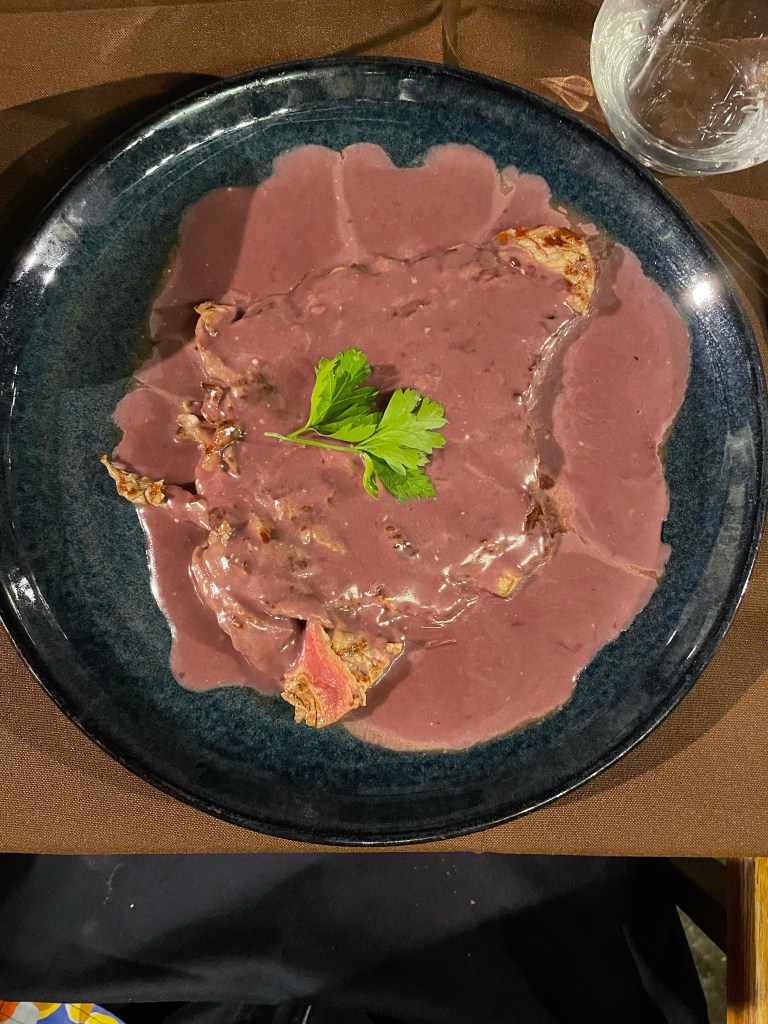
Even when Portuguese food tasted good, it looked like…this But I had two very good meals on my last day in Portugal. One was a fish cataplana, essentially a Portuguese cioppino. All of the seafood was perfectly cooked, even the salmon, and especially one whitefish that literally just melted in my mouth.
Last night, I ate at a restaurant called Drogaria, which means “drugstore.” I found it after google searching “best new restaurants in Lisbon” and coming across a Forbes article written by an American expat living there. They were included in the Michelin guide that includes restaurants beyond their star rating, so I figured, this can’t be all bad. I Ubered to Drogaria and never would have found it otherwise, as it was in a hilly neighborhood far from any business district and with narrow streets packed with apartment buildings. I sat outside. On my right was a tree and a pocket park, but on my left was a crumbling 1950s faded lime green apartment building that looks like something from a barrio in LA or Miami. The shop on the ground floor was a dry cleaner. So the name of the restaurant fit the setting. And since the intent of the restaurant was to provide new takes on traditional Portuguese food, to have the location in such an ordinary residential area fit as well.
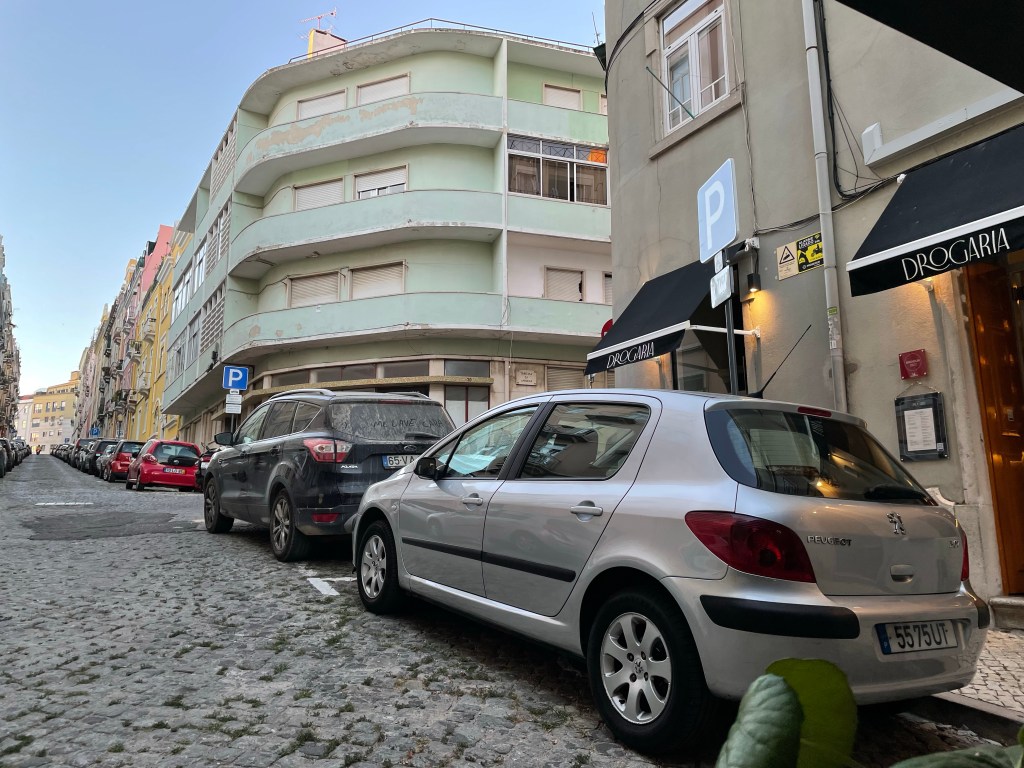
Drogaria and the apartments next door The chef, if memory serves, previously worked in a Michelin 3-star restaurant in Macau, a former Portuguese colony, so the Asian fusion elements in the cuisine were unsurprising. But there was nothing passé about these dishes. The first dish was gyoza, with the most lightly fried edge, stuffed with a Portuguese meat stew, cozido. The stew was sublime, with tender shredded chicken being the primary texture but with sausage, beef, and pork contributing to the rich flavor. It was served with the stew broth poured on top. As I finished the gyoza, the broth was left over and I (quite rudely, I thought) started spooning it down. The flavor was different than the stew itself—tangier, brighter, complex. This was not food to be appreciated by a Neanderthal. As it turns out, the broth is often served as an appetizer before the stew, so I guess I wasn’t too ill-behaved.
The roast duck was a take on duck a l’orange with delicate potatoes au gratin and spinach and mushrooms in a soy ginger sauce. If you don’t think duck a l’orange goes with the spinach, or all three together in one bite, think again. I think this was the chef’s intent, to have the diner taste each dish separately but let the flavors and ultimately the foods meld into one bite by the end. The wine accompanying this was a red blend described simply as “dry” by the server but it was far more complex than a single varietal and certainly not bland like a merlot—it was so indescribably complex that it was simpler and easier to ponder the meaning of this dining experience and marvel at the wonders of what was going on.
Then dessert was a turd, an actual turd.
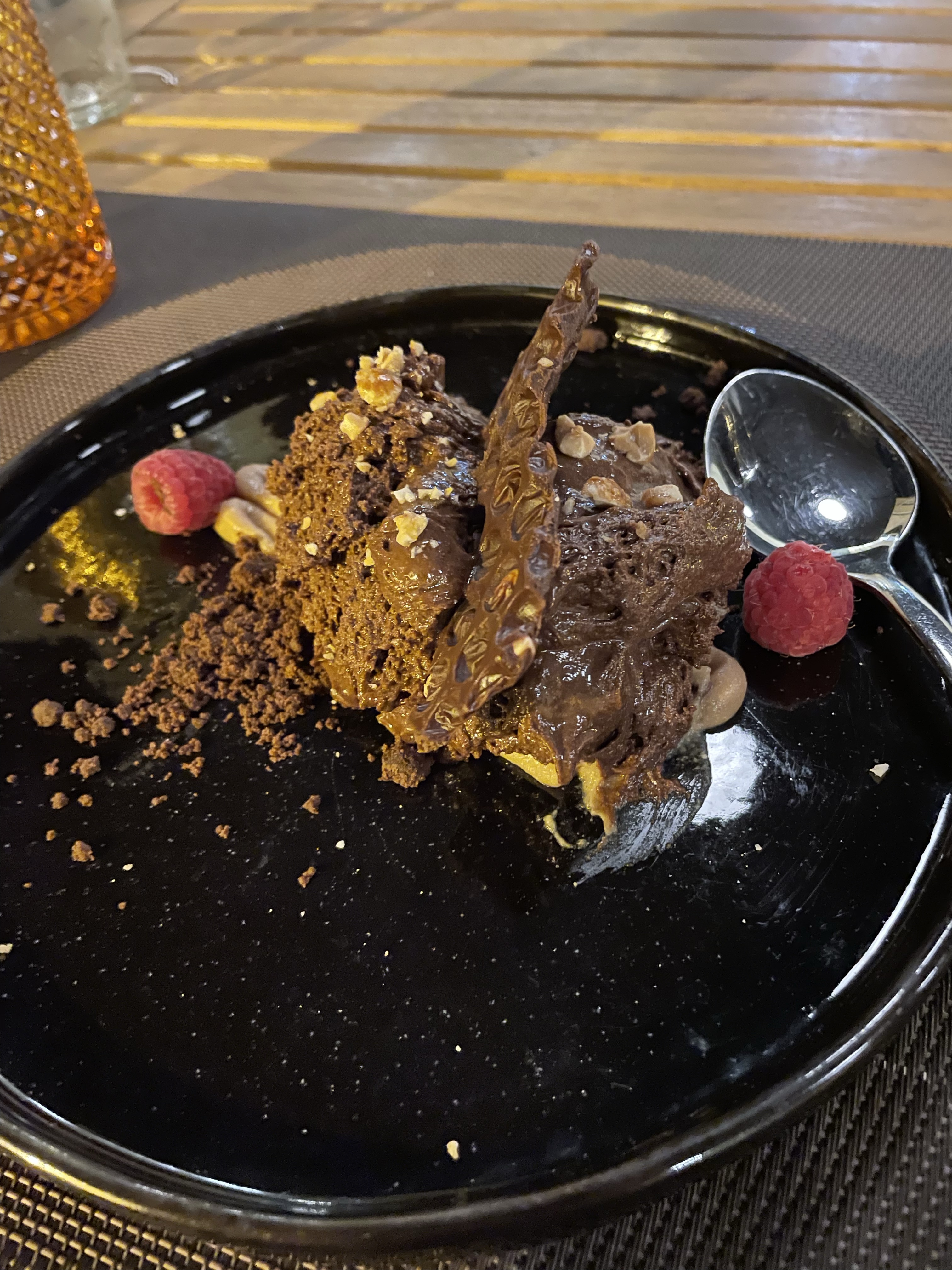
WTF If the rest of the dinner hadn’t have been so delicious, I would have been furious, but here I knew the turd was not the actual guano from the other night. It was a milk chocolate mousse with a dark chocolate [chip] in the middle and a white chocolate mousse underneath. It was glorious.
I guess I can describe the meal better in a different context. I am listening to a 15 year old Chanticleer recording as I type this. Chanticleer is a professional men’s a cappella group based in San Francisco, and they set the gold standard for classical men’s a cappella singing in the US. They sing with perfect intonation and technique, but they sing music that is not necessarily accessible to people without a lot of experience listening to Renaissance or modern music. When I listen to them, particularly live in the Italianate marble St. Ignatius church on the campus of the University of San Francisco, I experience feelings I can’t normally access, often at the same time. I feel more than the same exhilaration than I felt the first time heard a men’s chorus. I feel sorrow and get teary, but am not sad because below that I access deep peace. I feel my own emotional scars and yet they do not hurt, because I feel love for the world and the universe at the same time. For me the epitome of quality in art, or food, is that it unlocks this complexity of emotional range and experience in us. It requires a high degree of technical expertise to reach this level—in fact my chorus director Joe Piazza goes so far as to state that the best music performance is devoid of emotional input from the singer but that it is the technical excellence that communicates the message, the meaning, the complexity, the sublimeness, the emotion, the experience to the listener. Regardless of how much emotional contribution is required from the artist, that is the character of quality that I experienced at Drogaria.
That is the unspoken hope I think I have for this trip—to experience those deeper feelings, richer feelings, complex feelings that I’ve been so numb to for a while. To “rehumanize,” to reexpand after feeling so desiccated for the last few years, like a spore waiting to germinate, like those expandable water toys we had as kids. And also experience authenticity, the uniqueness of a place, perhaps in search of something authentic inside myself.
And if I’m to be honest, I didn’t experience this for the most part in Portugal. If you will indulge my perhaps unfair generalization but one that matches my experience, Portugal is a gritty country. Its cultural quality is not generally or easily accessible except to the wealthy or well informed, and the rest of us are stuck looking for ordinary food in crowded restaurants or (as in Porto) enjoying the beauty of the place without the easily found deeper cultural meaning and quality that is conveyed in places like France or Italy.
It is said that Lisbon is the San Francisco of Europe because of its charming buildings, hills, and total knockoff golden orange bridge. And I think I’m disappointed in Lisbon, in Portugal, in the same ways I’m disappointed in San Francisco too.
Drogaria, vintage port, and Chanticleer are the exceptions in Portugal and San Francisco rather than the rule. And Drogaria is the most deeply local experience of all of these: Portugal as it can be (a thoughtful experience of ancient foods in new ways) but equally necessary, what it is (a crumbling barrio apartment, possibly even a turd). That honesty makes the quality authentic, and the quality makes the honest truth more than bearable but something beautiful.
-
The Holy Trinity of the Algarve: Beauty, Overtourism, and Loneliness
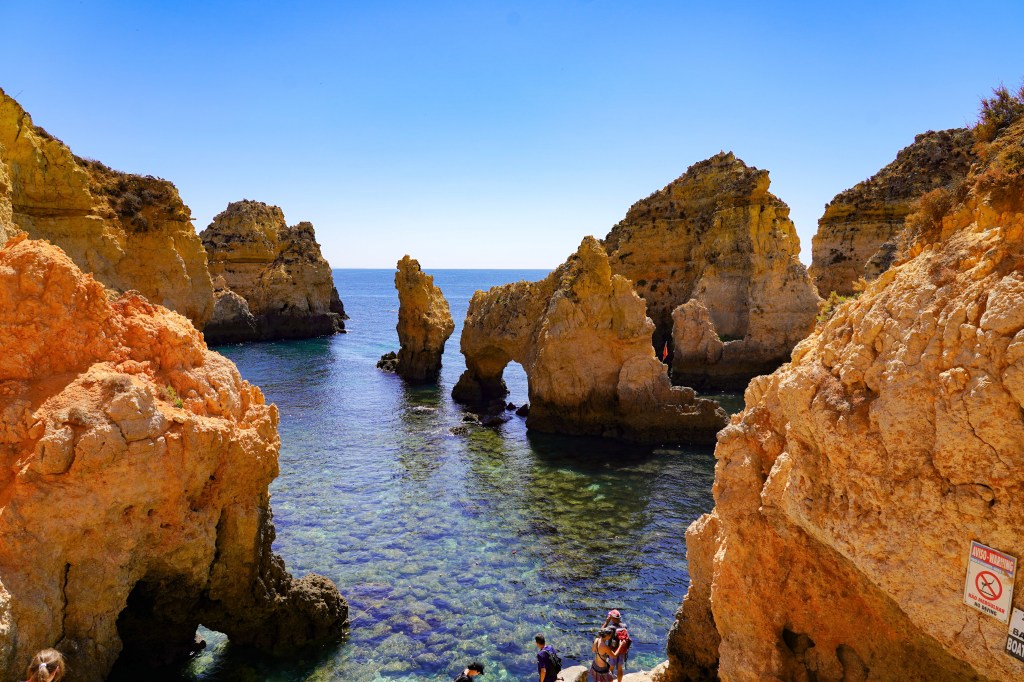
Ponta da Piedras A couple of years ago there was a meme circulating that read something like, “Next time you complain about traffic, remember that you ARE traffic.” I felt that way in the Algarve, one locust among a horde of locusts overwhelming a place to scrub it of its beauty.
The Algarve IS undeniably beautiful. And the weather is pristine. The Algarve refers to the entire southern coastline of Portugal. Its rugged outcrops, cliffs, and caves are formed by limestone erosion. While a quarter mile inland temperatures were in the mid-90s, once you got next to the water things felt much more temperate from the sea breeze (and one night I even wished I had my jacket with me).
The outcroppings off Ponta da Piedras, a small peninsula near the southwest tip of Portugal, resembles the Twelve Apostles off the south coast of Australia—limestone towers—but the differences here are the turquoise water, the warm weather, the calm waters, the boats circling the towers.

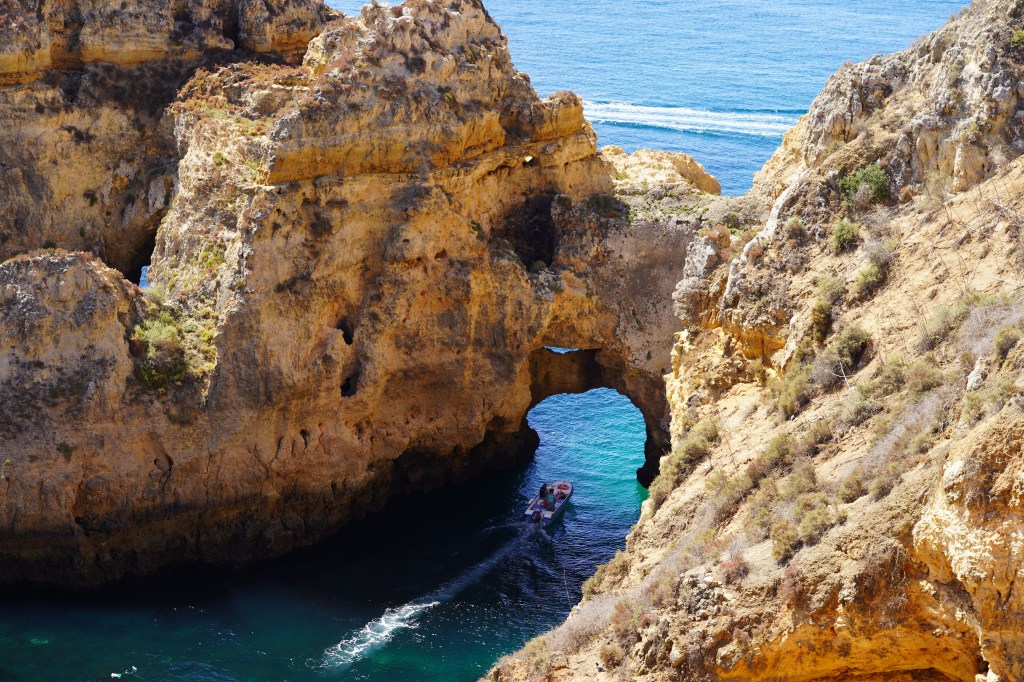
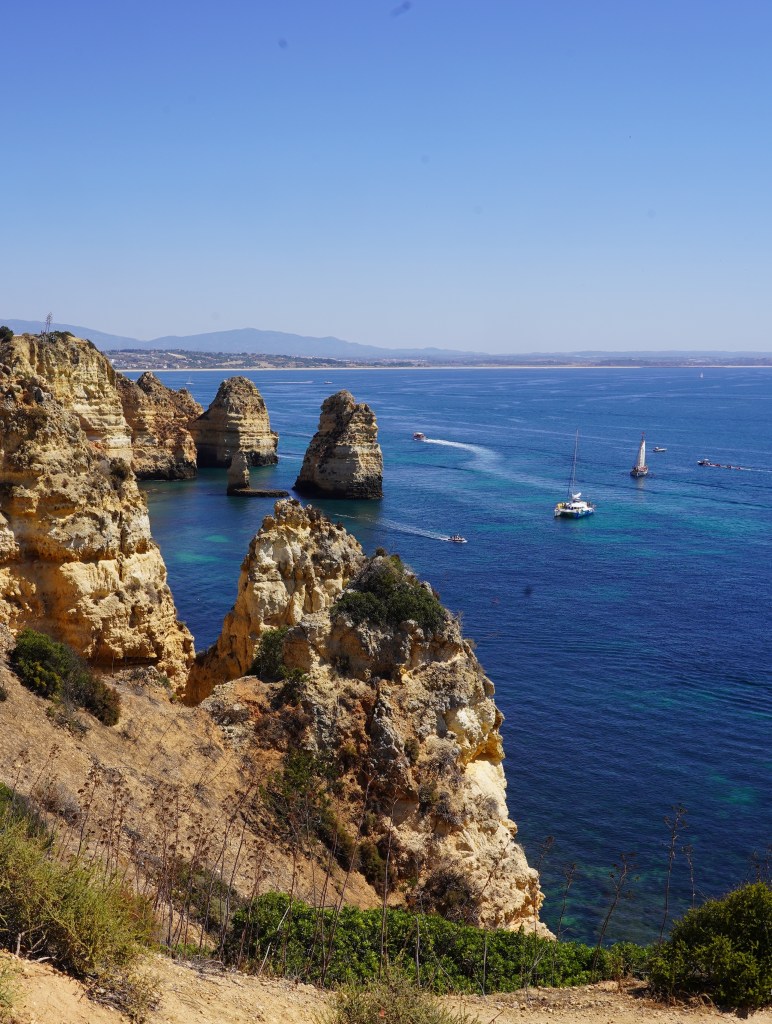
The caves of Benagil are a particular highlight. To reach Benagil cave and its surroundings, you have to kayak in, or ride a speedboat. I did the latter—trying to sea kayak solo in those choppy, crowded waters might have killed me. (Trying to swim there, of course, would have killed me, as it does to several people every year.) You can rent a spot on a speedboat on the beach, which is a difficult-to-access cove at the bottom of a steep hill. You had to board the boat in the shallow surf in front of the endless stacks of sea kayaks available for couples to rent.
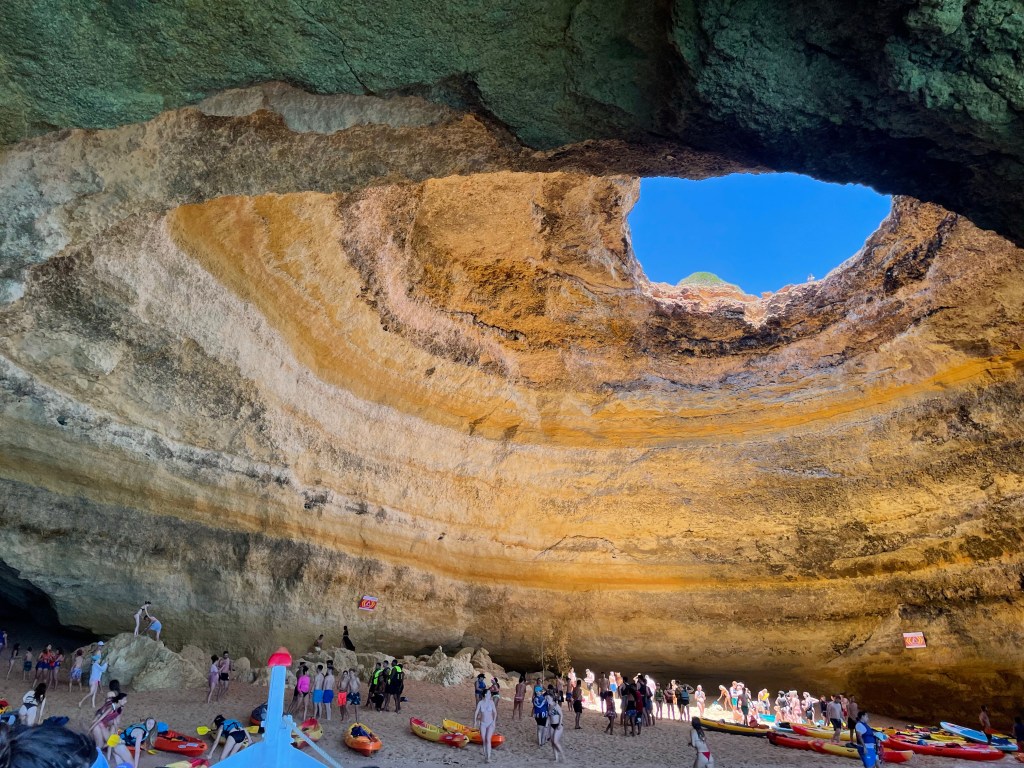
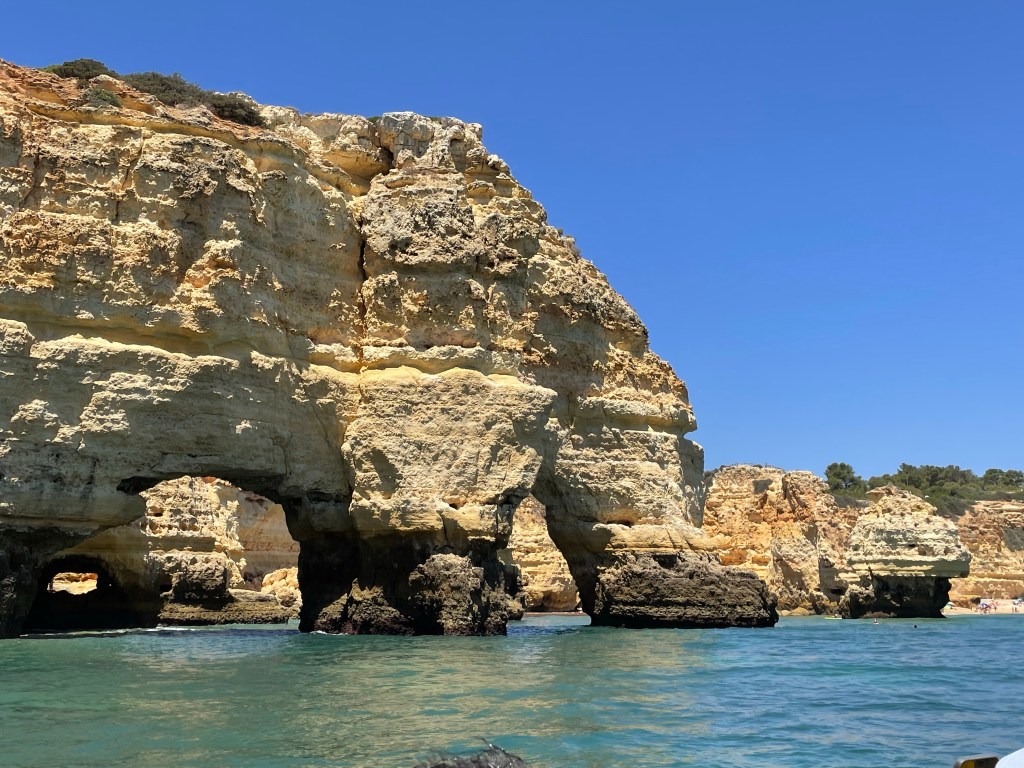
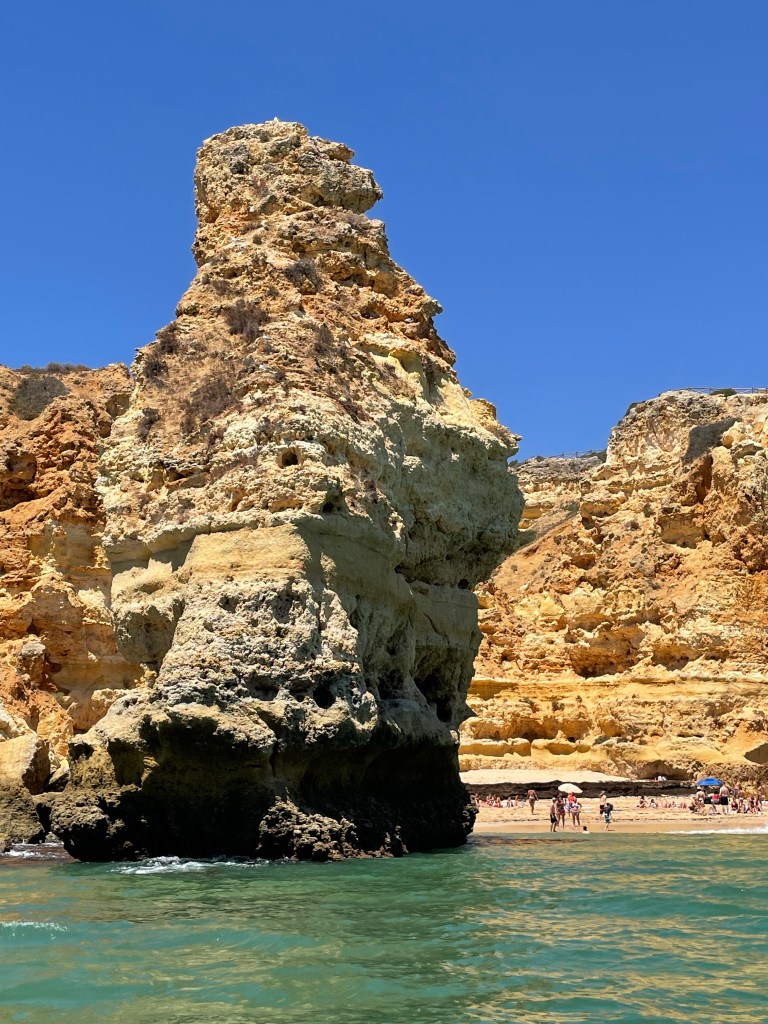
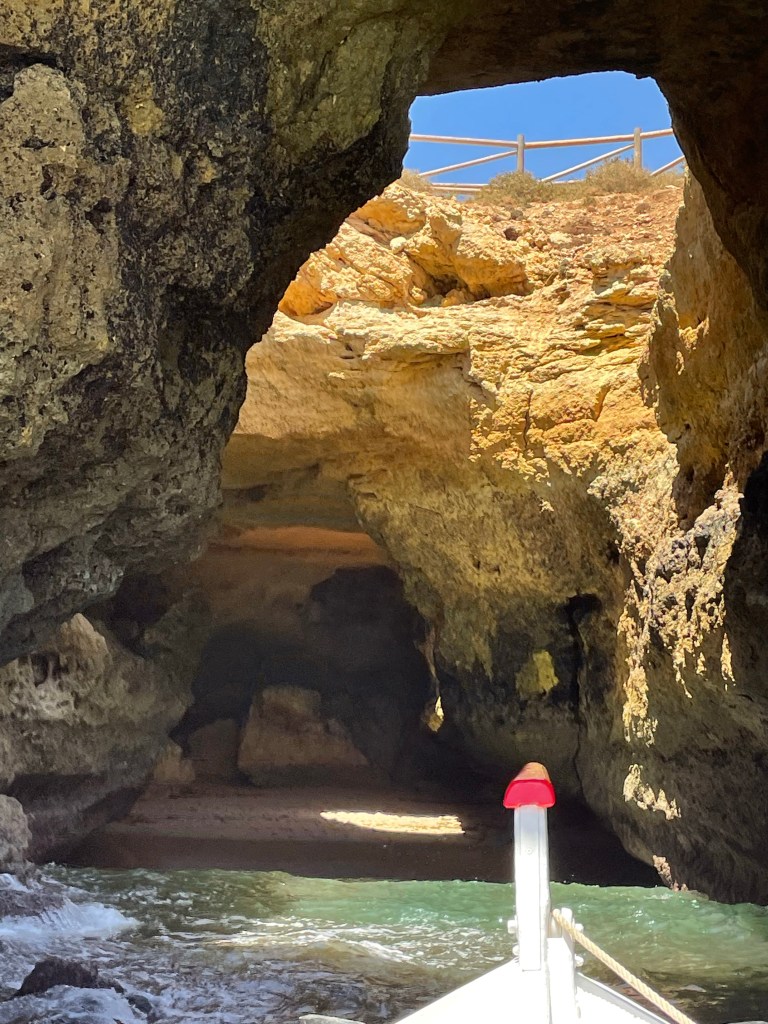
And it’s this beauty that of course leads to overtourism. The beach at Benagil was packed with European sunbathers assuredly trying to escape the heat of Britain, France, and Spain. The sea around the Benagil cave was chockablock with kayakers with boats like mine narrowly missing capsizing the smaller vessels. Another beach we saw on the boat trip, the Praia da Marinha with its elephant and gorilla, was almost completely inaccessible by land because police had closed the roads due to too many people. Somehow my Apple Maps GPS, possessed by the same demonic spirit of taking me up narrow, winding borderline impassable roads that I experienced from a Garmin GPS while driving in Ireland a decade ago, got me around some of the roadblocks, but only got me to within a mile of the beach trailhead. And in the heat of a 97 degree day, I wasn’t about to make that walk to see something from above that I’d already seen from the water.
Even more crowded was Lagos, one of the main towns in the region. Lagos is a small town whose historic center is solely a tourist center, much like the center of Mykonos. Unlike Mykonos, however, the shops and restaurants here are noticeably lower quality. The food is ordinary. The shops don’t sell compelling art but mostly trinkets. I ate one meal here at the only place I could find a reservation—a burger joint of all things. At least this place embraced the kitsch and went full on madness, even serving a sangria made with “green wine,” the vinho verde produced in the more lush regions in northern Portugal on the border with Spanish Galicia.
And that’s how I experienced the area, always having trouble getting into restaurants, having a difficult time finding decent food. Those were the loneliest times this week, wandering around oversaturated tourist trap towns with nothing in common with the other tourists and with nowhere meaningful to go while waiting for a late dinner reservation.
Ah loneliness. Have I told you about how lonely the last two years were, living alone, working from home, unable to travel, and for the first 15 months of the pandemic, stuck at home unable to see friends except in limited circumstances? How everything good in my life—travel, eating out, and most especially a sense of community—all but vanished? How it felt like I was reliving the other darkest times of my life, both of which were associated with severe loneliness: being friendless in my middle school years, and working horrifically long hours treating children with cancer without a well-developed social network to go home to in my first year in Houston? Do you know what the loneliness of having no friends is like, or of burnout is like, or of realizing you’re not like everyone else because you’re “the nerd” or worse “the queer?” Do you know what the loneliness of being 43 and never having been in a long term relationship is like, how that makes you think you’ll be alone forever? All of this while actually being an extrovert, meaning that I get energy more from being around people than being by myself? I don’t mind being alone on a trip such as this when I’m being awed by nature and culture on a long journey such as this, but when I feel a lonely moment in a crowd of people, sometimes I feel the loneliness of decades.
But there is balm too. A couple weeks ago when I was in Hawaii, the thought “the season of ruminating on the past is over; now is the time for new experiences” came to mind. And so on one day, after wandering around the empty, all-white, searing hot, creepy village of Tavira, I drove the to the Praia da Falesia.
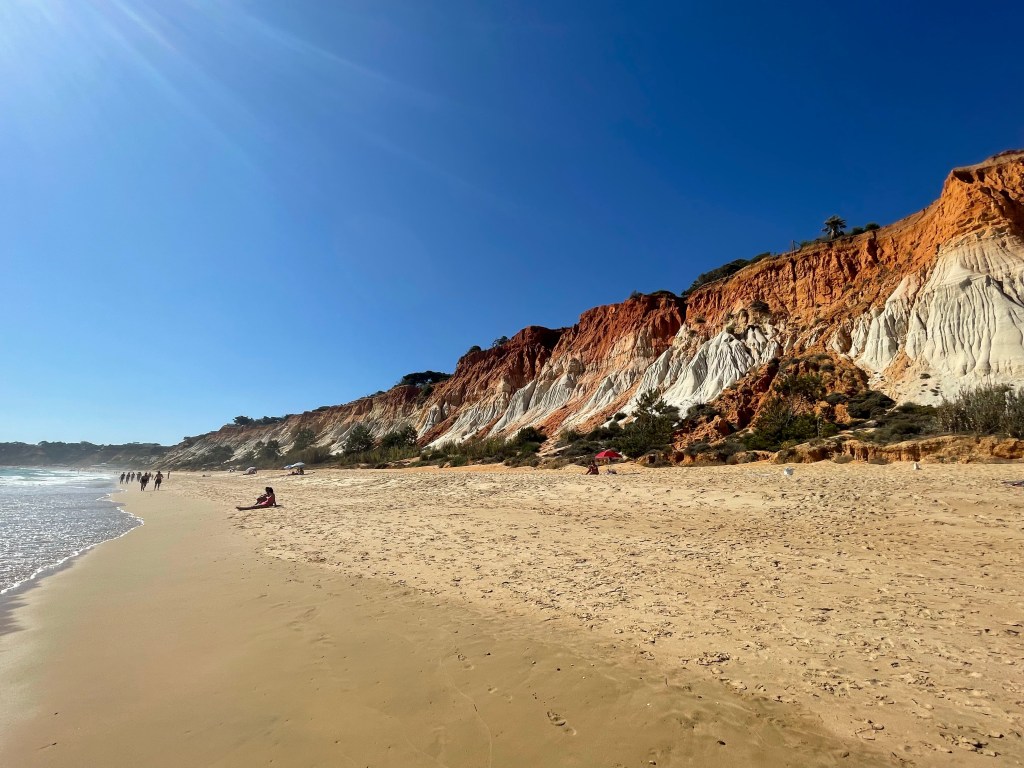
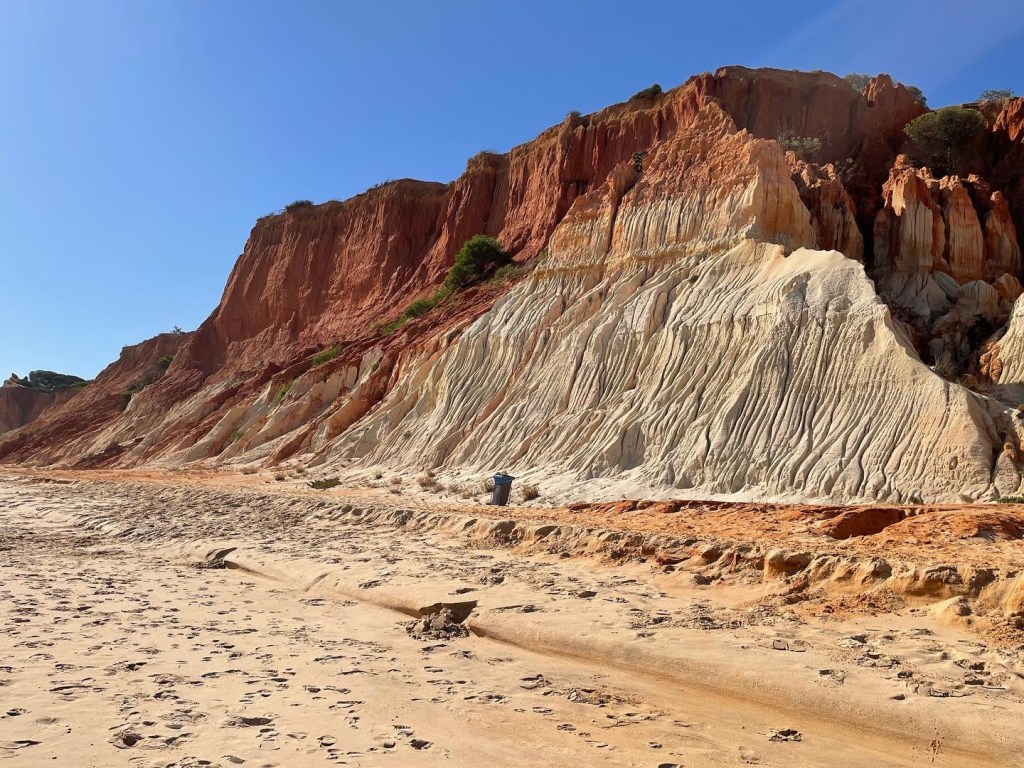
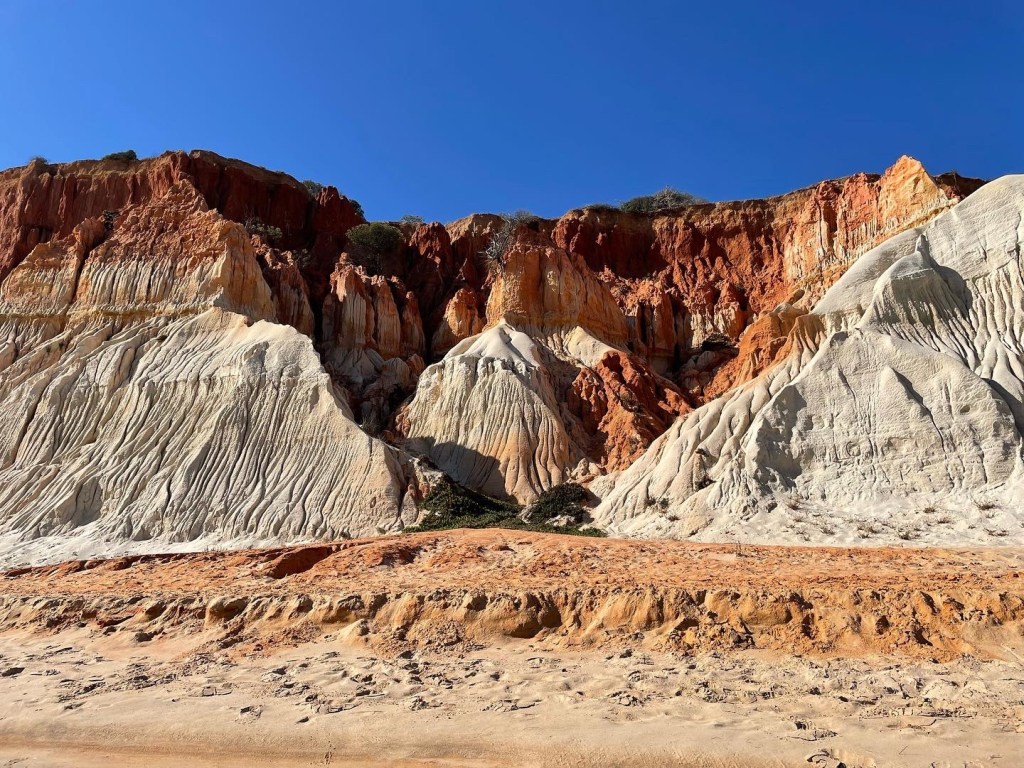
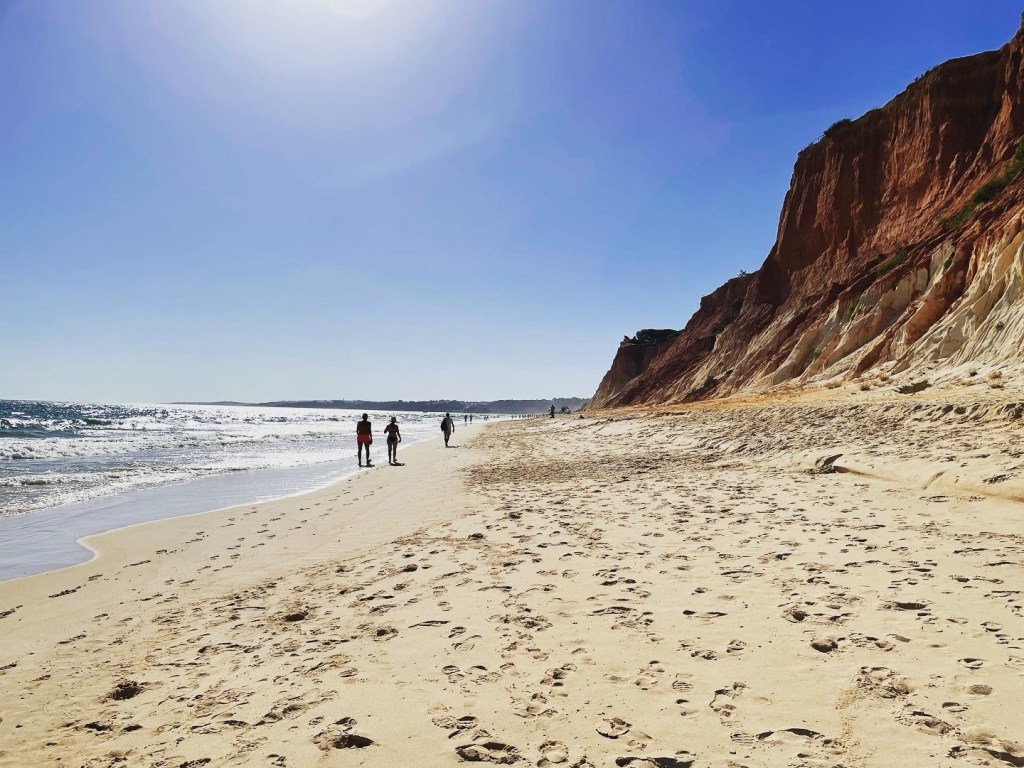
I’ll add creepy pics of Tavira later when my wifi is better, I promise. This is the Praia da Falesia. Praia da Falesia is a beach backed by cliffs. It is crowded with beach goers near the steps at its entrances, but it is so long that eventually the crowds thin out and you are able to have more than enough space to yourself. I don’t like sitting on the beach when I’m by myself—I get bored quickly—but I took a walk in the surf for a few miles. The breeze took away the heat of the day. And the negative thought loops, the ruminations on loneliness, I’ve been stuck in during the last 2 years seemed to wash away in the gentle Atlantic surf.
-
Porto: hot take and pretty pics
Porto, I’m not sure I’ve ever been to a city that was in equal measure so pretty and so uninteresting. Ok maybe Carmel too. 🔥
But you are pretty so I will share some pics.
ALSO. Daddy got a new camera lens. Let’s see how these came out. Unedited as yet—I haven’t had time to adjust these in proper software. It took me a hot minute to realize that my camera was only transferring compressed images to my iPhone, so here are some full fat pics best viewed on a larger monitor. Unless of course WordPress decides to compress them.
For those of you that care about such things, these pictures were shot on a Sony a7III full farm mirrorless camera with a FE 4/24-105 G OSS lens. I’m still learning how to optimize it.
First view of Porto coming down a cable car 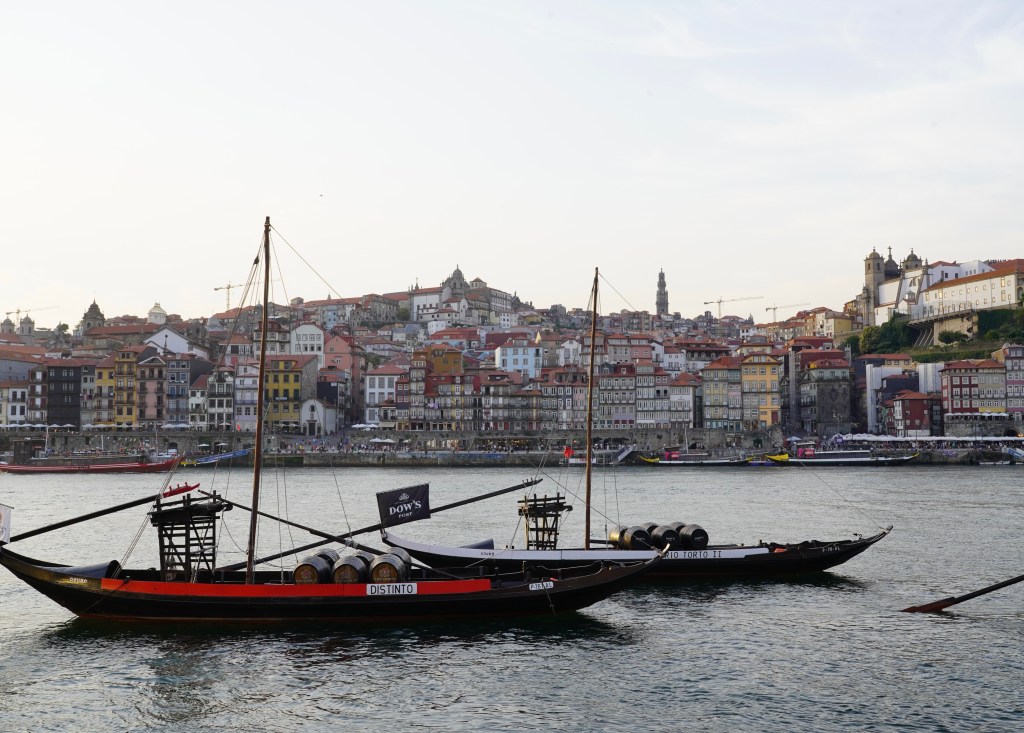
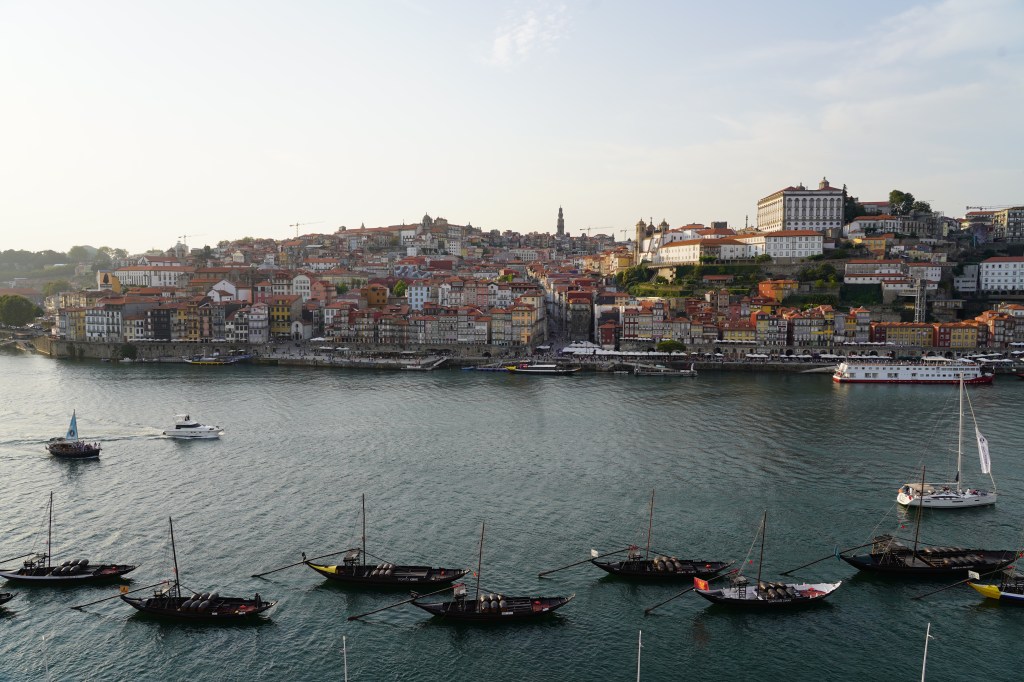
Historic boats carrying port. Touristy? Yes. Pretty? Also yes. 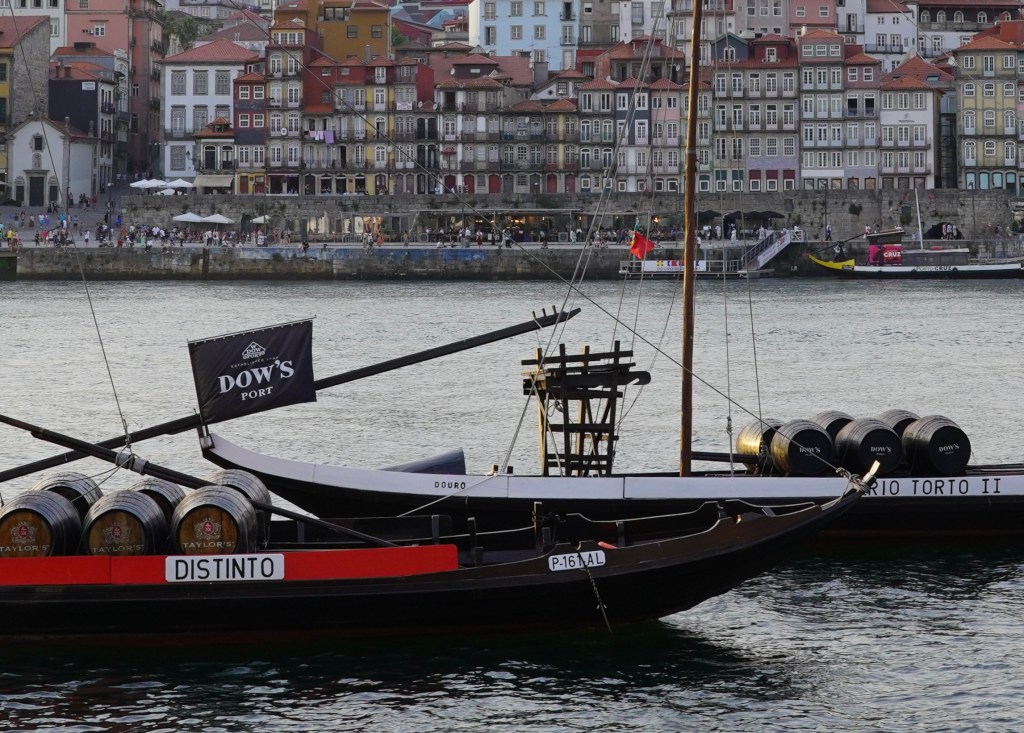
Exact same picture, but cropped to highlight resolution 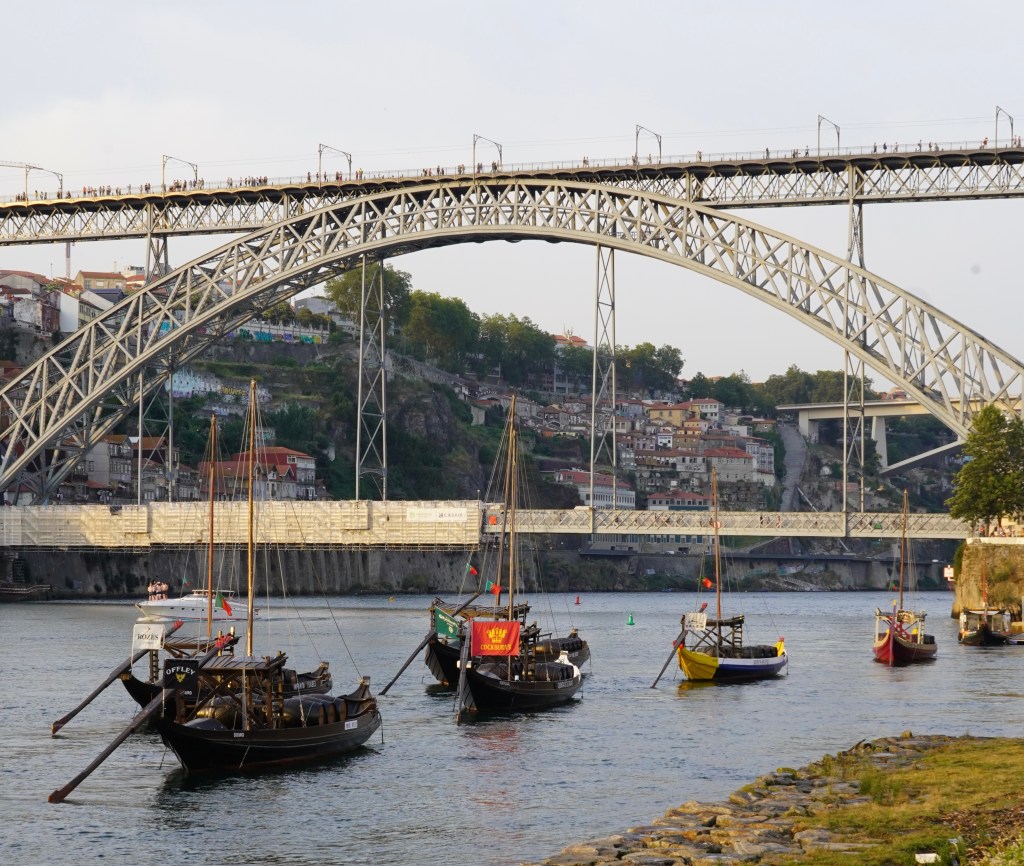
I particularly like how the high resolution captures the text on the red flag 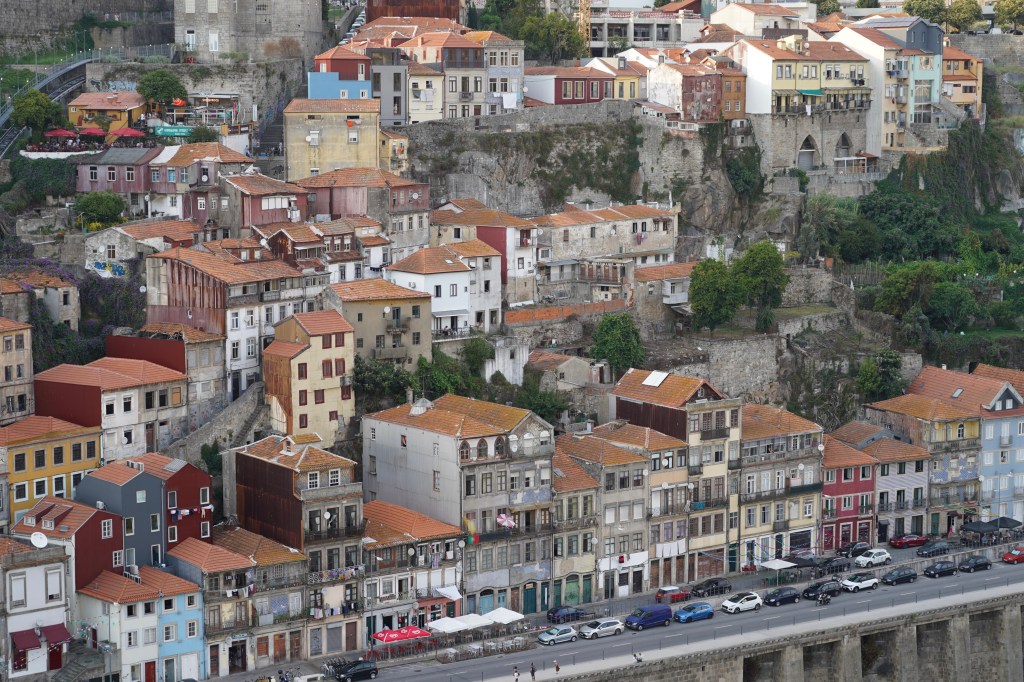
I love zooming in on this one, there’s so much going on 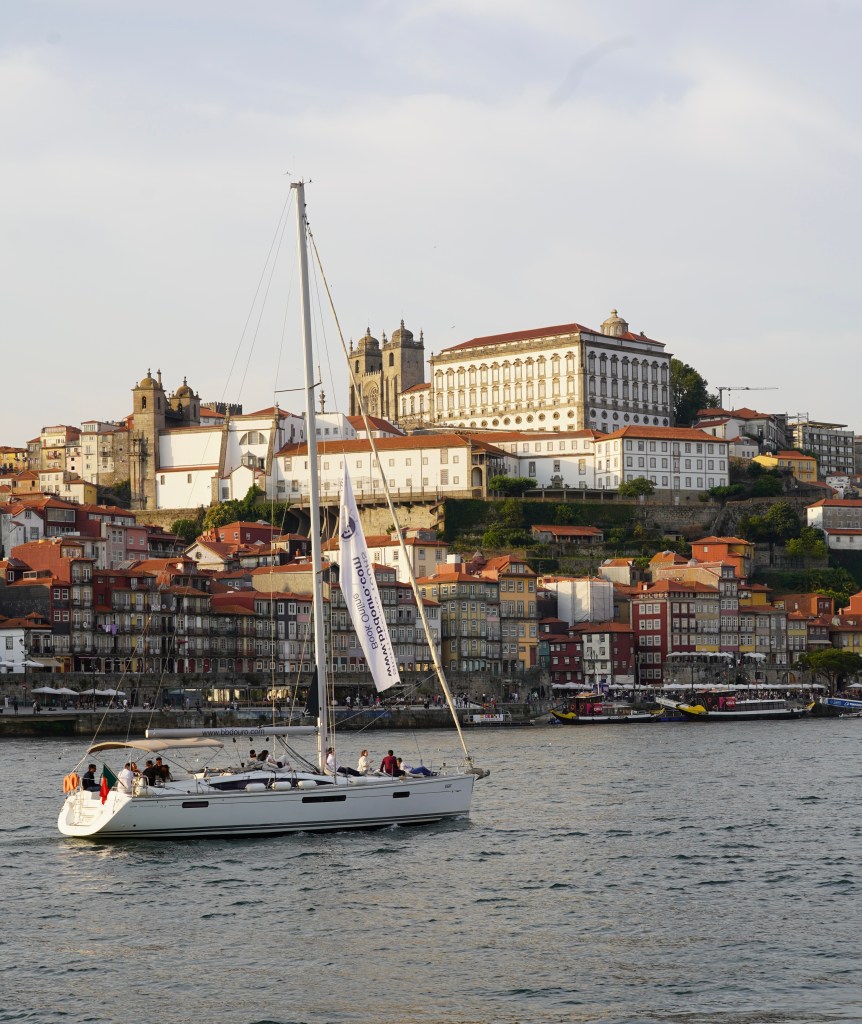
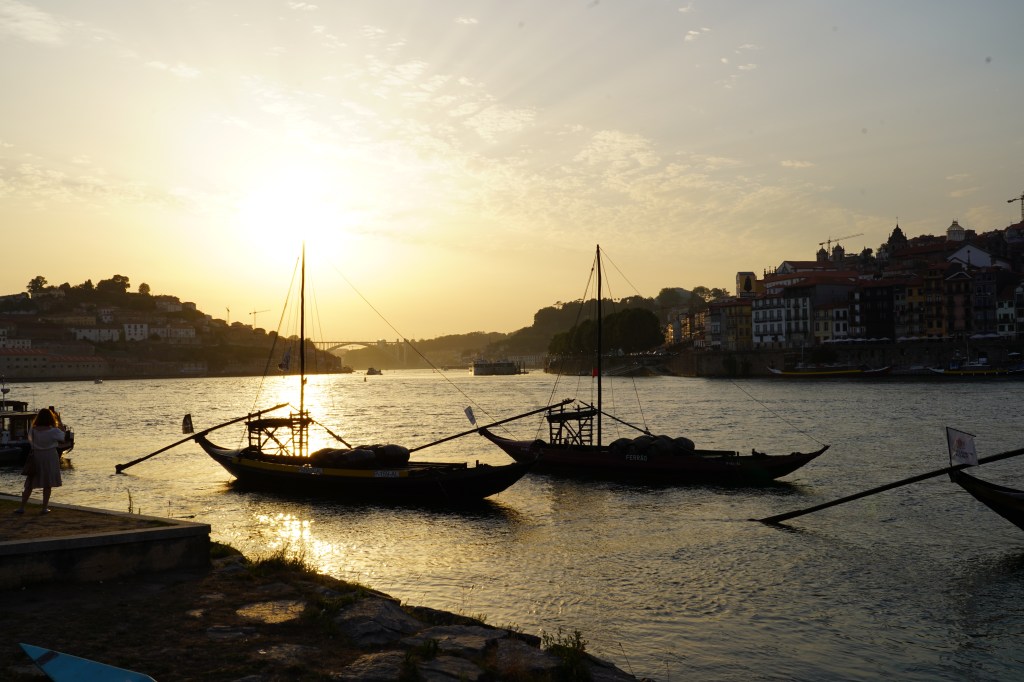
Sunset over the Douro river 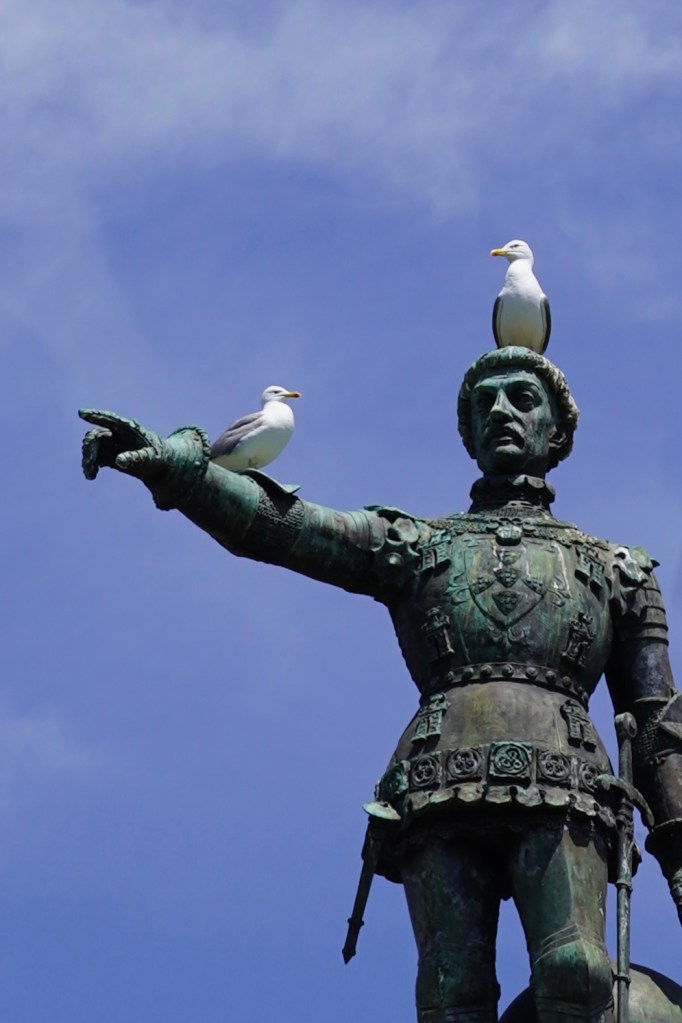
Prince Henry the Navigator, and anti-colonialist seagulls. This statue was 50 feet up on a pedestal far away in the center of a square, so I never could have gotten this pic with an iPhone. 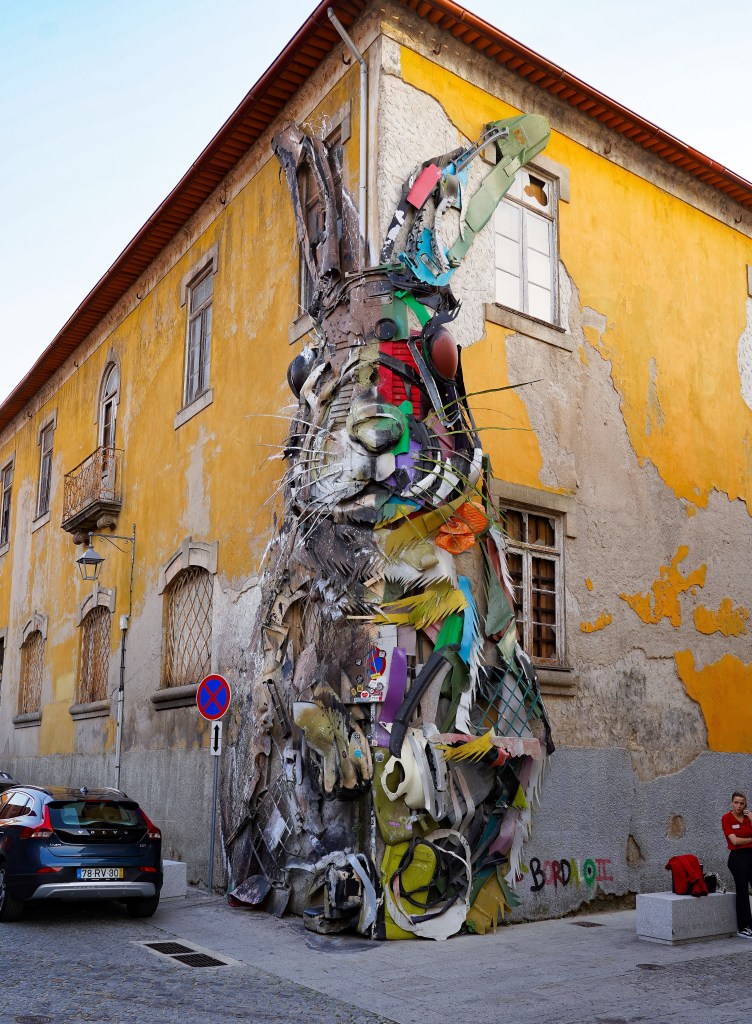
OK I might have played with this one on Lightroom 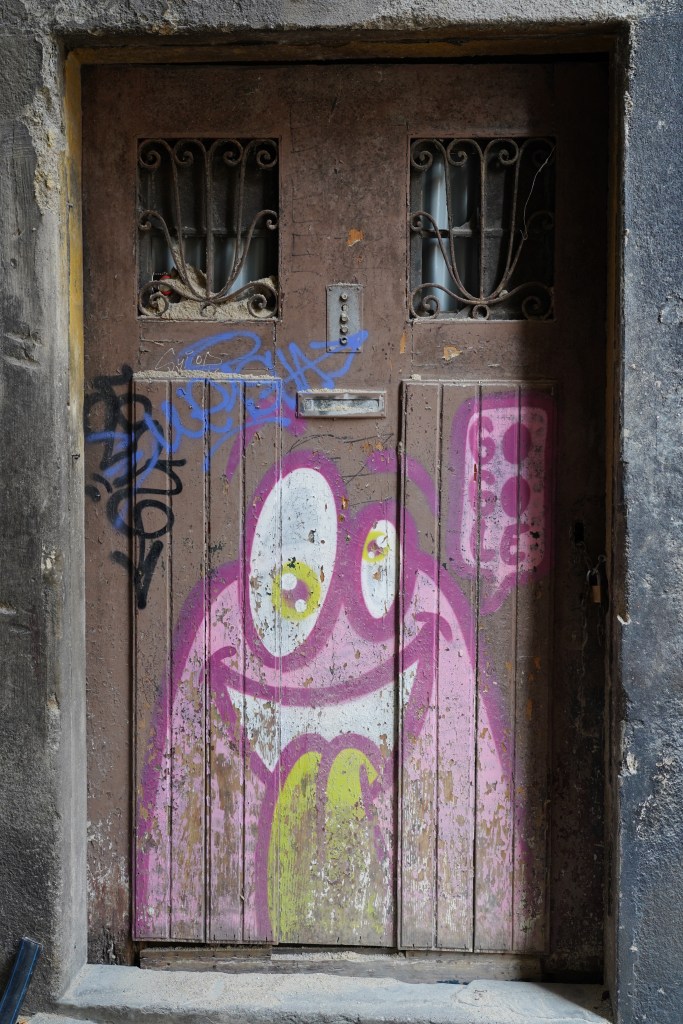
I love how the flecks of paint are so sharp in this one 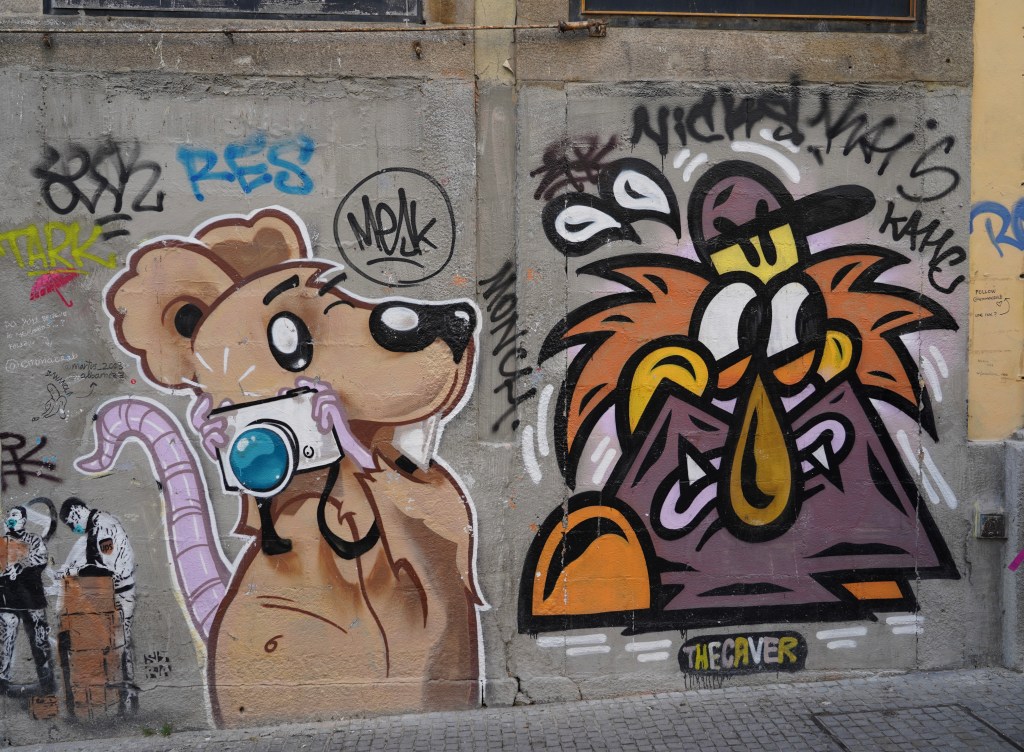
-
Notes from Lisbon
I arrived in Lisbon 2 days ago. The main story so far has been the heat. Much of Europe is sweltering under its worst heat wave in possibly 200 years. Wildfires have been sparked, closing nearby tourist areas such as Sintra that luckily I’ve visited before.
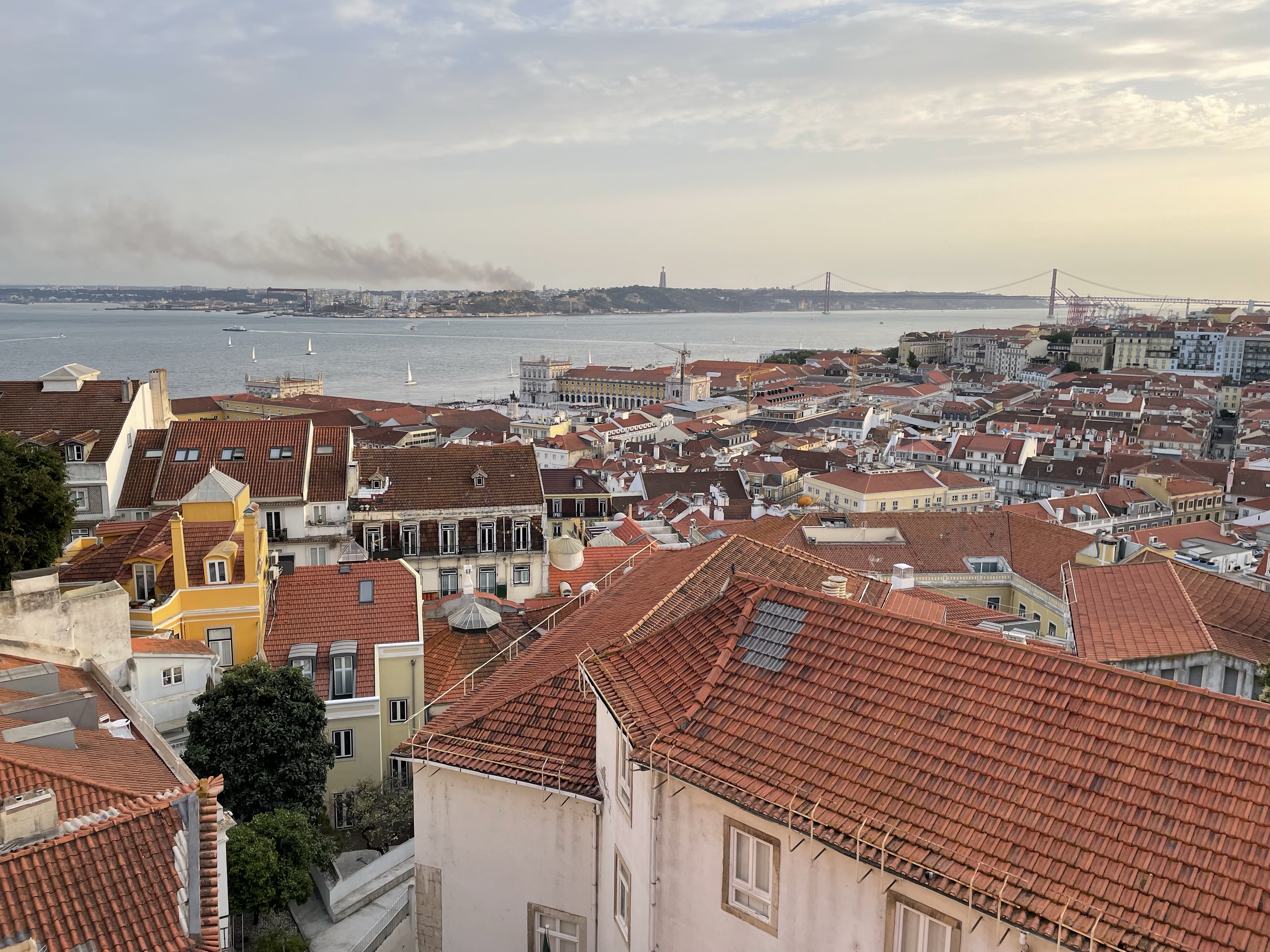
Wildfire across the Tagus Thursday. Also, my hotel room view. Lisbon reached 103 on Wednesday, but luckily has been around 90 the last 2 days, and my next 2 Portuguese stops will be cool.
But the heat is causing me to rethink whether to go to Italy next month at all. Milan and Florence have been in the high 90s or higher recently, with no signs of improvement.
At any rate, Lisbon has been a chill destination for me—really a way for me to get my bearings in Europe in a place I’m familiar before I go to new destinations. But I have a better feel for the city now as well. Some random sights for you:
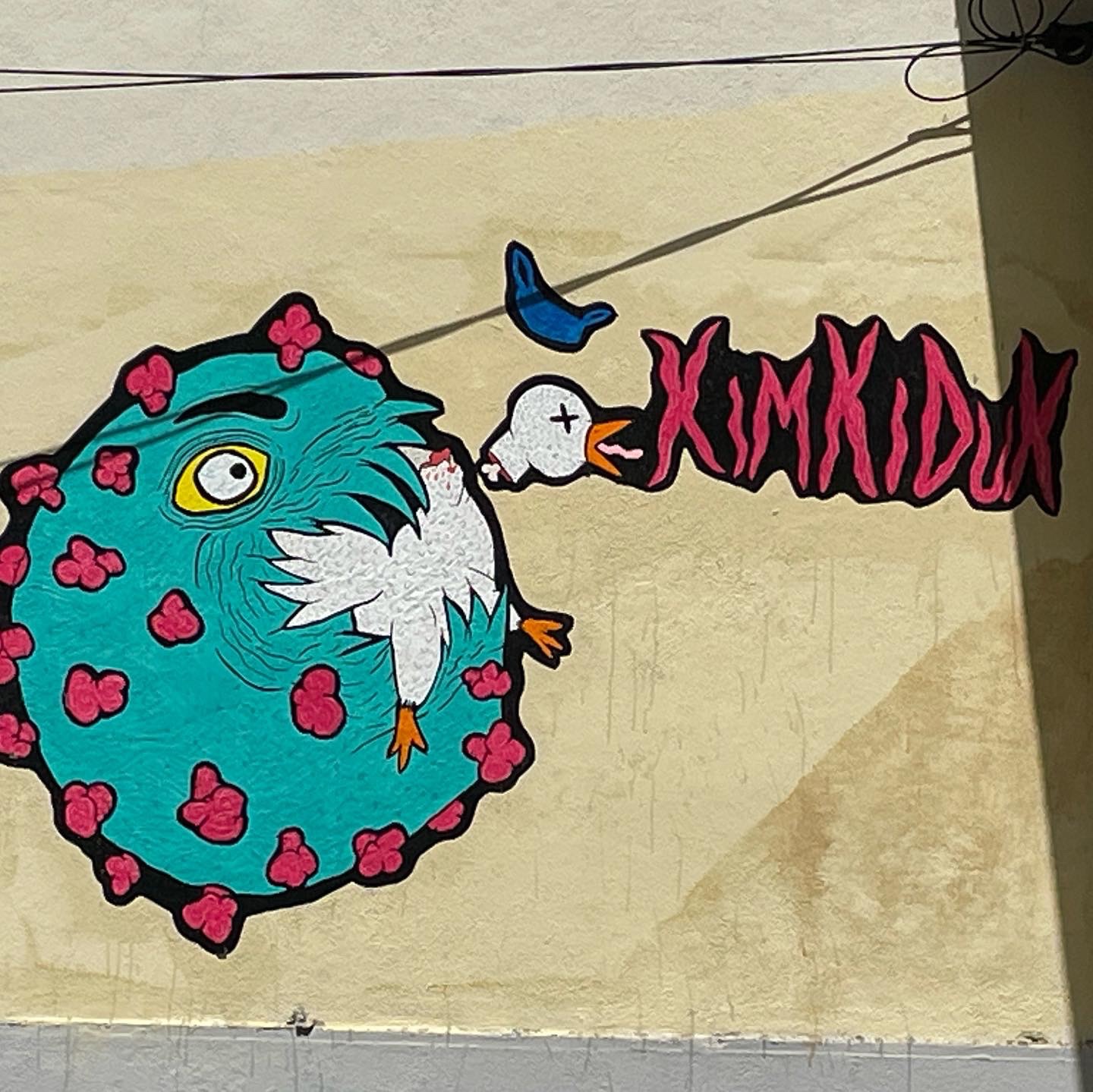
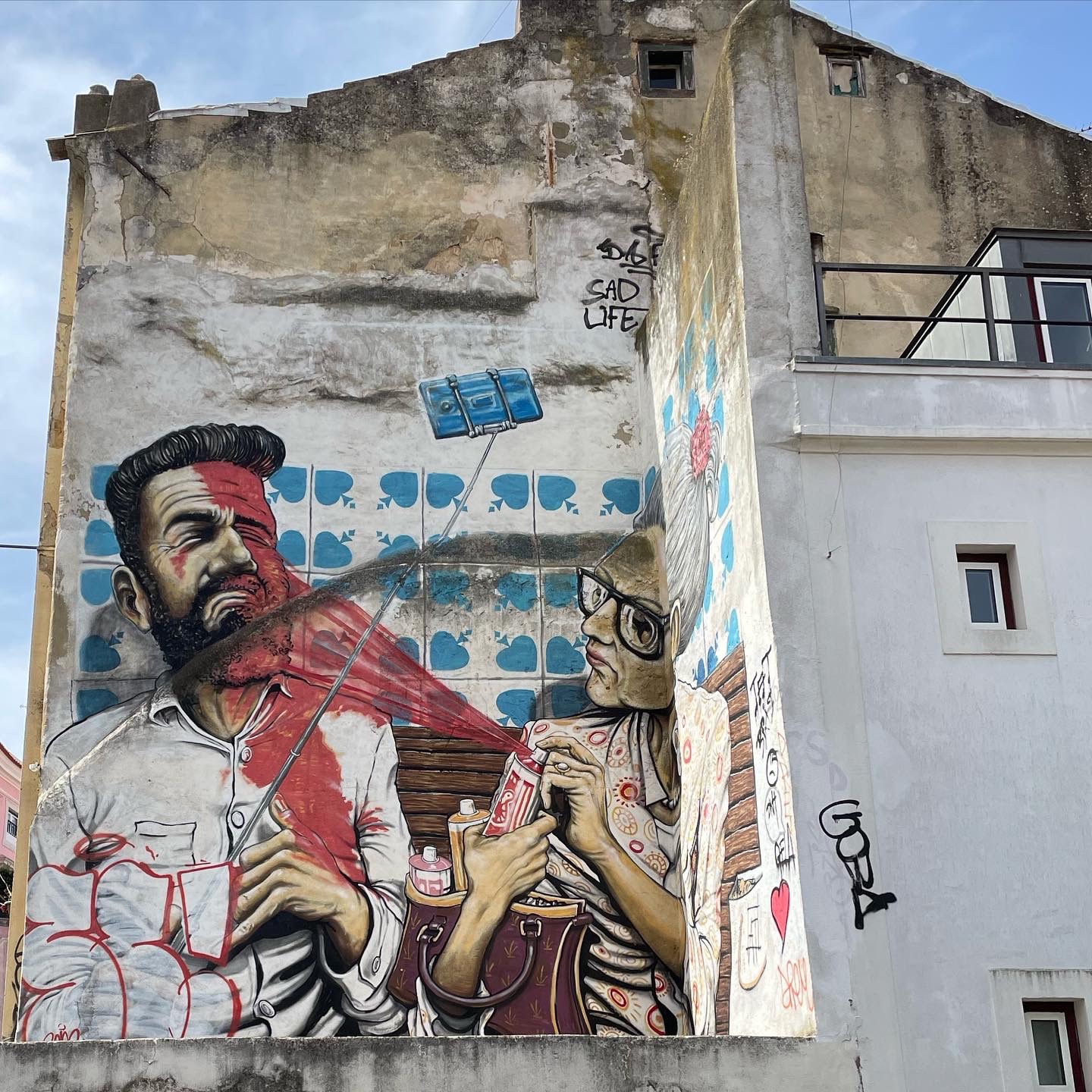
Lisbon has incredible street art, and although I’ve seen some of it before, this trip has been no disappointment in that regard.
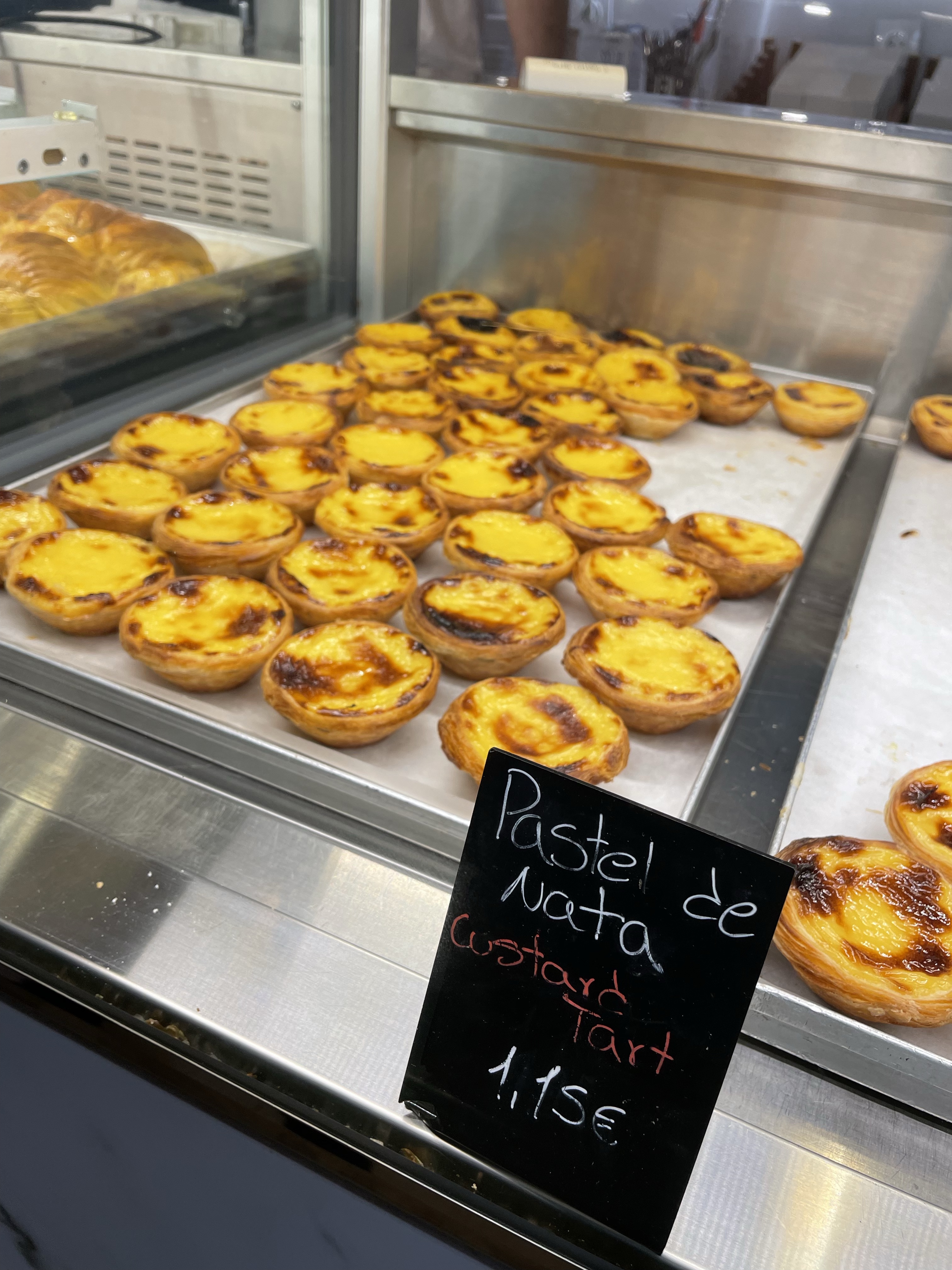
Pastel de nata These are pastel de nata, a Lisbon-specific sweet custard tart cooked in a very hot oven (400C, or about 660 degrees Fahrenheit). They are sooooo flaky, much like a lot of the guys I’ve tried to schedule dates with in San Francisco.
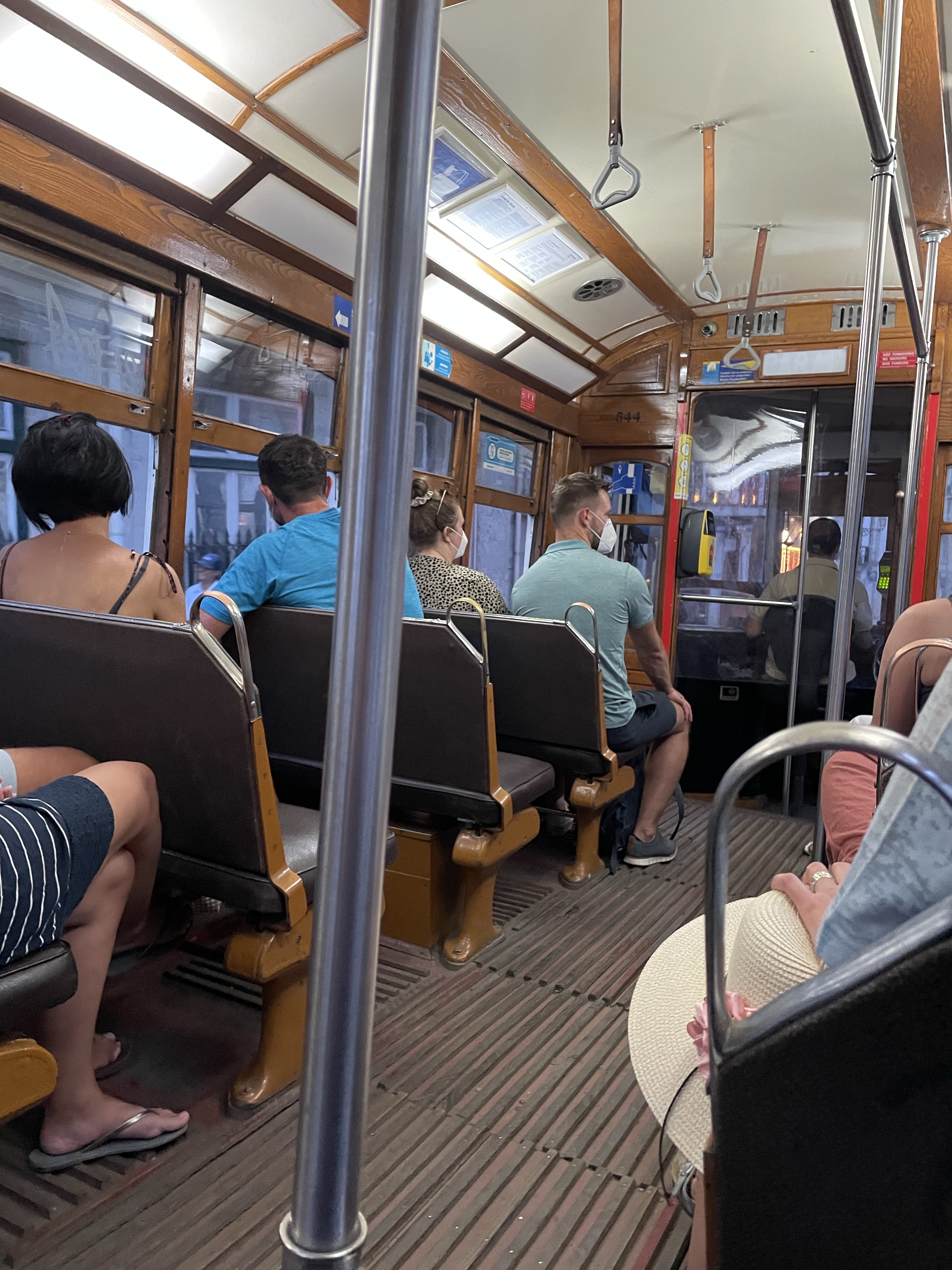
The #28 Tram This is the #28 tram that connects the hills on the east and west sides of downtown Lisbon. It’s necessary for me to take this tram if I want to get to Bairro Alto or other points west in the city. It’s basically Lisbon’s cable car, but a little newer. Here’s pics of some other trams I took years ago.
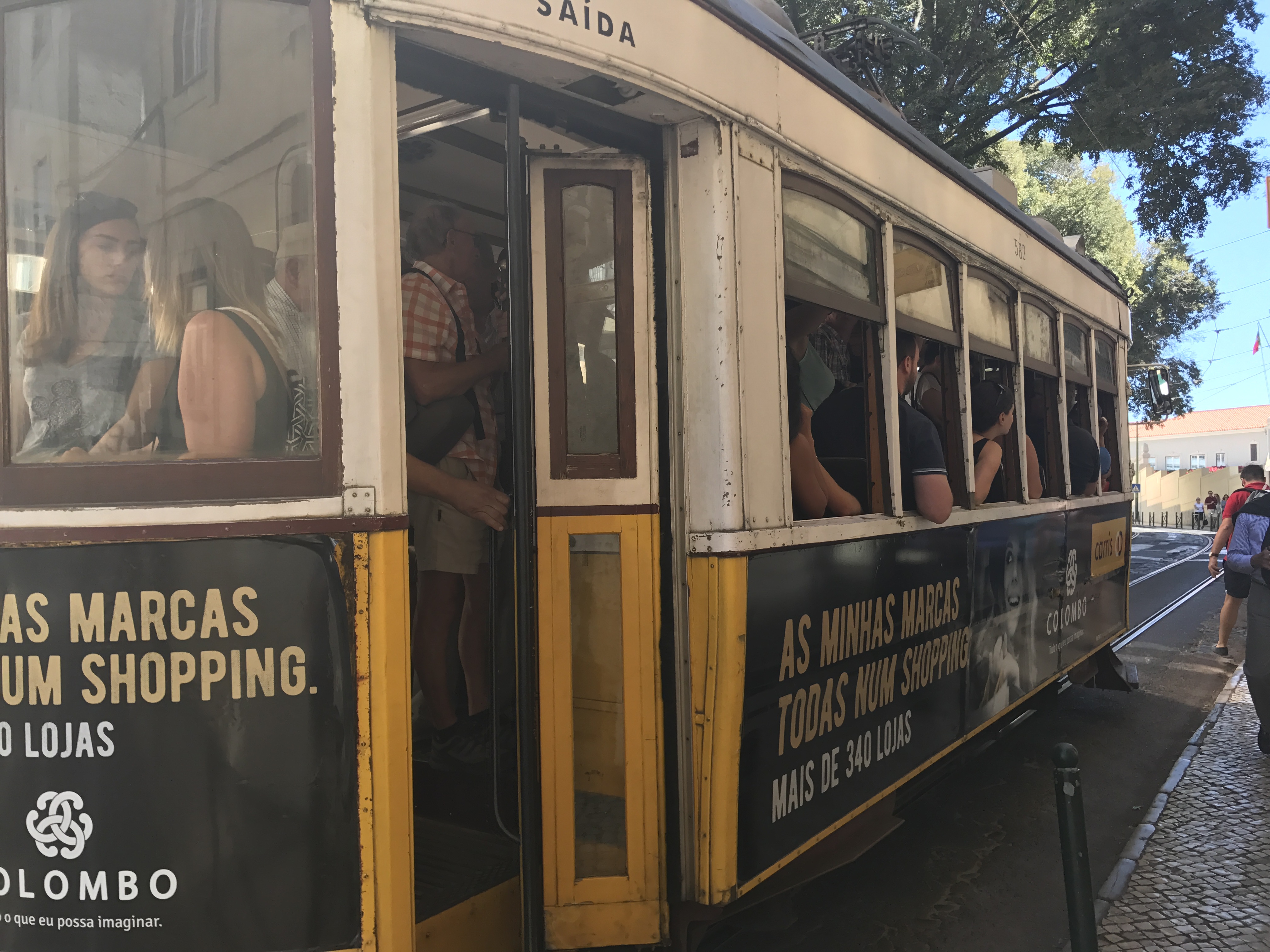
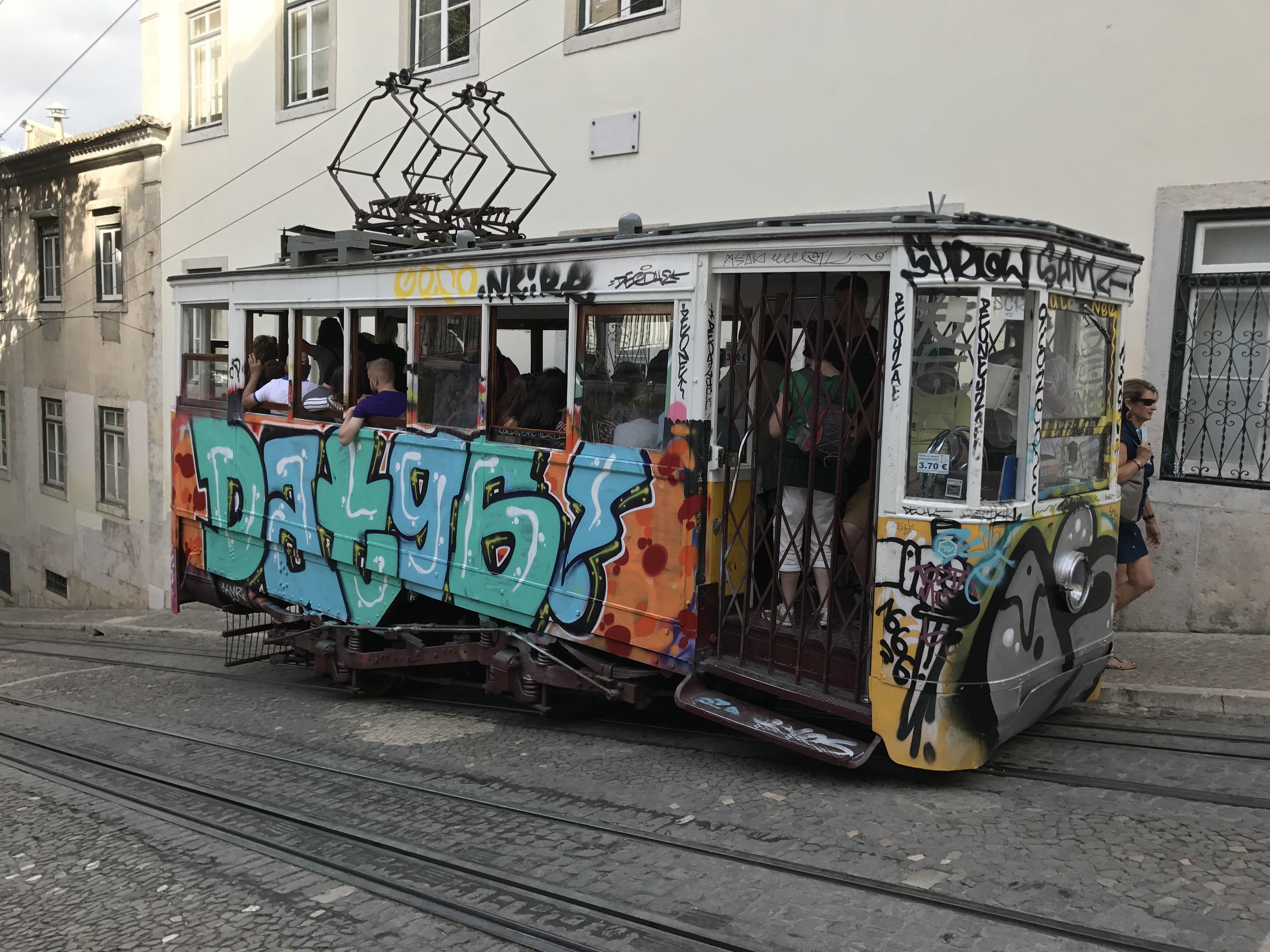
The #28 tram, and a funicular that goes up a hill. I also went to the Jeronimos monastery west of the city yesterday. It’s one of the few buildings that survived the 9.0 earthquake in 1755 that lasted 7 minutes and leveled the city.


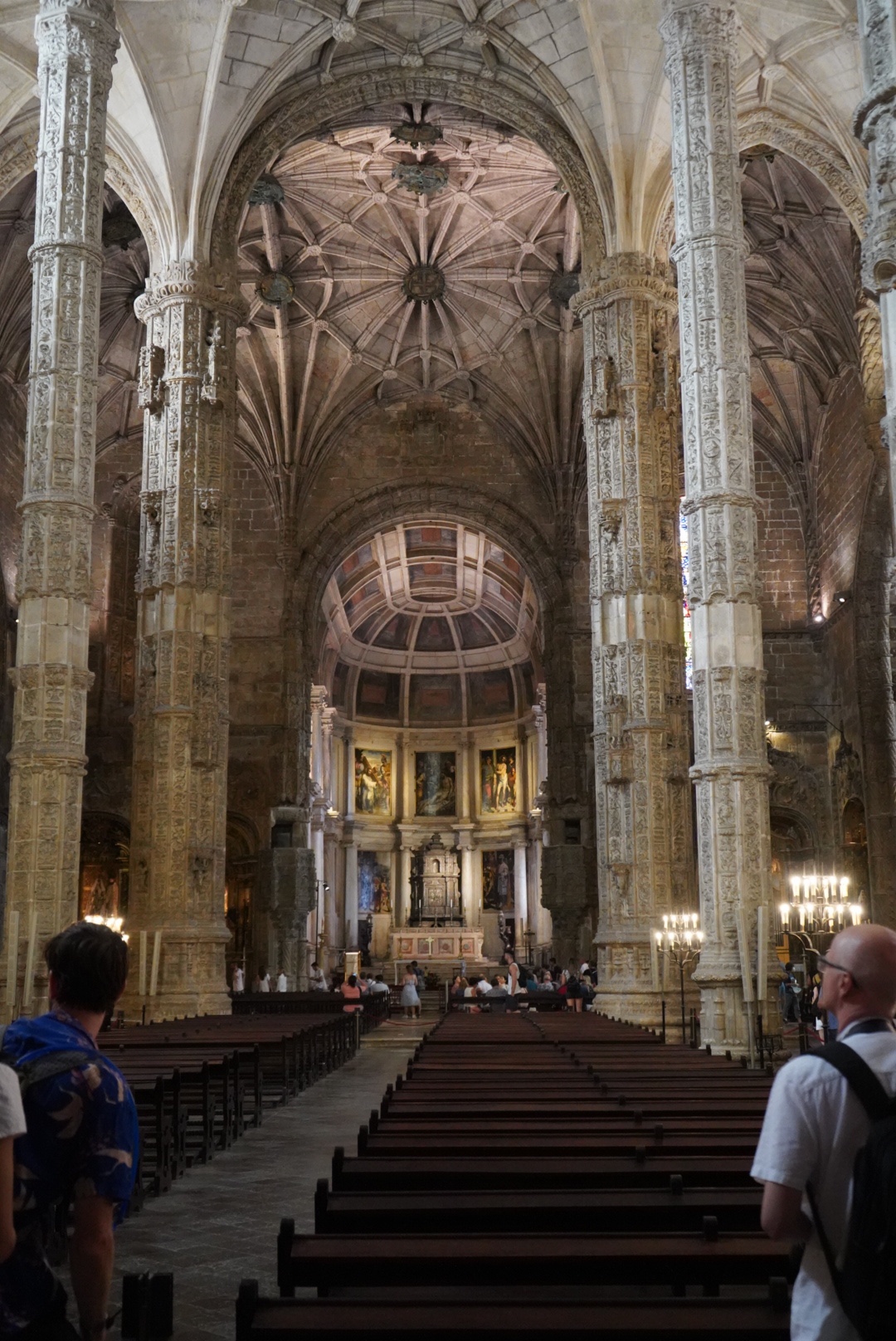
Lisbon does not have the “wow” factor that a lot of other European capitals have. But it makes up for it in charm and energy. Going out at midnight, the streets are still full of people. The first time I came here, I remember the nightclub district being packed at 2 am.
I will say, however, that the food I’ve had has been unspectacular. Lisbon has a good food scene and I’ve had good meals, but its authentic local cuisine is lacking. I went on a food tour that included canned sardines on toast and overcooked cod. There’s something to be said for authenticity, but this was like going on a food tour of California and getting In ‘n Out Burger, or chili in Cincinnati—it’s comfort food if you were raised on it, but it’s just meh to everyone else. I said what I said, California and Cincinnati.
Off to Porto tomorrow. More dispatches to come.
-
Majesty: Kauai, my first gay wedding, and Hawaiian queer visibility
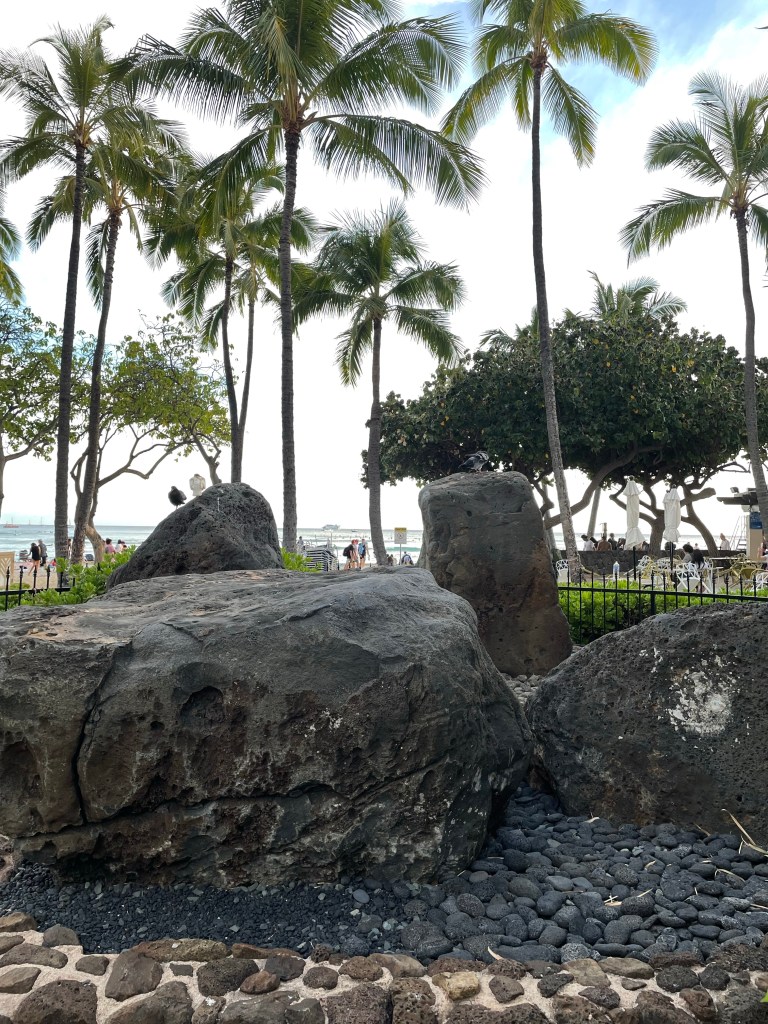
This story ends with rocks covered in pigeon poop.
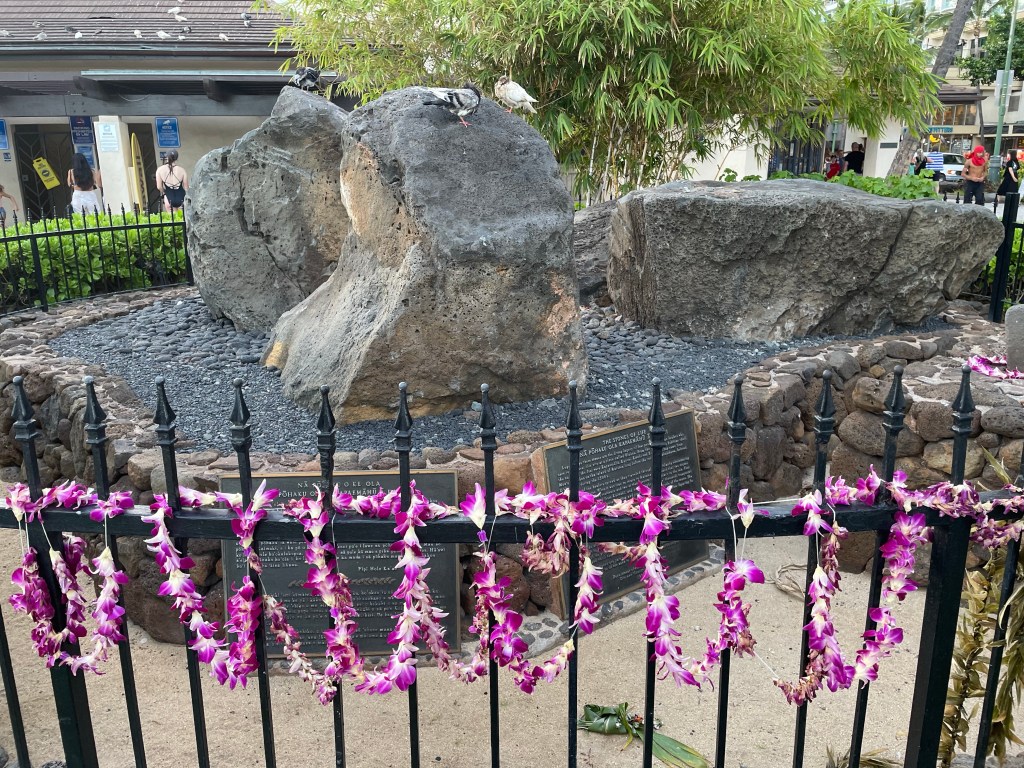
But these are no ordinary rocks. They are the Healer Stones of Kapaemahu, located on Waikiki Beach. The pigeons, however, do not have such provenance. We will revisit these stones later after we look at some other rocks covered in other things.
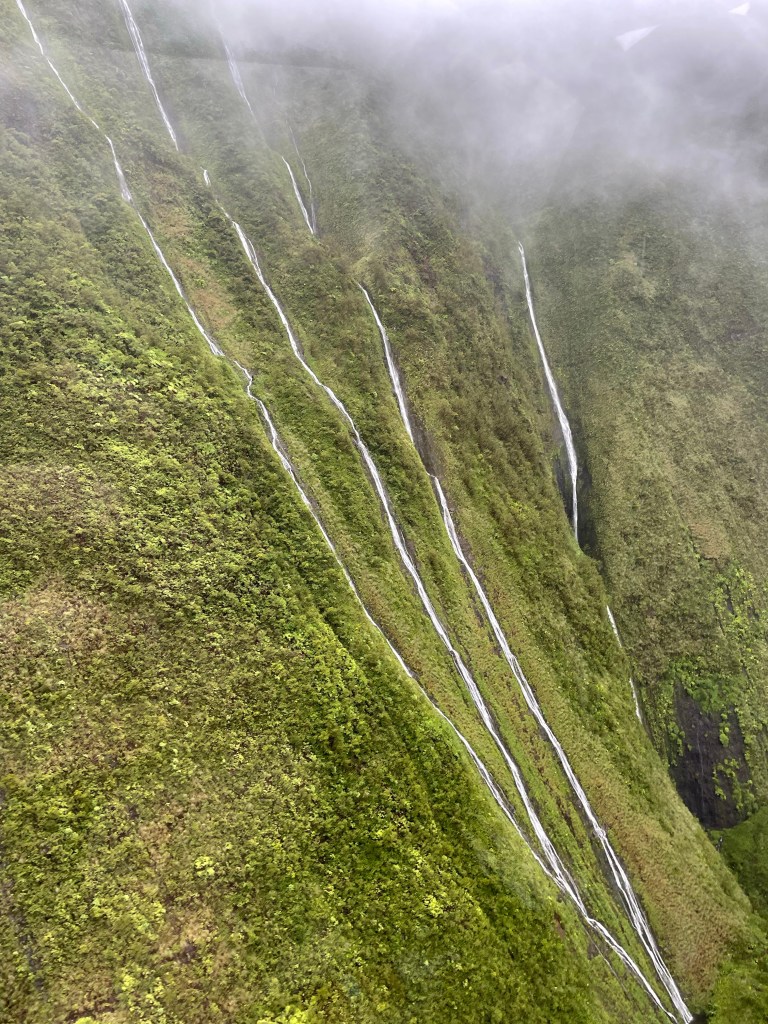
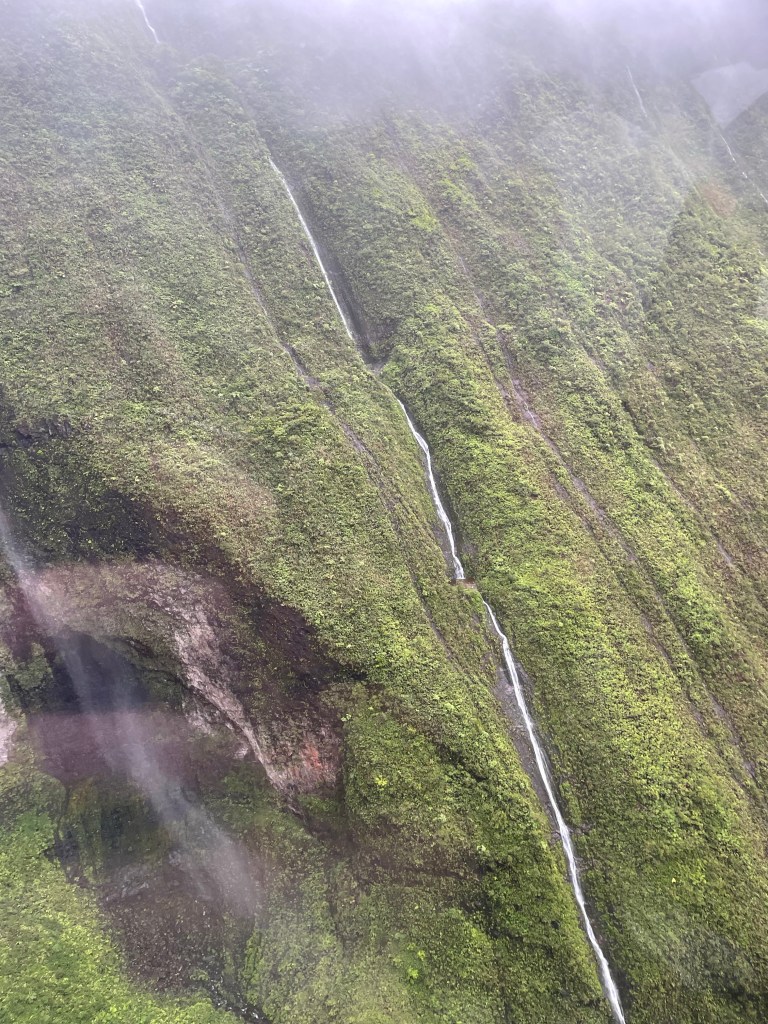
Mt. Waialeale Here’s something a bit more obviously majestic. These waterfalls are located in the rainiest spot in the US, descending from the peak of Mt. Waialeale, the volcano from which Kauai was formed. You can’t access these waterfalls any way except by helicopter. In fact, there’s quite a lot of Kauai that can only be accessed that way. So here are some of the highlights of my helitour.
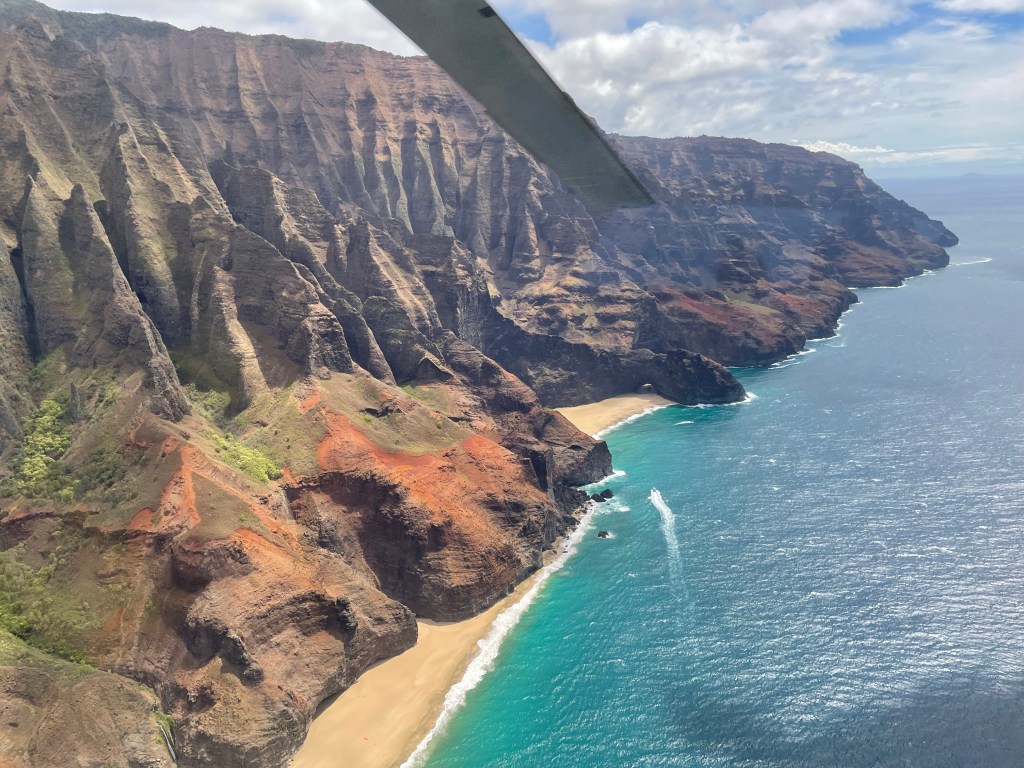
The Napali coast 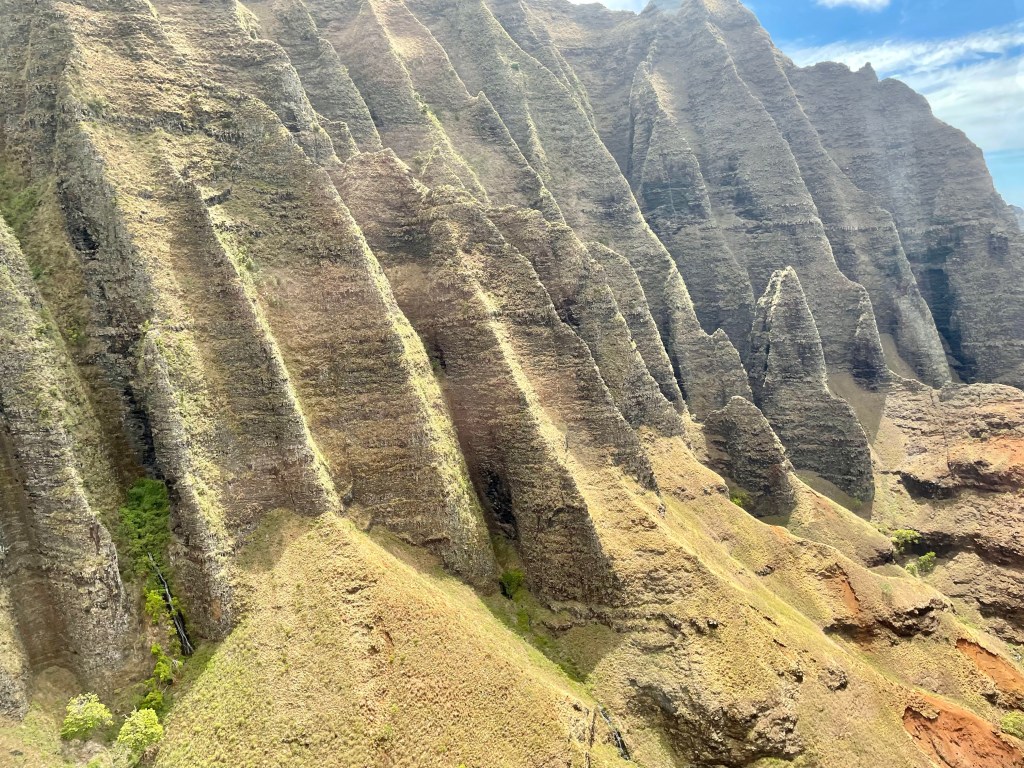
The Cathedrals, Napali coast 
Napali Coast 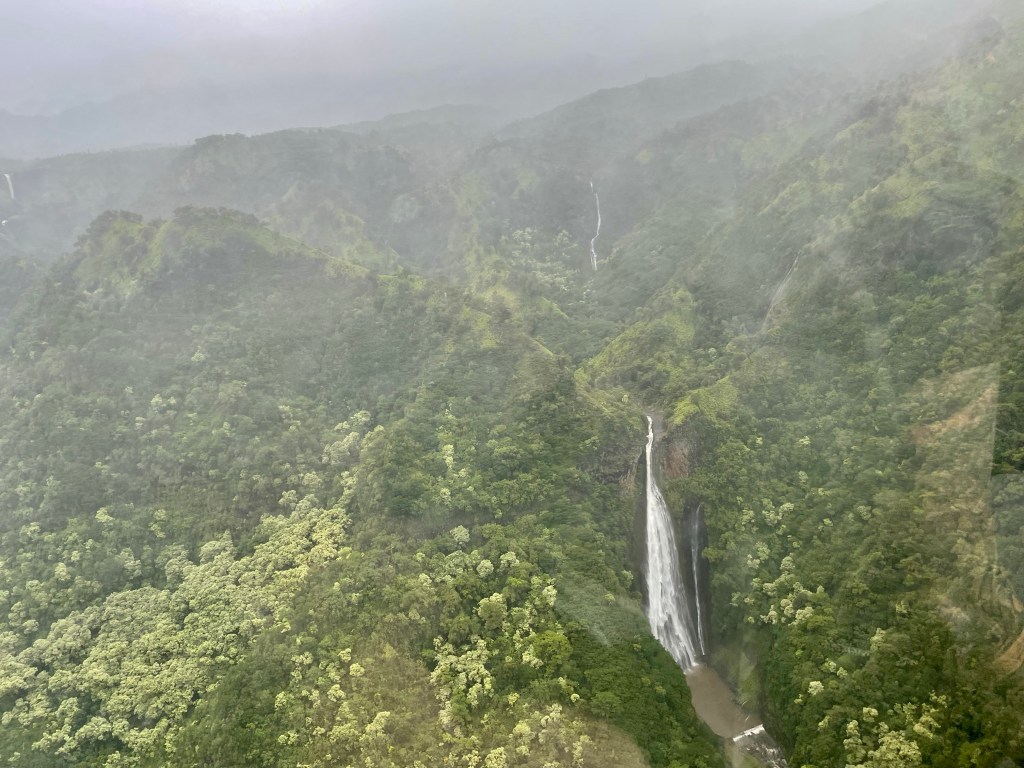
Manawaiopuna Falls, in the privately held Hanapepe Valley. Better known as Jurassic Falls—the waterfall in front of which a helicopter landed in Jurassic Park. 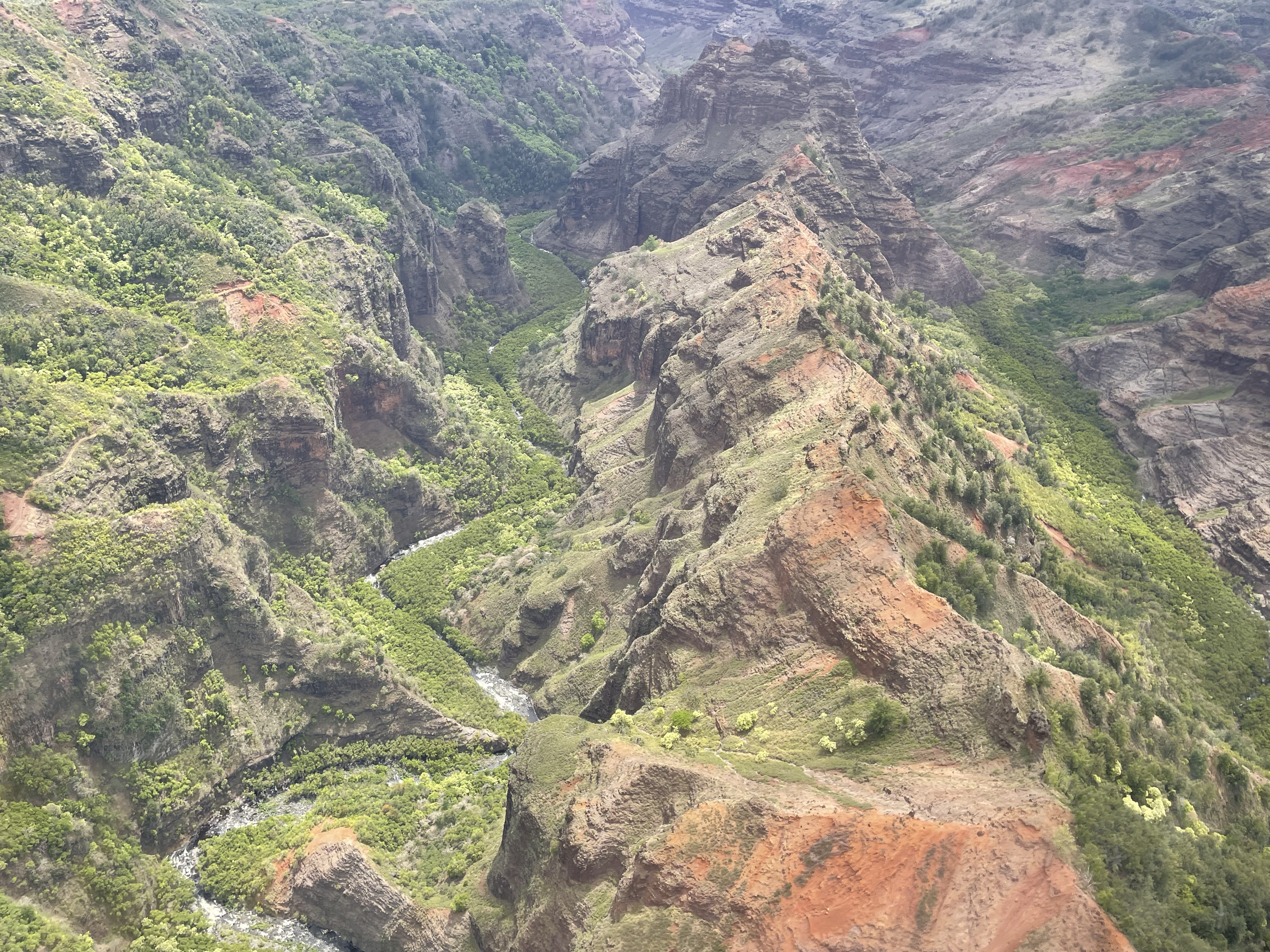
Waimea Canyon So then I went to Honolulu for my friends John and Chris’ wedding.
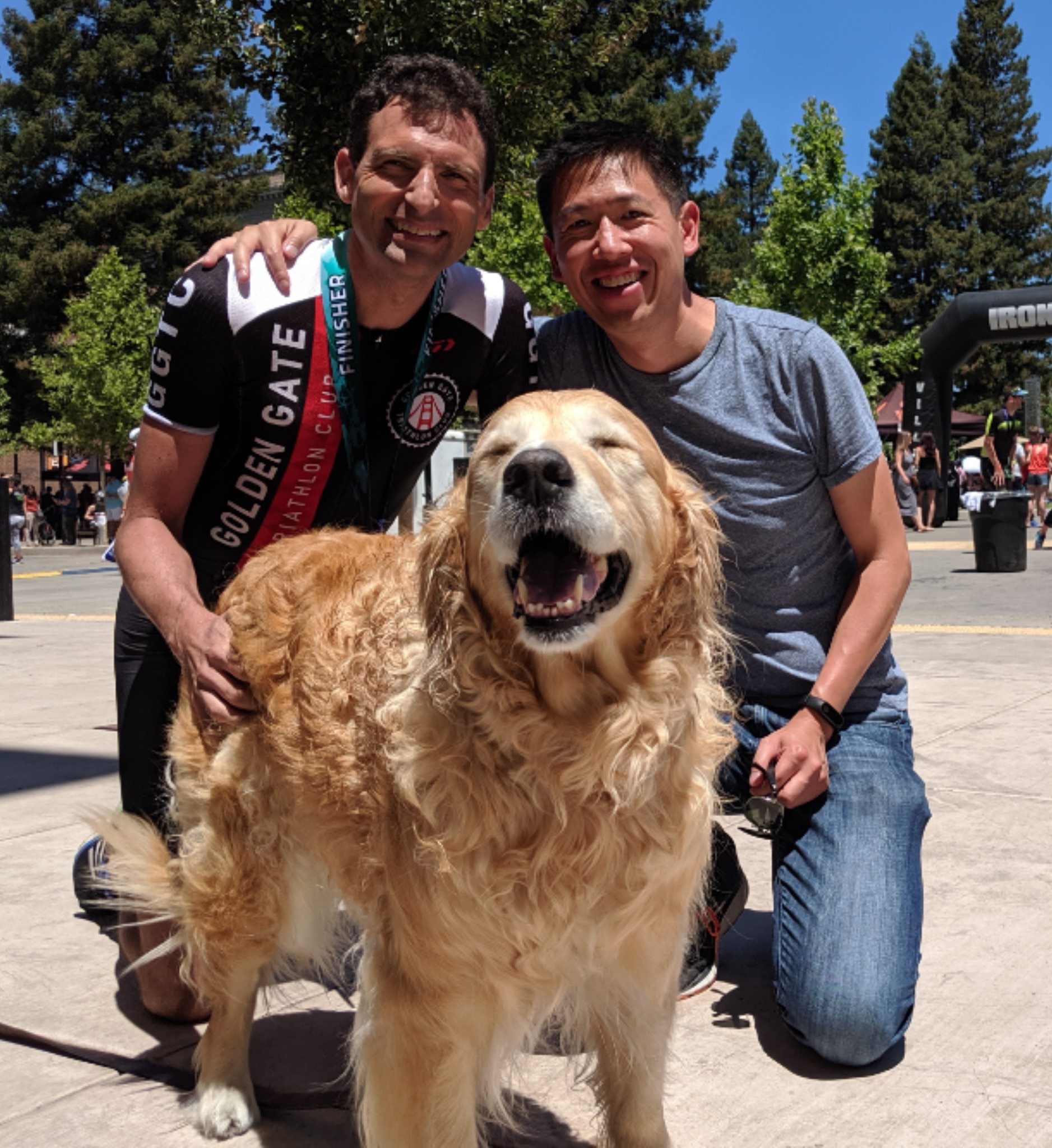
Chris and John, and their dog Ruku, who tried and failed to give herself a bowel obstruction while I dogsat for her once, but that’s a story for another blog post. She’s a good girl. The wedding venue was unimaginably stunning, even if my pictures don’t do it justice. They were married at Kualoa Ranch on the north shore of Oahu. Jurassic Park (that movie again) was also filmed here.
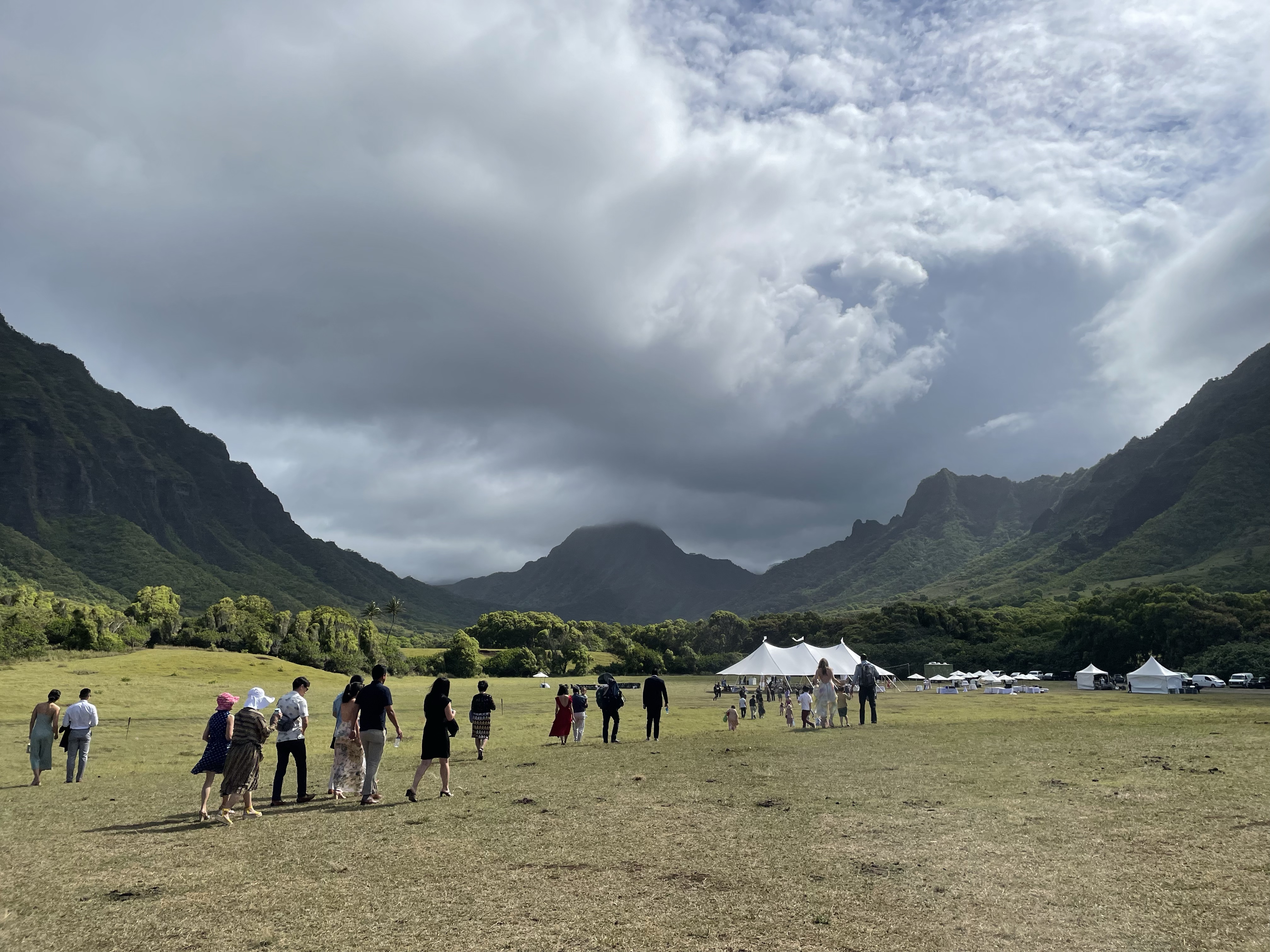
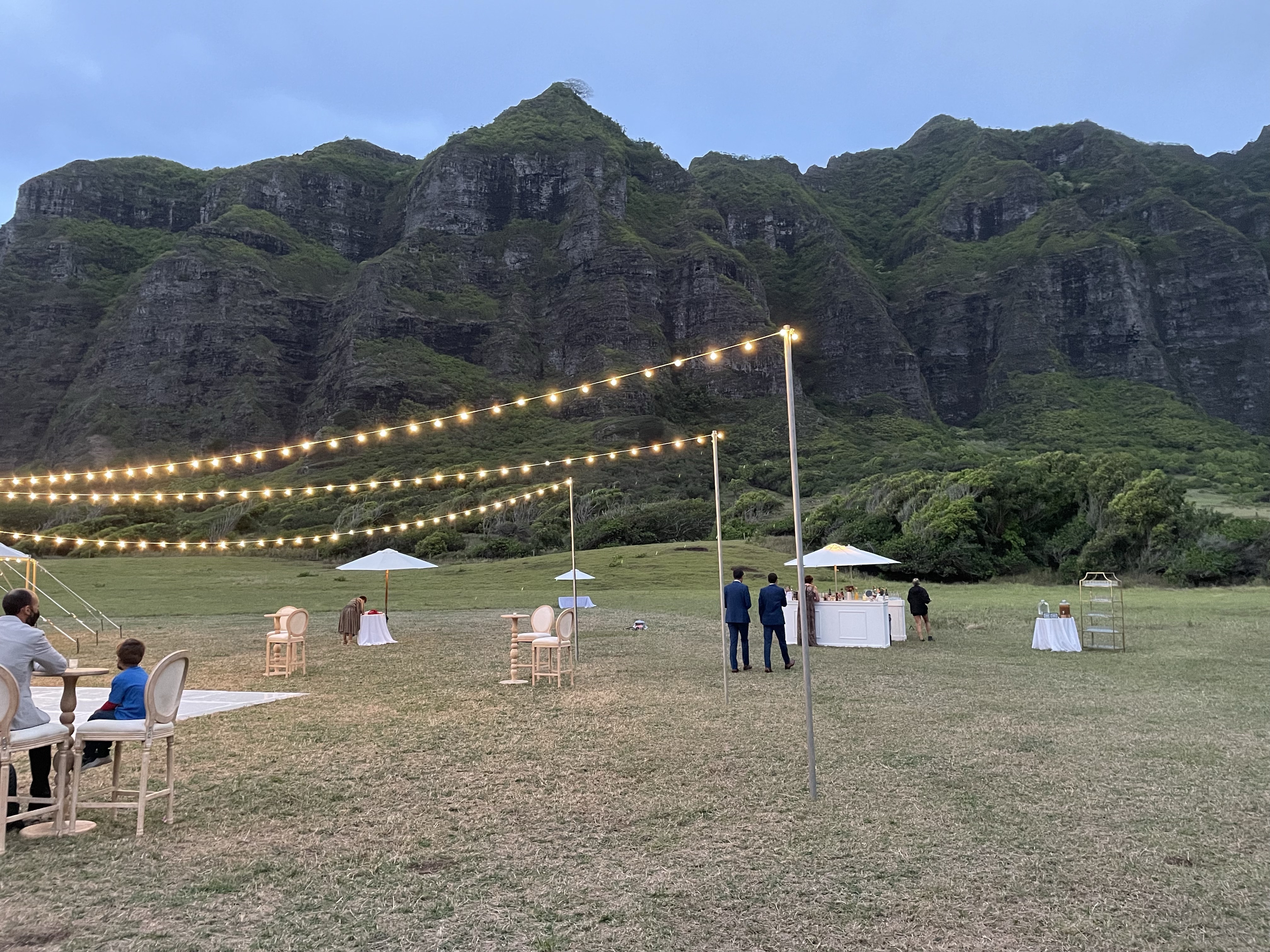
It was my first gay wedding. If you’re wondering how a gay wedding is different from a straight one, well, there was a lot more discussion of Evelyn Waugh and T.S. Eliot at this one than any wedding I’ve attended before. Then again, these guys went to Harvard, so maybe that’s a *Ivy League* gay wedding for ya.
Side note: Ivy League grads are far more overrepresented in my friend groups since living in SF than ever before. Go figure.
Also side note: the wedding made the New York Times! The New York Freaking Times!!!
I don’t know that I had much of a reaction to it being a gay wedding. I was too excited celebrating my friends’ happiness to contemplate what being at a gay wedding for the first time meant to me. It took an unexpected museum exhibit to trigger those thoughts.
At the suggestion of a friend of mine who’s now a Honolulu local, I went to the Bishop Museum. Its focus is Hawaiian history, so for instance I learned about how Sanford Dole and other late 19th century plantation landowners overthrew the Hawaiian monarchy and effectively made Hawaii a territory at first not of the US but of corporations.
They had a special exhibit called the Healer Stones of Kapaemahu that I had not planned to see but happened to check it out. The exhibit described what it’s about better than I can:
The Healer Stones of Kapaemahu exhibition explores the past and contemporary meanings of four large stones that were long ago placed on Waikīkī Beach to honor four māhū, extraordinary individuals of dual male and female spirit, who brought healing arts from Tahiti to Hawaiʻi. Although the stones have survived for centuries, the story behind them has been suppressed and the respected role of māhū erased.
https://www.bishopmuseum.org/kapaemahu/Much to my surprise, it was an exhibit about queer healers! The exhibit started with an animated film about the legend of the healers with dual male and female spirit. The stones actually exist—they are located on Waikiki Beach, and were hauled there by native Hawaiians centuries ago, prior to their discovery of the wheel.
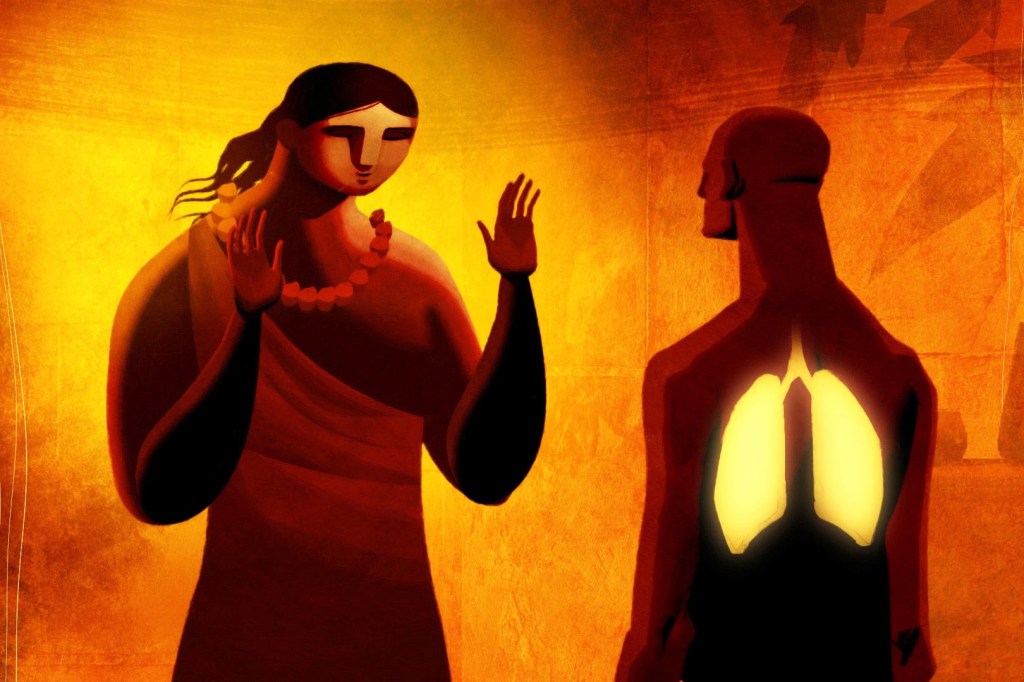
Animation from the exhibit, as shown on its website. The exhibit then went on to show an extensive animated chronology of the stones since the early 20th century. The stones were on the property of a white landowner on Waikiki who had opposed the earlier overthrow of the Hawaiian monarchy. He made special provision in his will for the stones to be protected. However, his will was ignored, and when Waikiki was developed in the lead-up to World War II, a bowling alley was built over them. Of all the things to put on the Waikiki beachfront and on top of a cultural artifact, a bowling alley! Can you imagine?!
In the early 1960s, however, the state of Hawaii claimed eminent domain over the Waikiki beachfront. Thus the bowling alley was torn down, and the stones were rededicated. A cultural artifact was restored, but only in part.
In the rededication ceremony and subsequent commemorative plaques, the fact that the healers were dual spirit was not mentioned. At the time of the rededication, the state was in the throes of a trans panic. Trans women were being accused of seducing men without telling them they were women. A law was passed requiring trans women to wear a button indicating their biological sex. There was a nightclub in Honolulu called the Glade that in particular featured trans women performers. This law applied to the performers as well, and they wore these buttons:
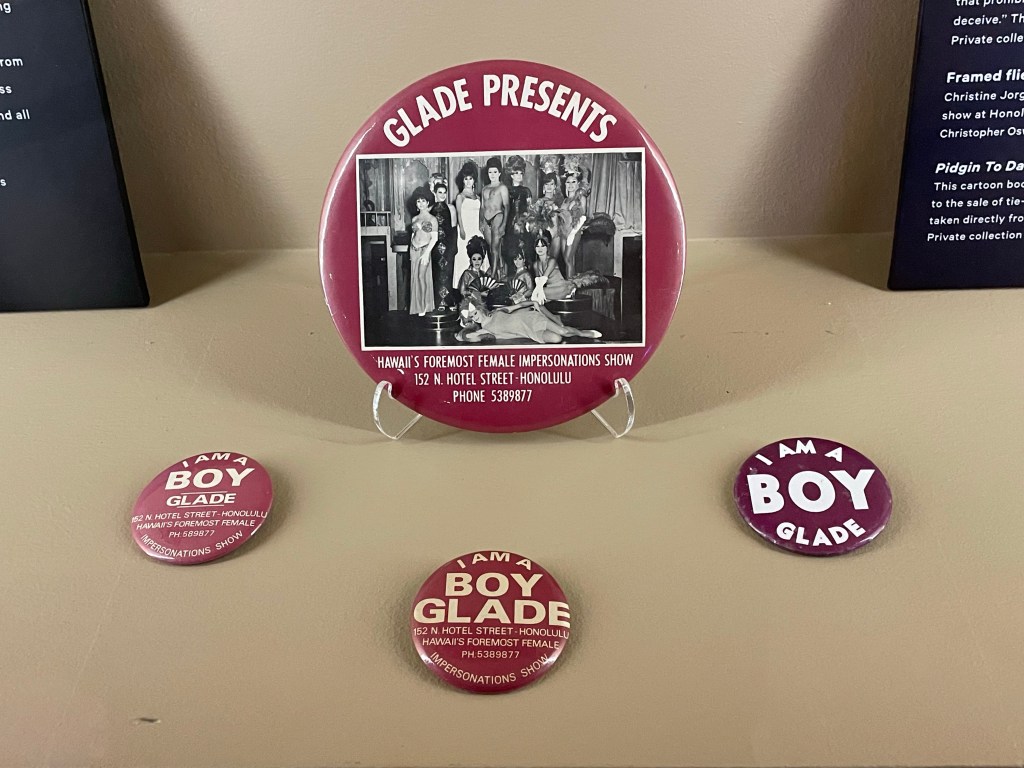
“I am a boy.” The exhibit also highlighted the role of dual-spirit individuals in Polynesian culture and included video testimonials from transgender individuals about their coming out. In so doing, it completed a narrative arc: that erasure of our past and present is a terrible loss for us all, whether it is cultural erasure or queer erasure.
Now imagine how this exhibit affected me, a gay doctor who just attended his first gay wedding. While I’m unlike the mahu in that I’m cisgender, the story is a reminder that my queerness is far more than a sexual orientation but is inherent to how I relate to the world—a gentler, softer approach to life than many men, for instance—and can be a part of my societal role as a healer. And that the simple act of queer visibility, whether it’s a show in a nightclub or a wedding, is essential in creating a world that can be beautiful for all of us, helping queer and non-queer alike realize the specialness each of us brings to the table.
After finishing the exhibit, I had to go pick up my bags from my hotel, which as luck would have it was right next to the Healer Stones. They’re hidden in plain sight—on the beachfront but tucked up next to a police substation and with their commemorative plaques hidden on the ground. When I got there, there were 5 or 6 others looking at the stones, and they had been at the Bishop museum earlier as well.
These are not rocks covered in pigeon poop. The Healer Stones of Kapaemahu are a symbol of the majesty and the wondrous complexity of Hawaii, just as the spectacular mountains, canopy, and waterfalls at the top of Kauai are.
-
Sabbatical day 6: The Napali Coast, and some career advice to a new medical student and maybe to all of you
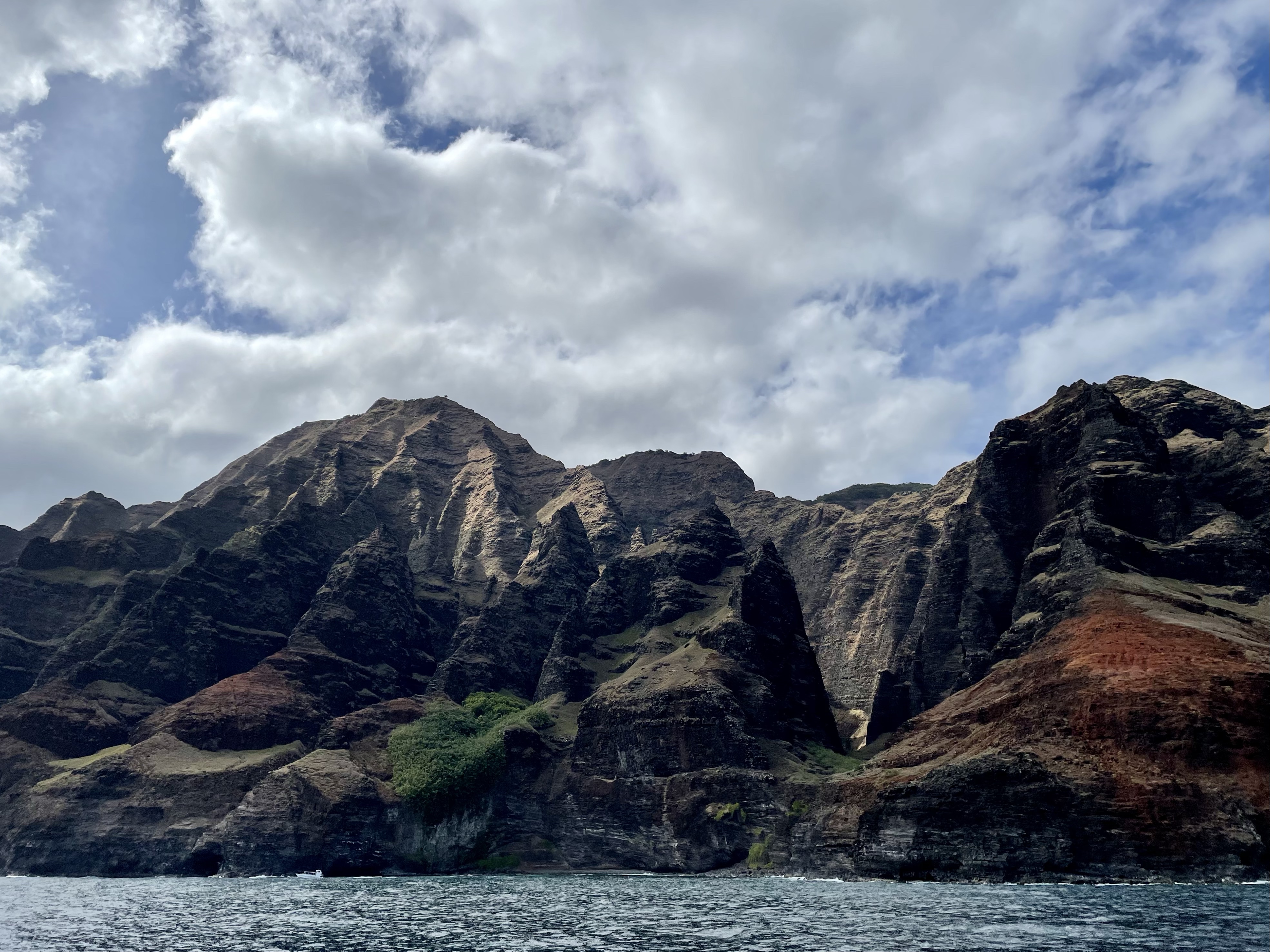
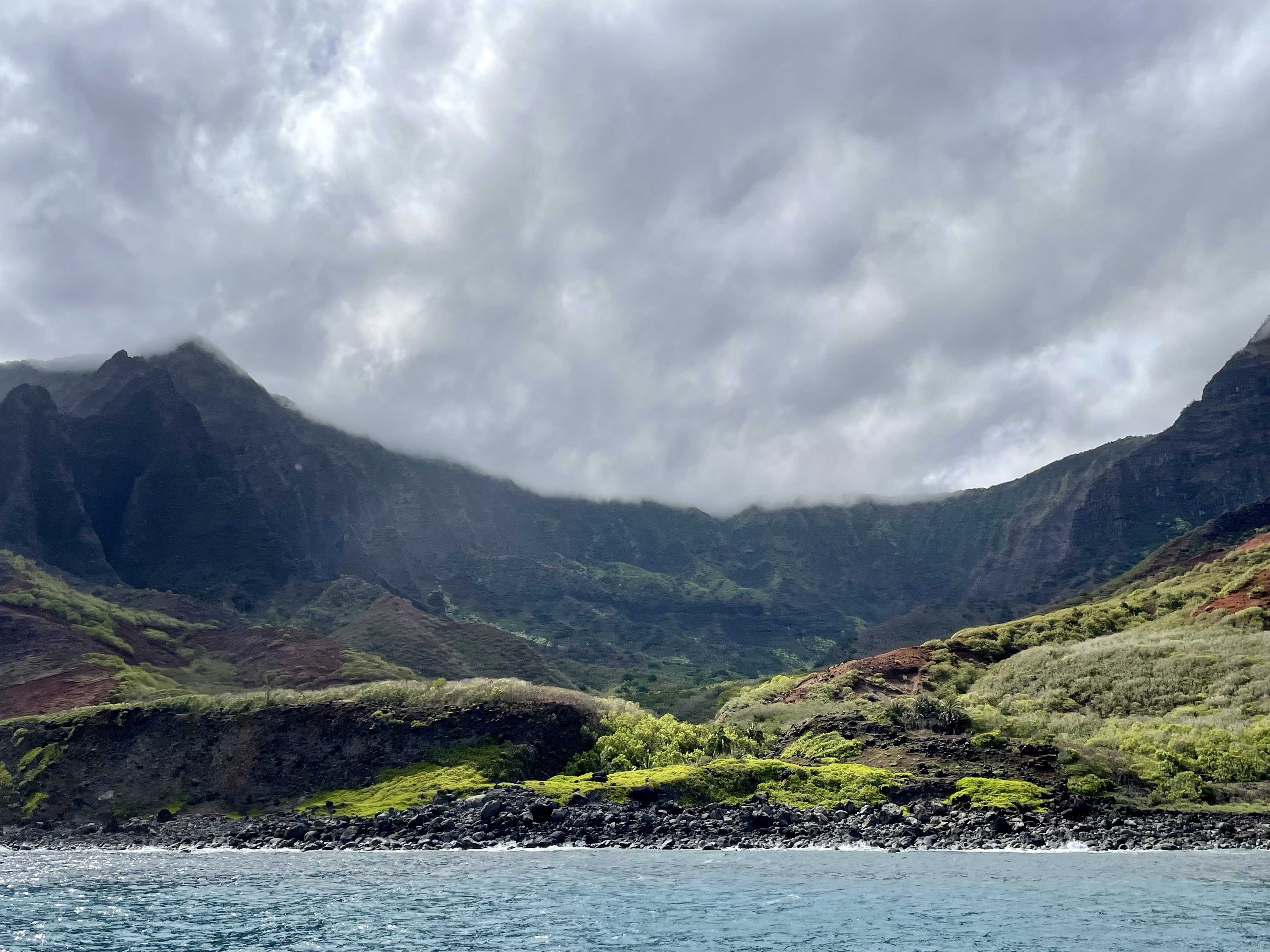
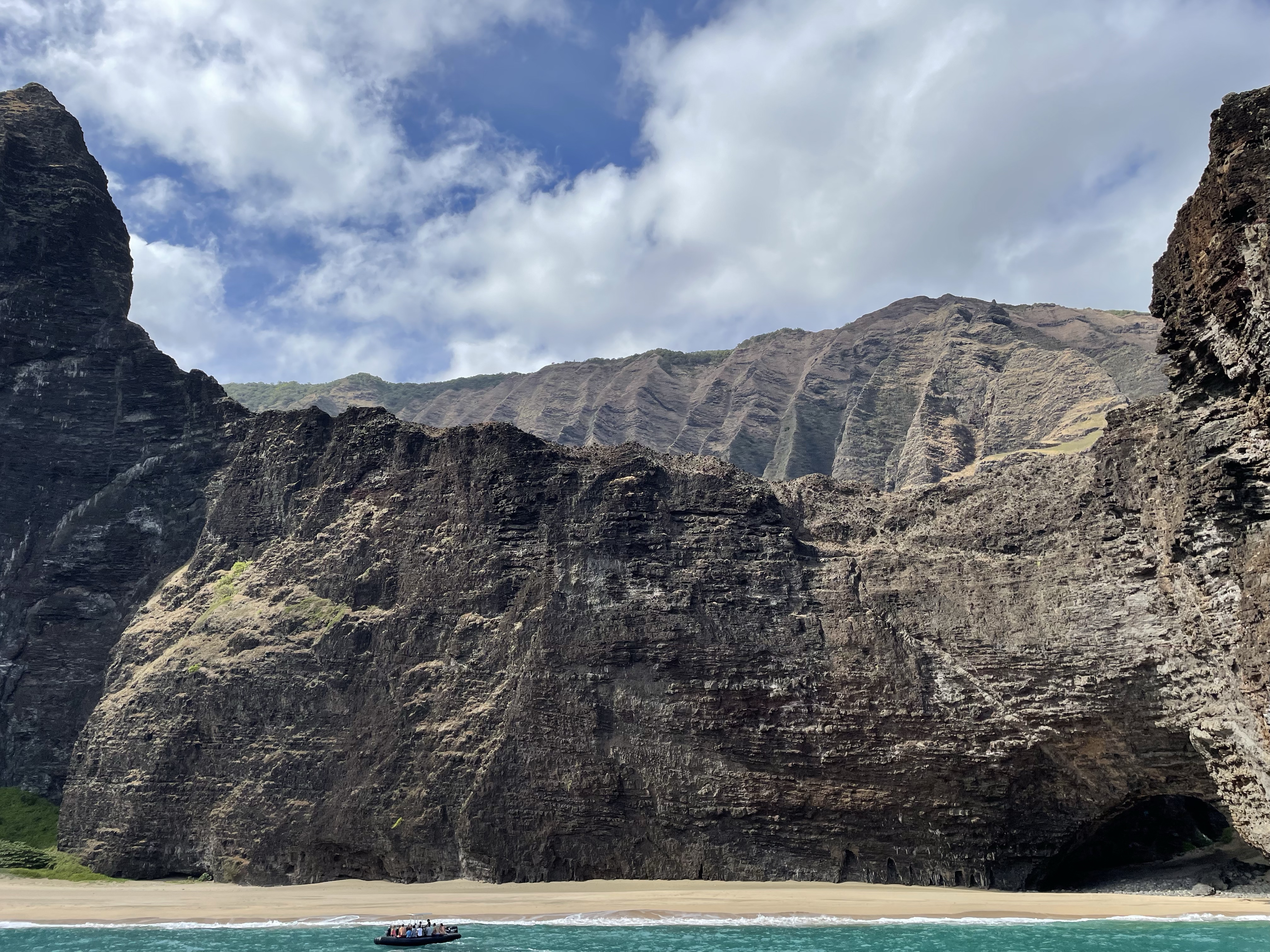
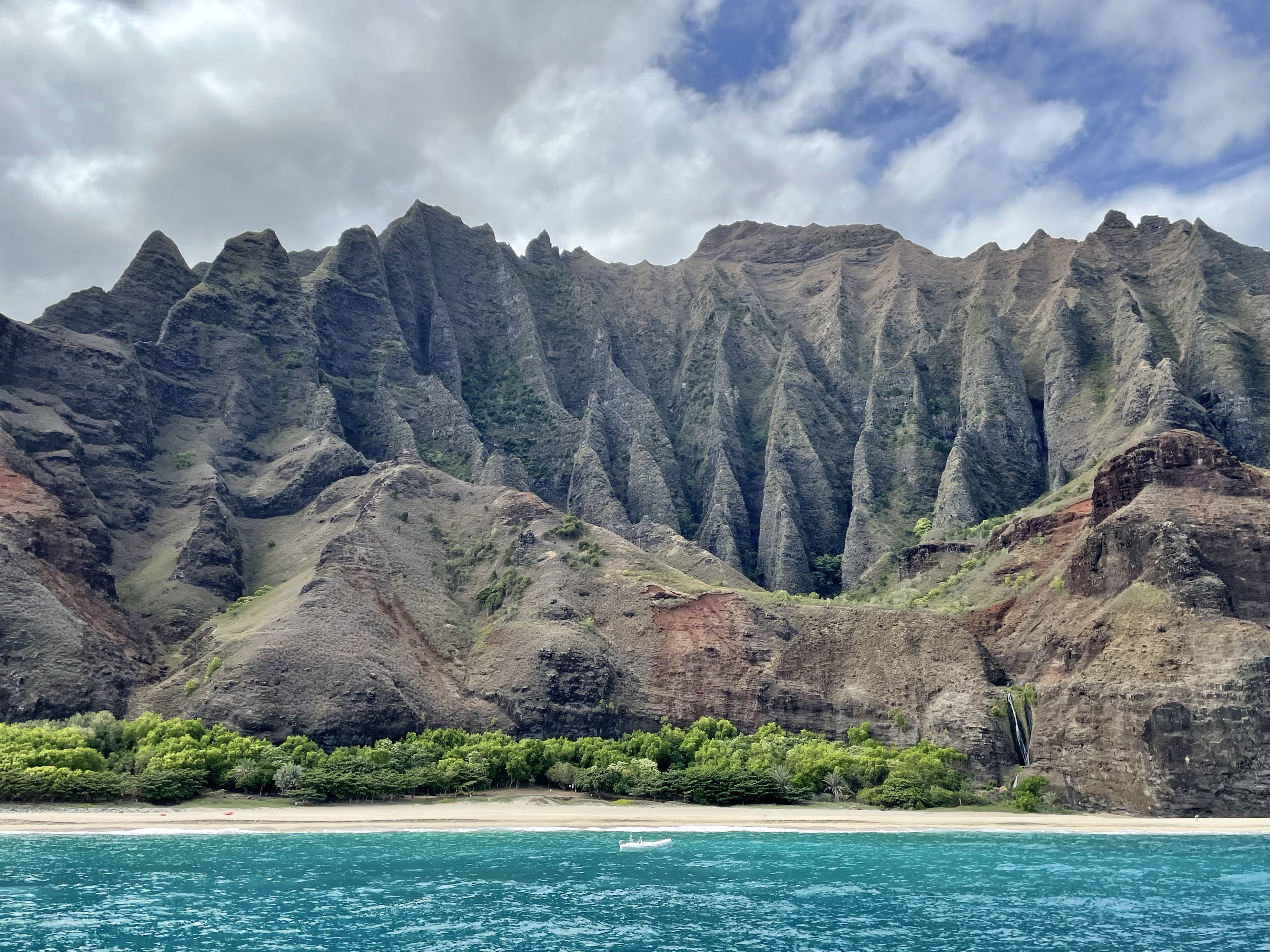
Yesterday I sailed along the Napali Coast, the most spectacular natural wonder of Kauai. No words.

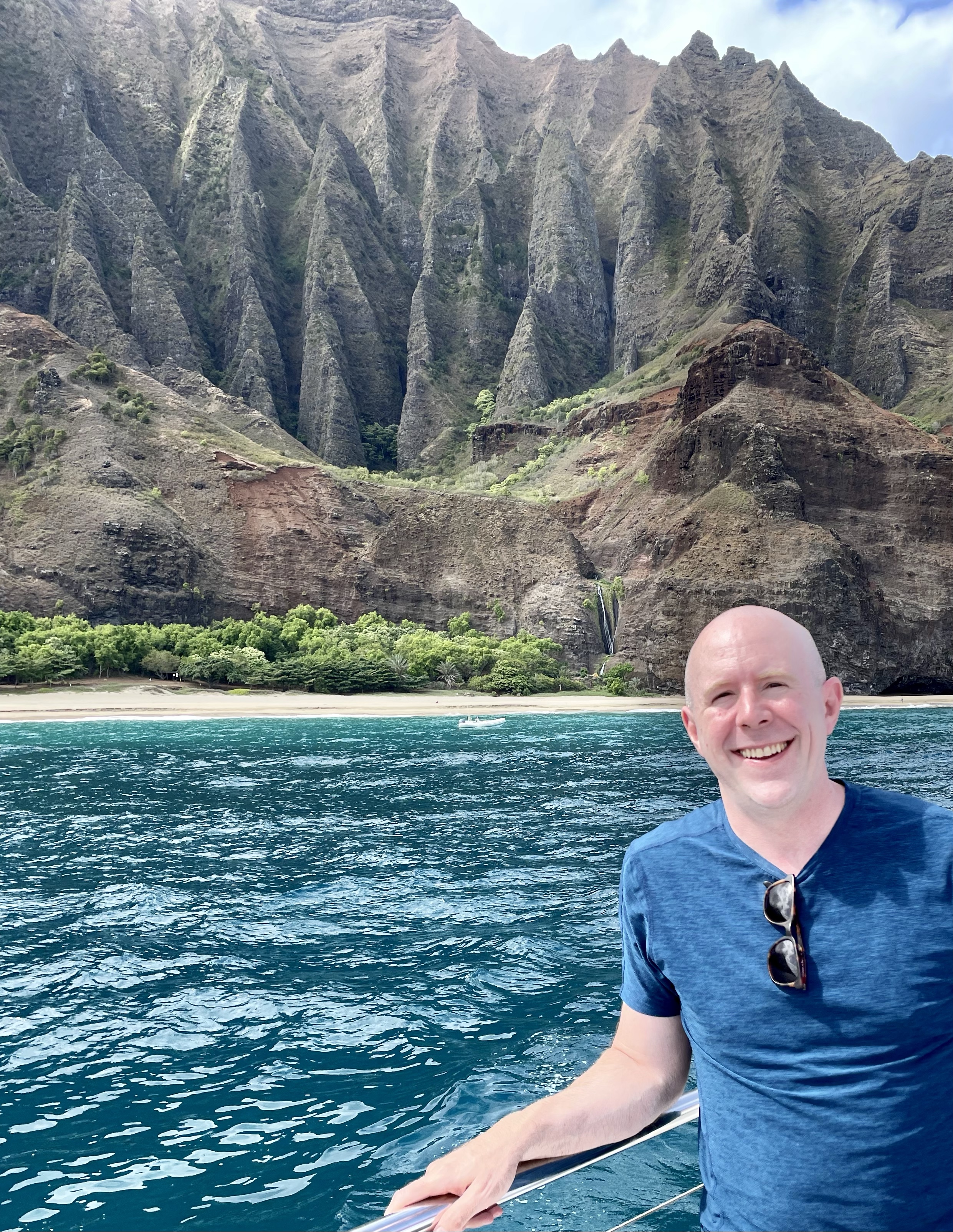
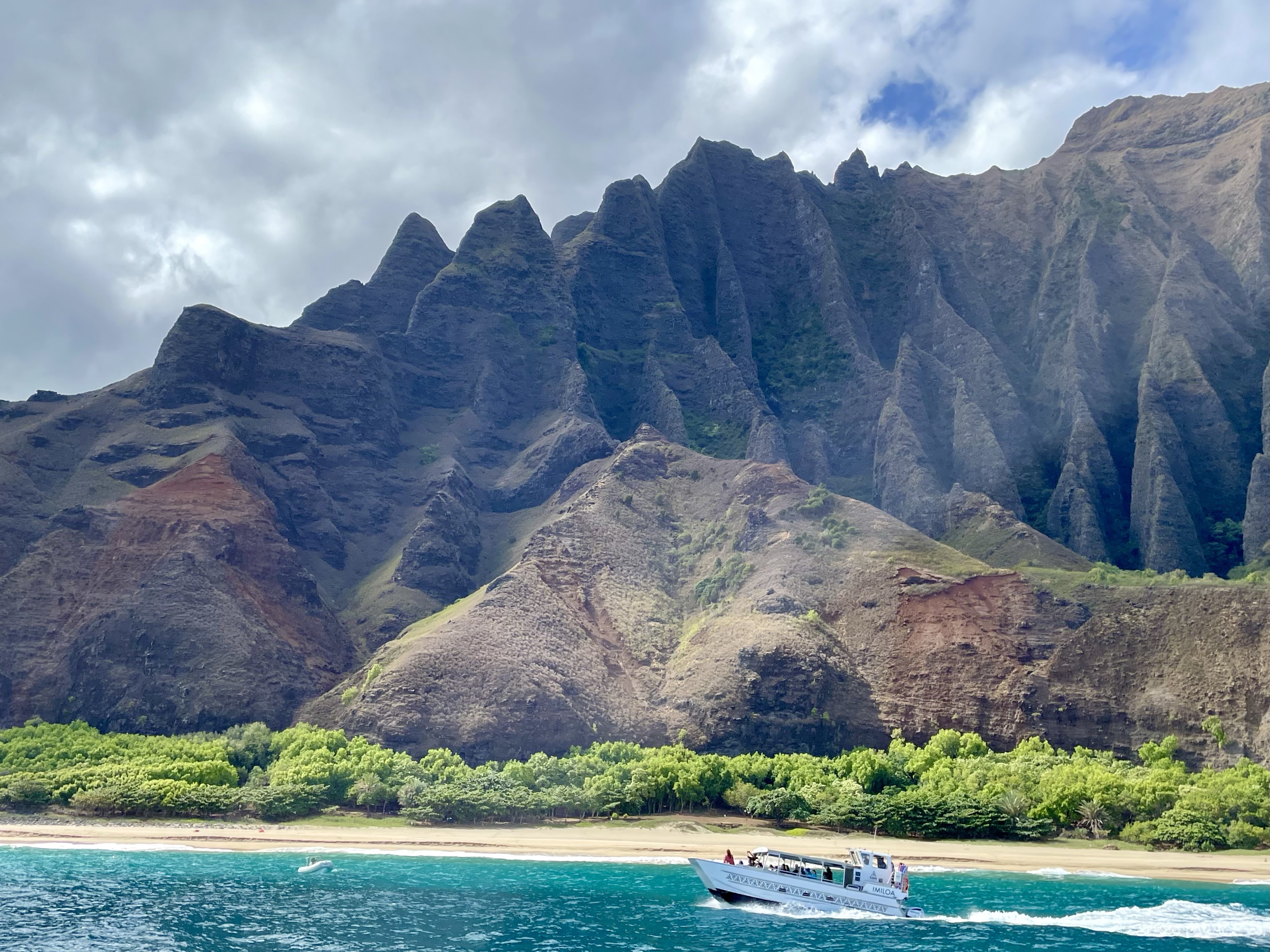
OK some words, but it’s a tangent. While on the boat I met a rising first year med student from SF and his girlfriend. At the end of the trip, he asked me if I had any advice for a new med student. Oh did I…
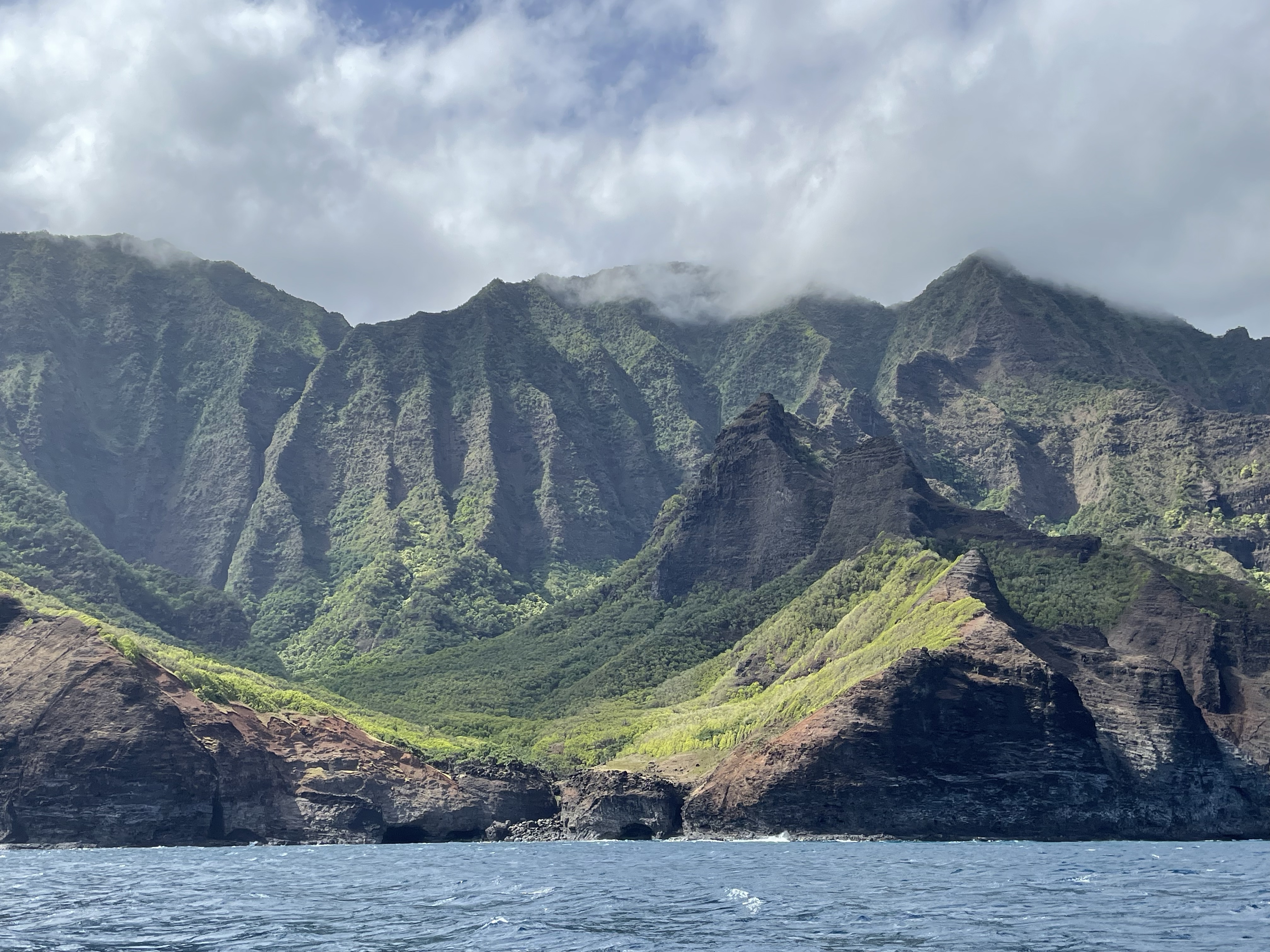

1) When picking a specialty, do what brings you deep satisfaction. Don’t do something just because you’re good at it, or just because your colleagues are pushing you into it. You have to think for the long haul here.
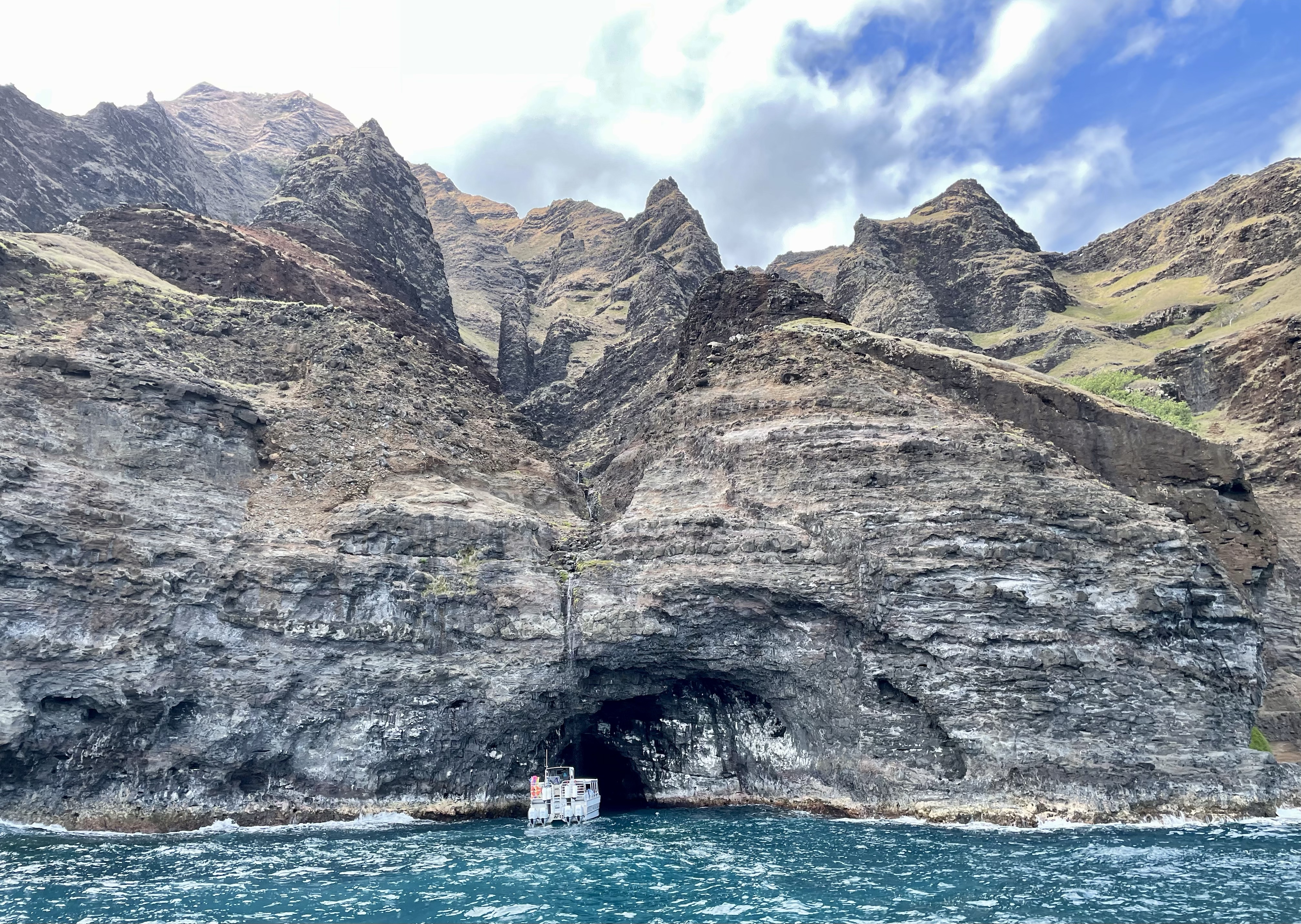
2) Don’t go through med school or your later career with blinders on. As physicians, we are driven to provide high quality care to patients. But the culture of medicine is beset with workaholism and monomania, and judges success on its own terms (i.e. lines you can put on a CV. We’re too pretentious even to call it a resume). How on earth are you supposed to impact the lives of the patients you’re supposed to be healing if you can’t relate to them or if you’re not bringing a fully self-actualized version of yourself to the table? Cultivate relationships and interests outside of your professional life and you’ll have a much richer life—and be better able to connect with your patients. “Hard work” can be part of an ethos of quality, but it is not (as many physicians forget) a virtue or an end in itself.
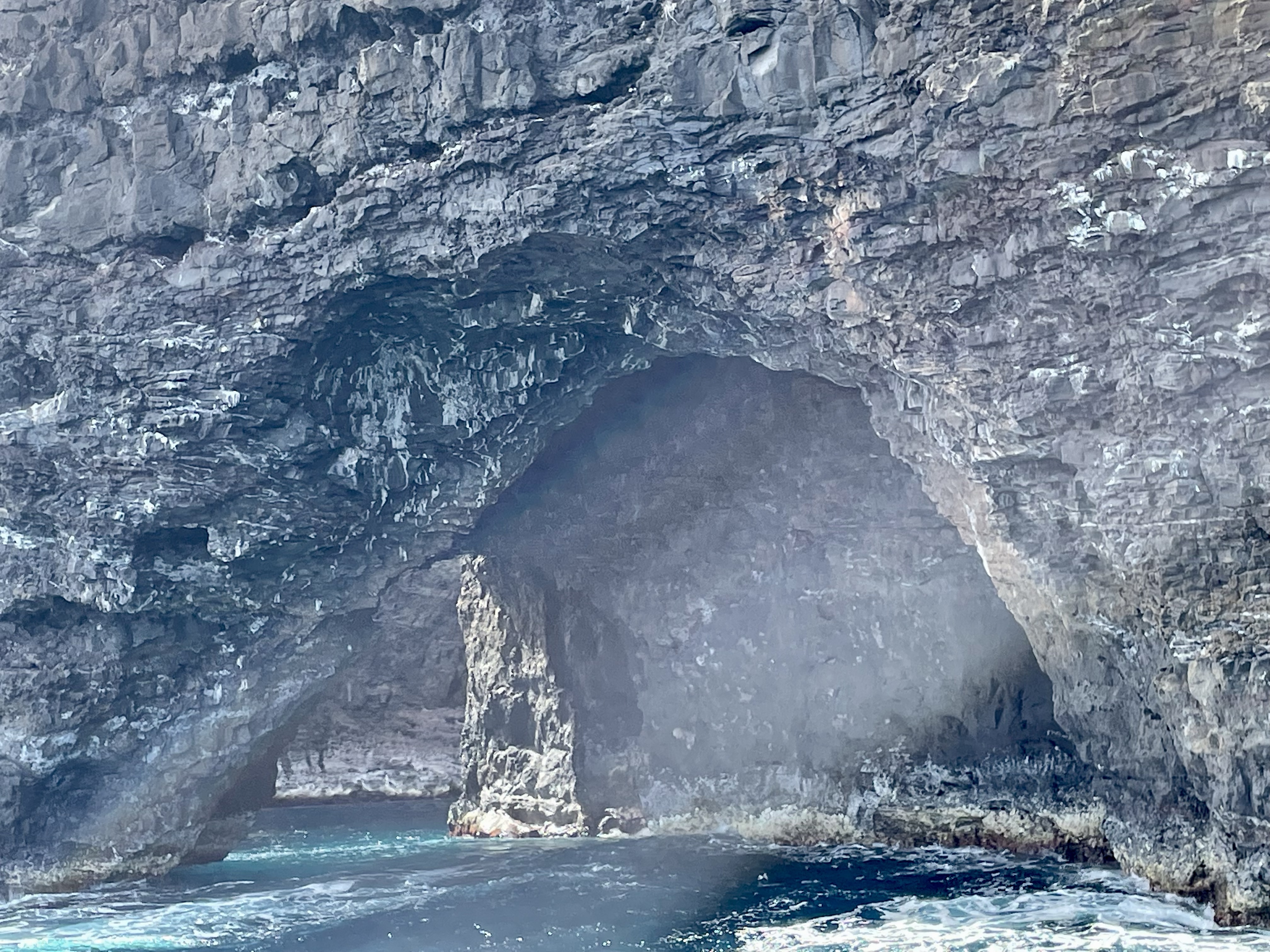
3) Think about how you’re going to play a part in reforming healthcare delivery, even in the early stages of your career. Health care in the US is delivered in an exorbitantly expensive way. Twenty percent of our GDP is spent on health care!!! Compare that with other developed nations who have longer life expectancy for lower cost. If you’re not part of solving problems related to this, big or small, you’re perpetuating an unsustainable, parasitic relationship between our society and our health care system. I regret not focusing on this sooner.
4) Know that you are VALUABLE. This was the best piece of advice I received during my training years, and it came not from a senior physician but an older, wiser med school classmate who had more life experience than me. If you’ve fostered an ethos of quality during your training, then this is absolutely true. This mantra for me has had twofold benefit—it has been a great motivator to action, and it has helped me to be my own advocate when necessary. It’s a bulwark against being belittled or being made to feel like an impostor. To be clear, this advice wasn’t meant in an economic sense, but in certain circumstances even in medicine it can apply in that sense as well. There’s a lot more I have to say on this topic…some other time.
5) Don’t be a hero. I’ve given this advice to new pediatric oncology trainees but it applies to all medical specialties. This statement is, I think, my own take on the serenity prayer as it relates to a medical career. You can’t solve all the world’s problems. You can’t solve all your patient’s problems. But you can make a difference by focusing on what you’re trained to do and asking for help from others when the problems you encounter are beyond your scope or ability. It will save you time and energy, and allow you to move on to the next patient who also needs your care, and frees you up to take care of yourself too.
-
July 5: starting in Hawaii
So I’m visiting two islands I’ve never visited before: Oahu and Kauai. There isn’t much to speak of about Oahu just yet…I spent the 4th of July there with my friends John and Chris who are getting married this weekend. More on that later this week. Let’s get right to nature shall we?
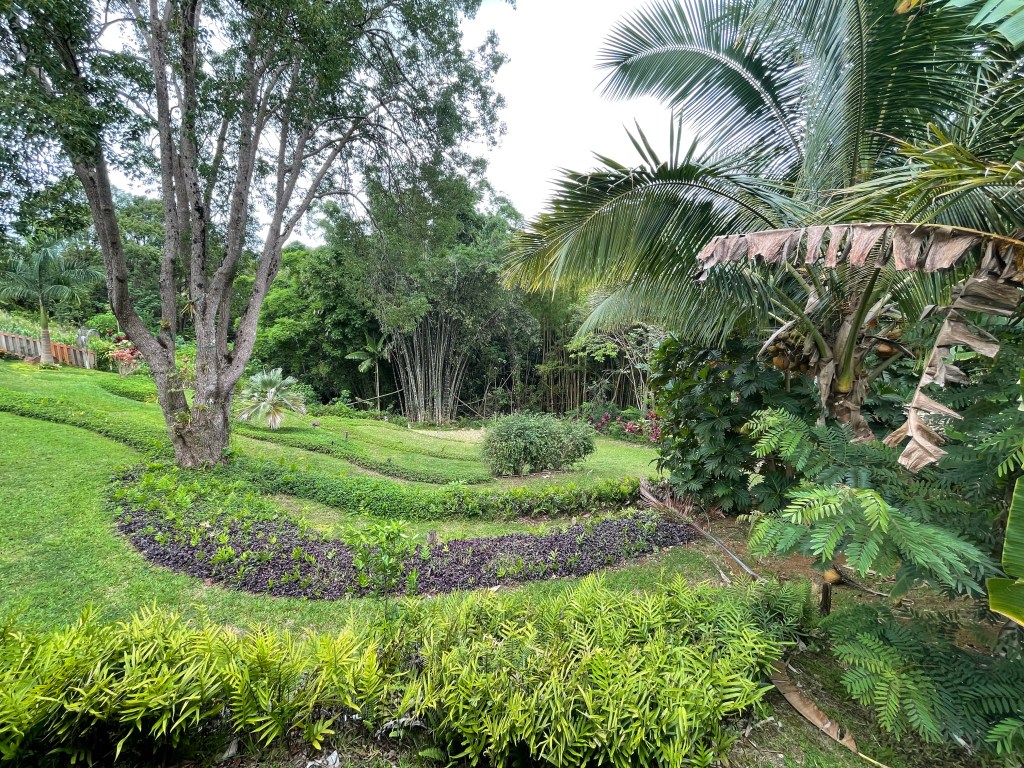
My backyard in Kauai. Note: click on the pic to see it full size!
So I’m staying in an Airbnb in the foothills outside of Kapa’a on Kauai. This is the view from my deck! By Kauai standards, that’s ordinary.
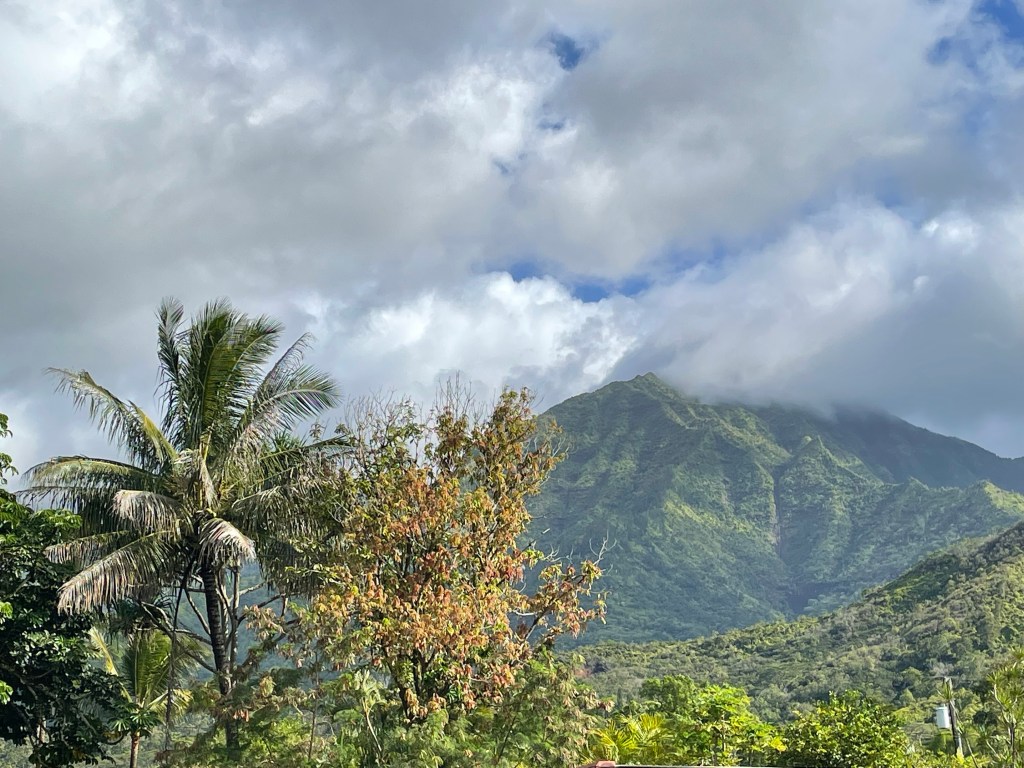
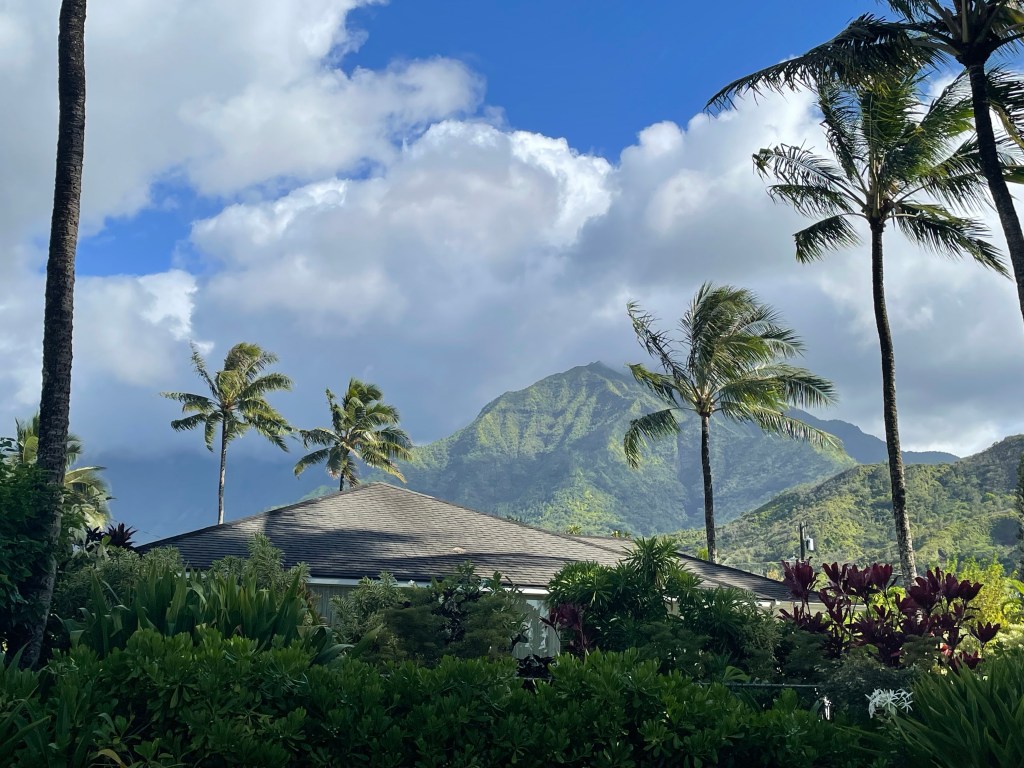
Mountains above Hanalei Bay. Not ordinary. I spent the day driving the north shore, wondering what I would find. I drove the road as far around the island as I could, to the town of Haena. This marks the north edge of the Napali coast, the most famous stretch of shoreline in Kauai, one that can only be accessed by boat.
And when you get there, you’re stunned by the jagged peaks coming out of the earth, not even full mountains but pillars shooting out from nowhere, covered in lushness, overwhelming you with wet greenness.
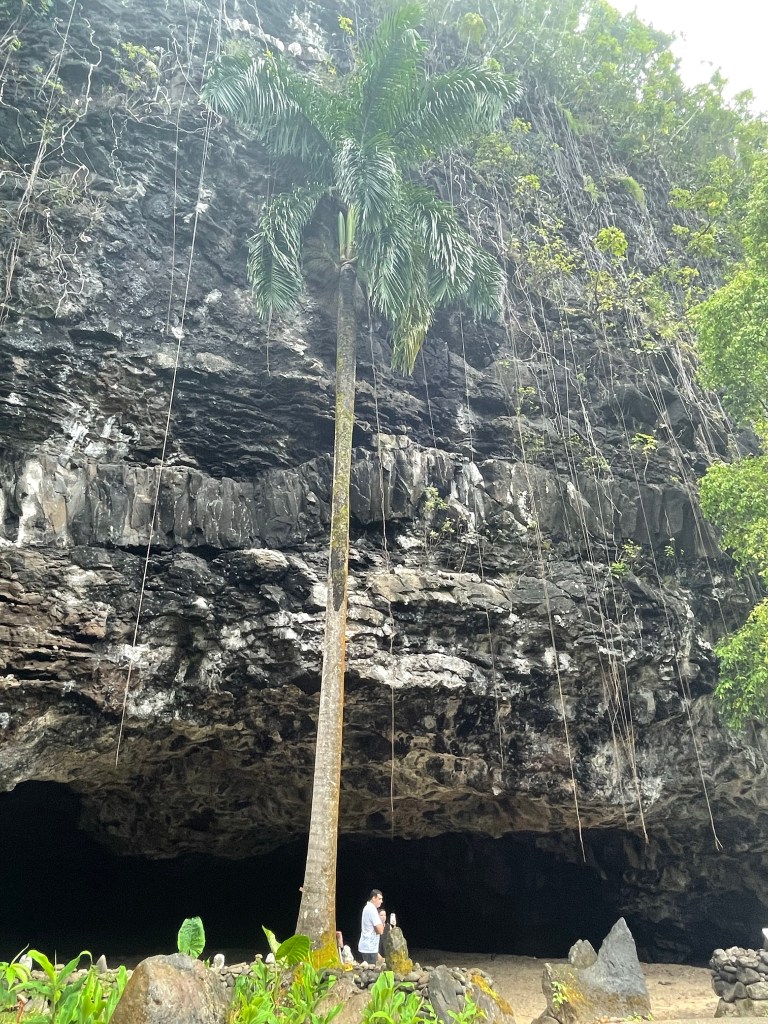
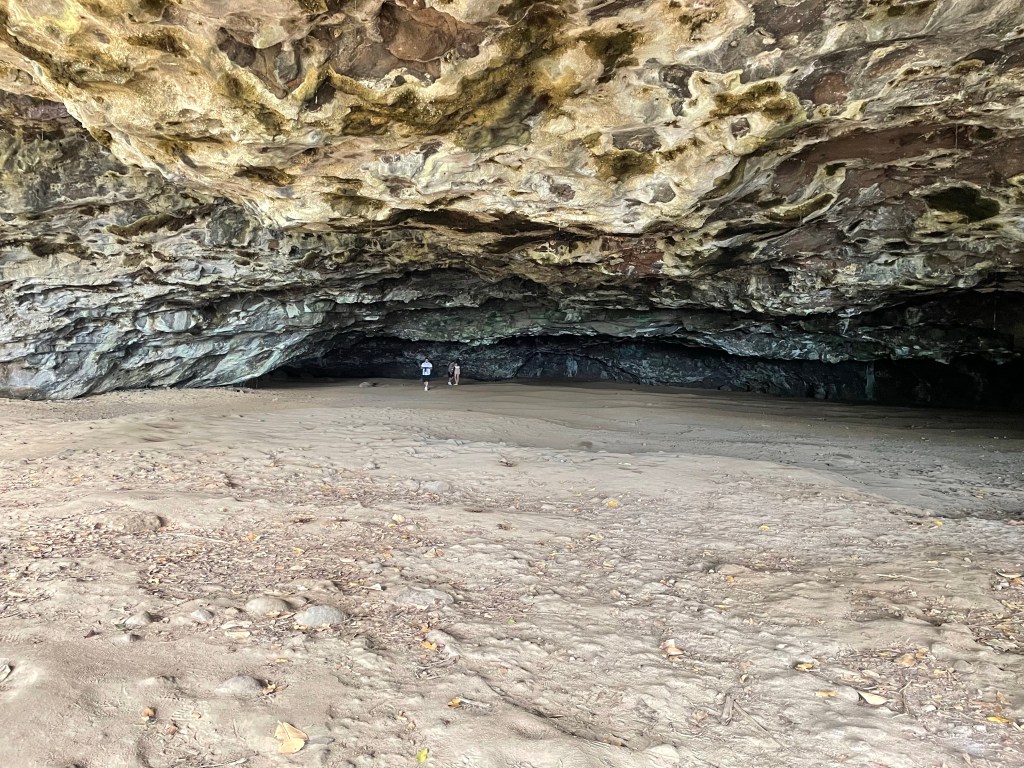
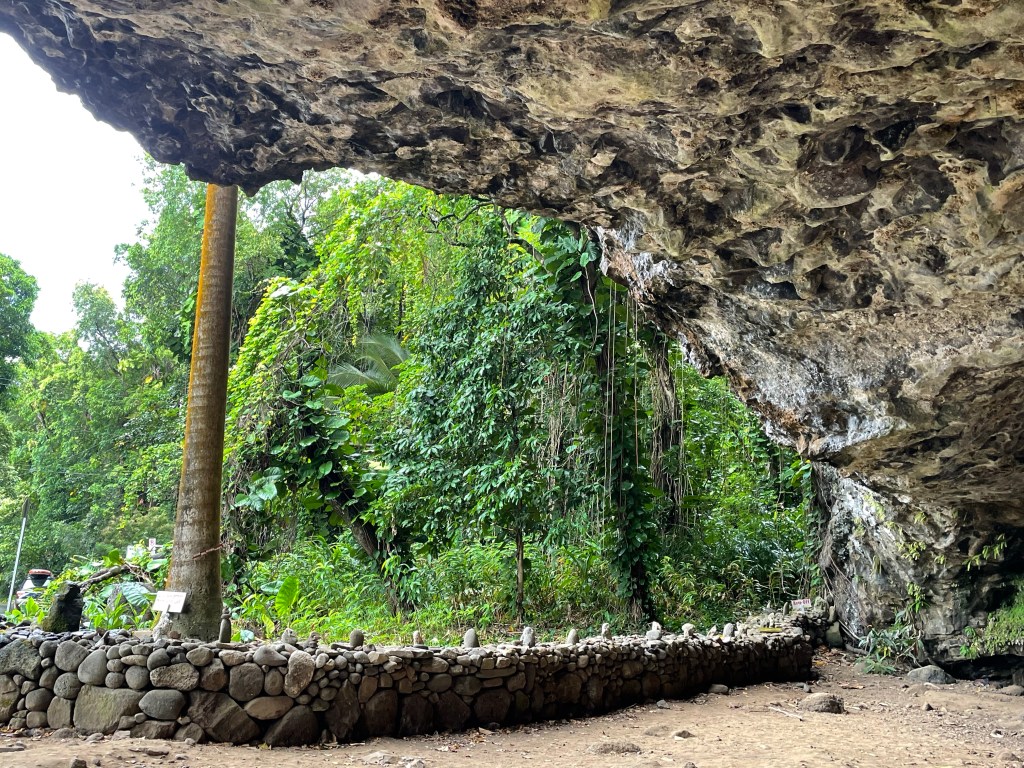
Unexpected find: Maniniholo dry cave Toward the end of the road, I came across an unexpected find: a wide mouthed cave across from Haena beach. This is the Maniniholo dry cave. Hopefully the trees and people give you a sense of scale.
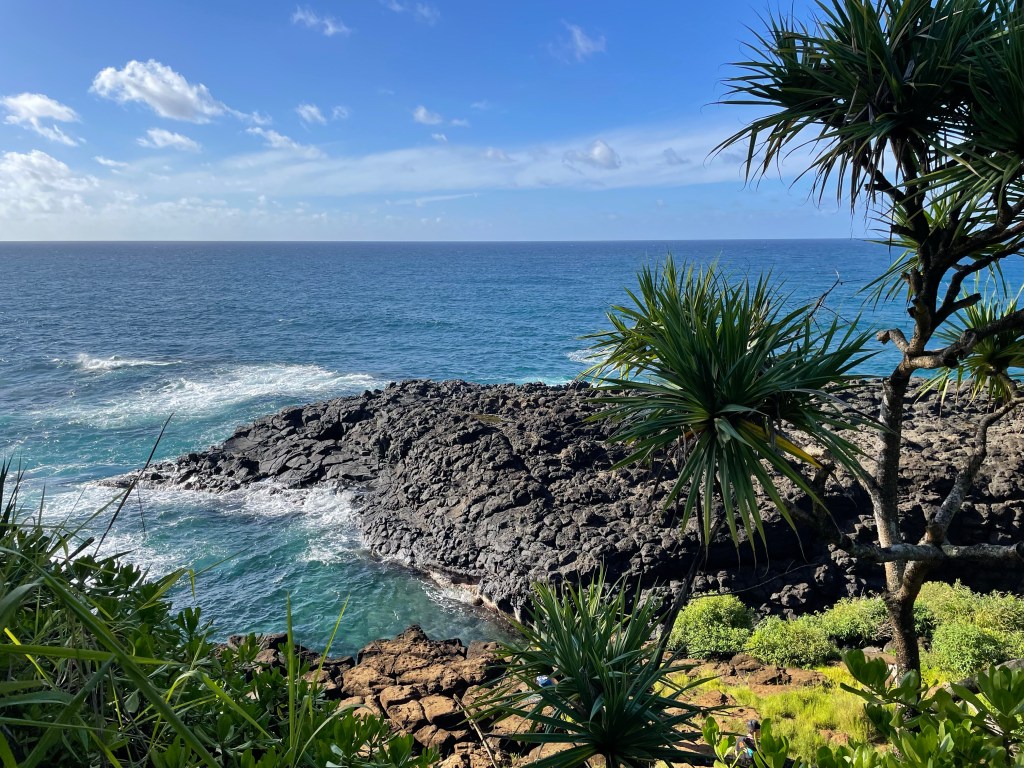

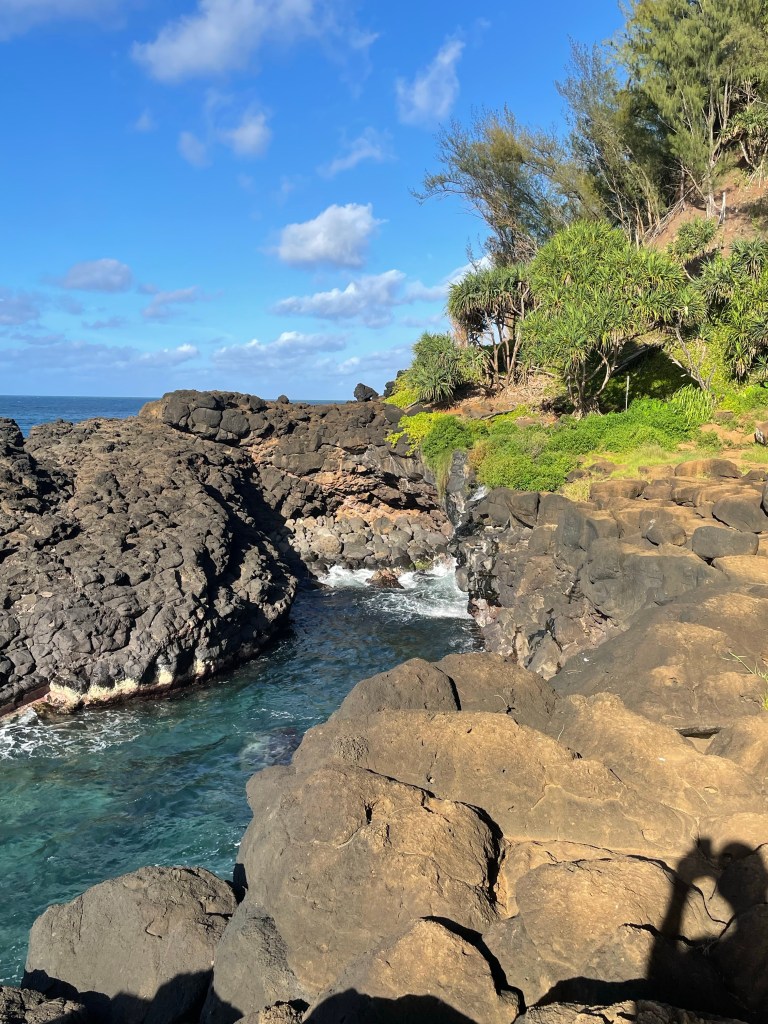
Queen’s Bath trail, Princeville I then drove back to Princeville to hike the Queen’s Bath trail. I didn’t make it to the actual Queen’s Bath, a tide pool fit for swimming, due to footwear issues. OK, I admit I hiked in flip flops. But it was worth it, and I didn’t rebreak my leg in the process.
Then there was this.
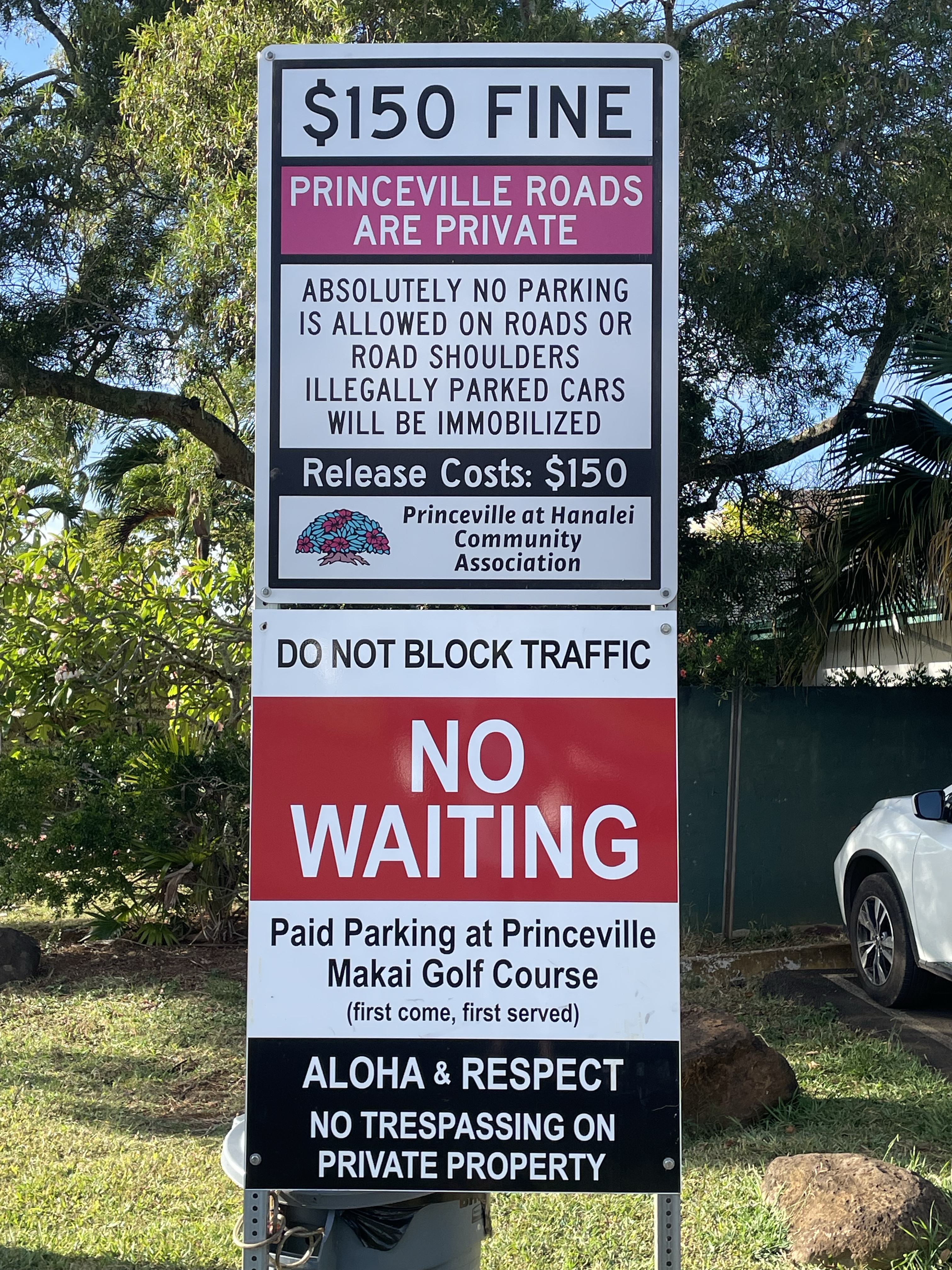
I’ve never seen a sign this aggro. To get to the trailhead for Queen’s Bath, you have to drive through a manicured subdivision and golf community that seems more well suited for central Florida (where such development is a big improvement over scrub pine and swamps) than remote, rugged, mystical Kauai. The town, Princeville, aggressively polices people who do not park in the limited trailhead parking spaces. Have you ever seen a sign this obnoxious? That then has the gall to say “aloha and respect” at the end? I mean, there’s NIMBYism, and then there’s this story from The NY Times a couple of weeks ago about an anti housing advocate in Marin, but this takes the cake for radical exclusion.
Then I happened to notice the airport code for Princeville. HPV. I chuckled. So deserved. The wart of Hawaii.
There’s a play on words on “geniality” here, ya know.
-
Hello friends!
Hi everyone! For those of you who don’t know me, well, this is me.

Me in 2019 in Mykonos. I look essentially the same now, I suppose. I use this pic way too much because I don’t like most pics of myself. I get that from my mom. I started this blog to tell stories about and show pictures from my upcoming sabbatical from work, but I wonder if it will morph into something much more. The world seems TOO MUCH at the moment, has seemed that way for a while, for me to just tell you about my day.
Anyway, here’s the basics of what you need to know about me.
- I am a doctor. I am a pediatric hematologist/oncologist. That means I specialize in the care of children with blood disorders and cancer. I am no longer in full time medical practice, however. I currently work for a pharmaceutical company providing medical oversight of clinical trials for new cancer medicines.
- I am single. Which is why I’m not talking about my spouse and kids in the first bullet point. I would like to be in a relationship. In truth, I’d like to find my husband, that special someone who is in my life through thick and thin. But I live in San Francisco, and especially here, gay relationships are like laws and sausages—you don’t want to know how they’re made.
- I’m in my mid-40s. And since I’m taking a 2-month sabbatical from work, I like to think of this as my “halftime” in life. If my life was a football game, I’d say I was currently down 4 points after having been up double digits early, and down a lot more at other times too. But my therapist says I don’t have to look at my life in terms of success and failure, so I’ll practice that advice and not keep you updated on the score going forward.
- I didn’t come out of the closet until I was 35. When I came out, I thought that I was still the same me. But more than anything in the last decade, being gay has forced me to challenge my own assumptions about love, sex, religion, politics, all the subjects you shouldn’t discuss at Thanksgiving dinner, and maybe even some subjects you CAN discuss then. I can’t say I’m the same me anymore. You’ll get some reflections from me on all these things eventually.
- I like to sing. I am a member of the Golden Gate Men’s Chorus. You can check us out on streaming services.
- I love the outdoors. I love skiing (learned while living in Colorado) and hiking, and recently got back into backpacking. Somehow this Eurotrip won’t involve a lot of that however.
- I might live in San Francisco, but I’m Southern by birth and upbringing. Well, Southern-ish. My mom is from Birmingham, Alabama but my dad is from Springfield, Illinois, that is, the Land of Lincoln. So I had the freedom to come to my own conclusion as a child: “I’m glad the North won.” Quoting my 8 year old self here. That’s a STORY we’ll tell later. Also a STORY involving Lincoln is the rhyme my dad used to tell me: ”Lincoln, Lincoln, I’ve been thinkin’, whatcha been drinkin’, Lincoln? It’s not whiskey, it’s not wine…oh my God it’s TURPENTINE!” I’m pretty sure I learned that at 6. Maybe I should stop with the family stories.
- My sports teams collectively are having the best year of my life. My beloved NATIONAL CHAMPION GEORGIA BULLDOGS HOW BOUT THEM DAWGS are, well, THAT for the first time in my conscious memory. Check out the compilation video of Georgia fans celebrating the game winning interception on YouTube if you want an approximation of how I reacted. My adopted NBA team, the Golden State Warriors, just won their fourth title and THE WINNING AND DRAYMOND’S MOUTH DO NOT GET OLD. And my childhood baseball team, the Atlanta Braves, won the World Series last fall, but they don’t get all caps on account of their outdated nickname. (Hmmm. This needs a footnote about whether it’s enough to sanitize the name by getting rid of Native American imagery, a la…the Warriors. But I digress. Get used to it.)
- On Twitter I follow pediatricians, gay doctors, liberal college football bloggers (that’s a WHOLE SUBCULTURE good enough to merit all caps), the occasional gay icon, Pope Francis, MSNBC hosts, YIMBYs, a FEW Democrats, and of course DRAYMOND GREEN. That should tell you about my world view.
So yeah, I’ll be going on my ”halftime” trip, and I’ll provide you with stories along the way. I’ll be headed to Hawaii, Portugal, Croatia, northern Italy, Berlin, and Iceland. I might throw some time in Slovenia and Austria in there as well.
OK I better get back to laundry.
XOXO, Steve
-
Subscribe
Subscribed
Already have a WordPress.com account? Log in now.
 Steve Simko